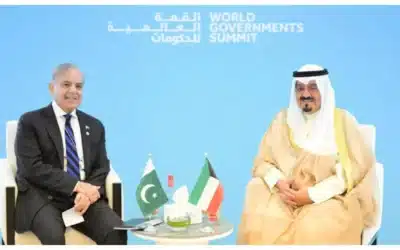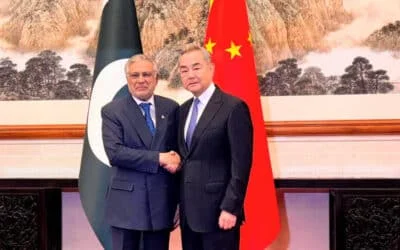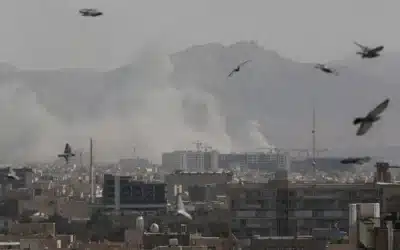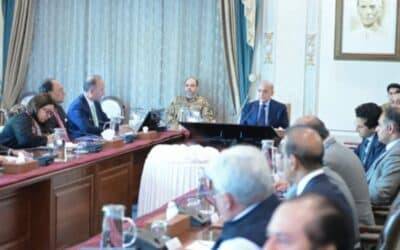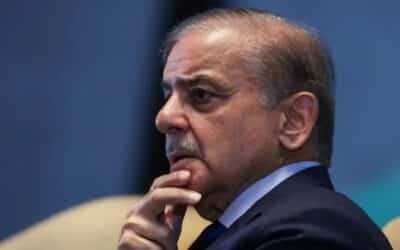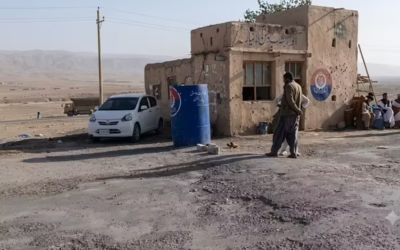


With tensions escalating between the United States and Iran, Pakistan has stepped up its diplomatic efforts to prevent a breakdown in the fragile ceasefire. Interior Minister Mohsin Naqvi made a second trip to Tehran in a week, carrying a “crucial message” aimed at revitalizing negotiations.
Key Developments
- Pakistani Mediation: Pakistan is actively relaying messages between Tehran and Washington, seeking to bridge differences on nuclear issues, sanctions, regional security, and the Strait of Hormuz.
Pakistan’s Interior Minister Syed Mohsin Naqvi makes his second visit to Tehran within the past ten days and holds talks with Iran’s Interior Minister Eskandar Momeni. pic.twitter.com/2KdgzCmzMY
— PressTV Extra (@PresstvExtra) May 20, 2026
-
- US Threats: President Trump warned that talks are in the “final stages” and threatened renewed military action if a deal is not reached quickly.
- Iranian Response: Iran cautioned that any confrontation would extend beyond the Middle East, while also signaling that diplomatic avenues remain open.
- Gulf Support: Saudi Arabia expressed support for Pakistan’s mediation efforts, with Foreign Minister Faisal bin Farhan Al Saud praising Trump for giving diplomacy a chance.
The Kingdom of Saudi Arabia highly appreciates the US President Donald Trump’s decision to give diplomacy a chance to reach an acceptable agreement to end the war, restore the security and freedom of maritime navigation in the Strait of Hormuz to its state prior to February 28th,…
— فيصل بن فرحان (@FaisalbinFarhan) May 20, 2026
- Turkish Involvement: President Erdogan told President Trump he welcomed the extension of a ceasefire, adding he believed contested issues between the sides could be resolved.
Analysis
Pakistan’s intensified involvement underscores the region’s deep concern over a potential escalation. The urgency of Minister Naqvi’s repeated visits to Tehran suggests that the situation is highly precarious. While Pakistan is attempting to act as a neutral broker, the article notes that Iran views Pakistan through the lens of its close ties with Gulf Arab states and Washington, while Islamabad is wary of Iran’s growing engagement with India. These underlying tensions complicate the mediation efforts.
President Trump’s hawkish rhetoric adds further pressure. His assertion that the US is “ready to go” and resume military operations contrasts with the more cautious approach expressed by Saudi Arabia and Turkey. The Iranian response, warning of a wider conflict, reflects the high stakes involved.
Critical Points
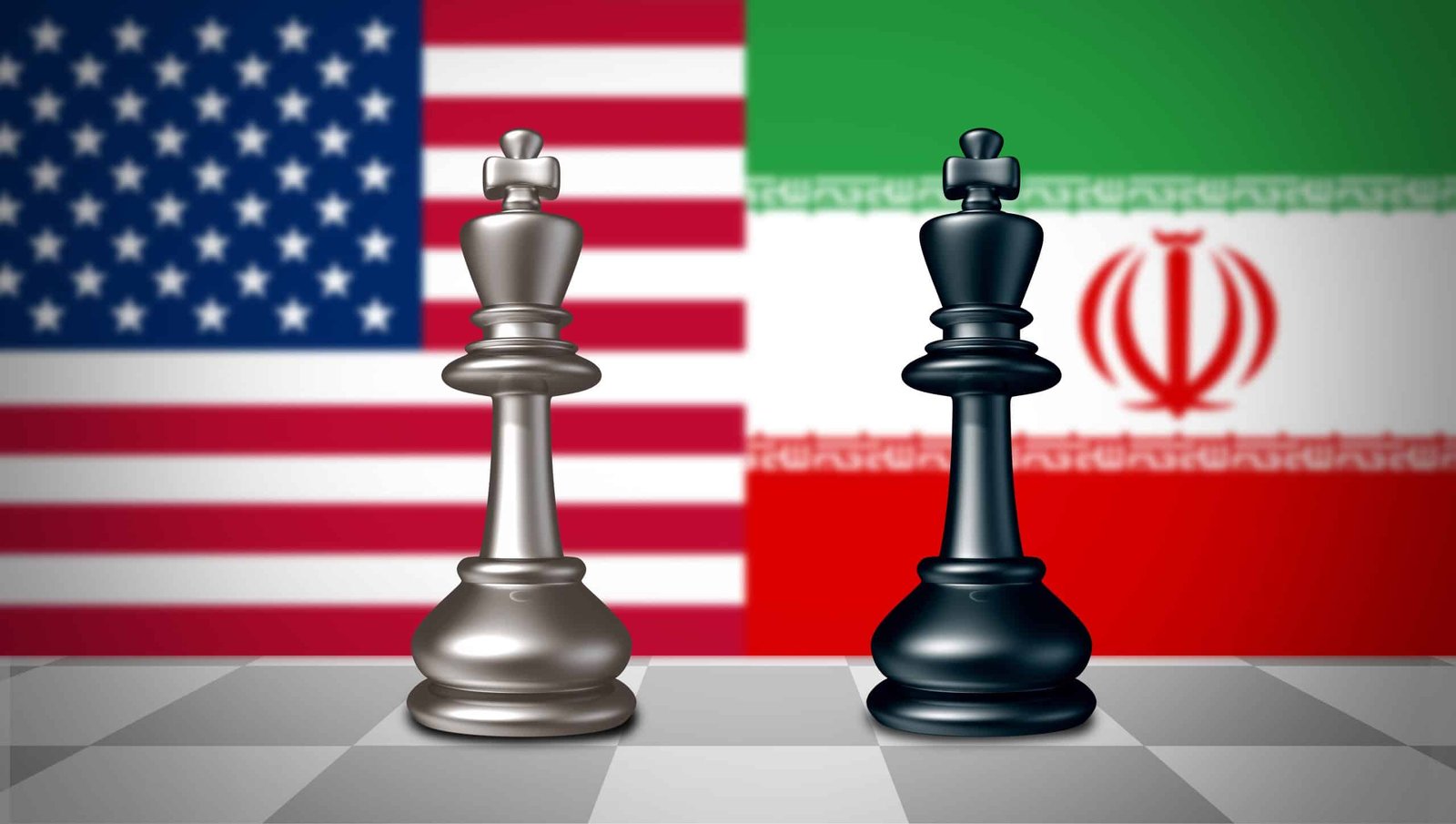
- Sticking Points: The core disagreements between the US and Iran – particularly regarding nuclear program limitations, sanctions relief, and regional security concerns – remain significant obstacles.
- Trust Deficit: Deep-seated distrust between the US and Iran continues to undermine negotiations, with both sides publicly questioning the other’s intentions.
- Regional Implications: A collapse of the ceasefire could trigger a wider regional conflict, with potentially devastating consequences for global energy markets and international security.
Looking Ahead
The success of Pakistan’s mediation efforts hinges on its ability to bridge the trust gap between the US and Iran and find common ground on the key points of contention. The coming days will be critical in determining whether diplomacy can prevail or whether the region is headed towards renewed conflict. The potential visit of Chief of Defence Forces Field Marshal Asim Munir to Iran may indicate that more powerful actors see the situation as requiring maximum effort to resolve.