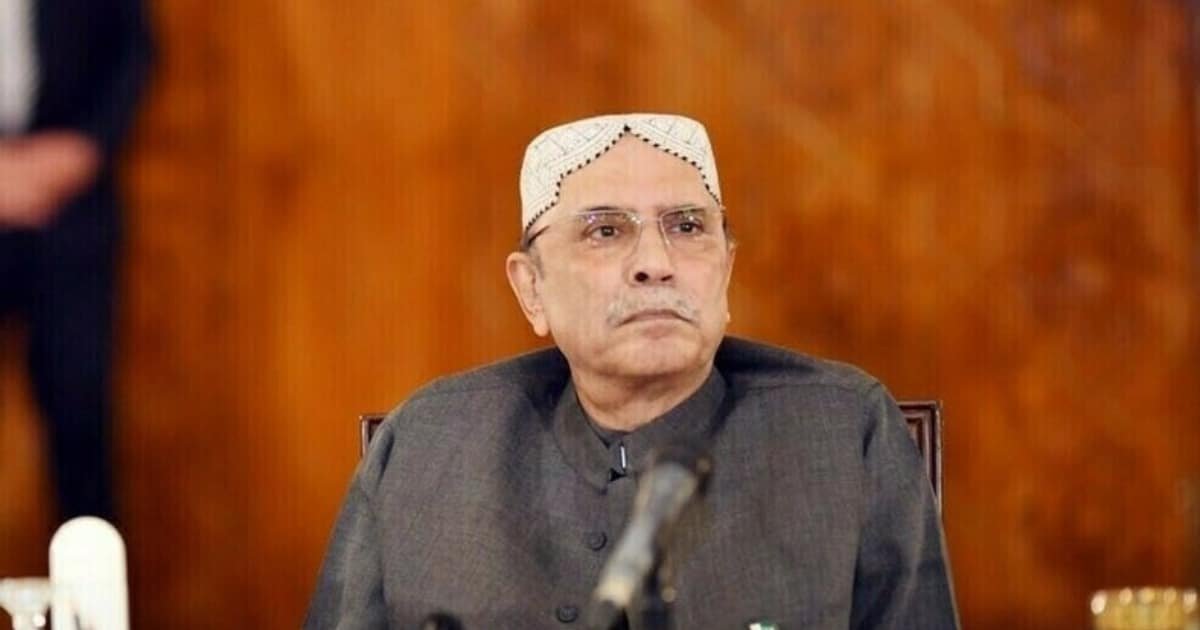





On the occasion of the 40th anniversary of the SAARC Charter Day, President Asif Ali Zardari and Prime Minister Muhammad Shehbaz Sharif issued separate messages reaffirming Pakistan’s commitment to the principles and objectives enshrined in the SAARC Charter. Both leaders underscored the necessity of a cooperative and inclusive regional approach to unlock South Asia’s vast potential.
President Zardari Emphasizes Regional Linkages
President Asif Ali Zardari highlighted Pakistan’s strategic geographical location and expressed the country’s readiness to enhance regional cooperation:
“Pakistan is ready to work with all willing states in South Asia to promote trade, transit, energy linkages and people-to-people relations that benefit the entire region.”
The President stressed that Pakistan remains committed to a cooperative, inclusive, and forward-looking regional order, noting that its geography places the country at the meeting point of South Asia, Central Asia, and the Middle East. He encouraged South Asian nations to approach the future with clarity and sincerity, asserting that shared challenges require shared solutions built on mutual respect and practical cooperation.
President @AAliZardari and PM @CMShehbaz have expressed Pakistan’s firm commitment to objectives of South Asian Association Regional Cooperation@PresOfPakistan @PakPMO @ForeignOfficePk @SaarcSec #RadioPakistan #News https://t.co/UmyQbFCmA2 pic.twitter.com/1dgMGKQlUG
— Radio Pakistan (@RadioPakistan) December 8, 2025
Prime Minister Shehbaz Sharif Calls for Enhanced Connectivity
In his message, Prime Minister Shehbaz Sharif reaffirmed Pakistan’s firm commitment to the SAARC Charter, stating that genuine cooperation, guided by sovereign equality and constructive engagement, is the key to ensuring a better tomorrow for all of South Asia.
Message of the Prime Minister Muhammad Shehbaz Sharif on the 40th Anniversary of SAARC Charter Day
“This auspicious occasion reminds us of our shared aspirations for peace, progress, and prosperity across the region of South Asia.When SAARC was established over four decades ago,… pic.twitter.com/bTw5rqYims
— Government of Pakistan (@GovtofPakistan) December 8, 2025
The Prime Minister emphasized the critical role of connectivity in the modern era:
“In an era of growing regional cooperation, the necessity of economic, digital, and people-to-people connectivity in South Asia could hardly be over emphasised. Together, we must work to enhance linkages that facilitate trade, investment, innovation, and cultural exchange in our region.”
He also drew attention to common challenges faced by the region, such as poverty, climate-induced natural disasters, food and energy insecurity, and public health issues, urging that these challenges transcend borders and necessitate collective, mutual responses to build a resilient and inclusive future.