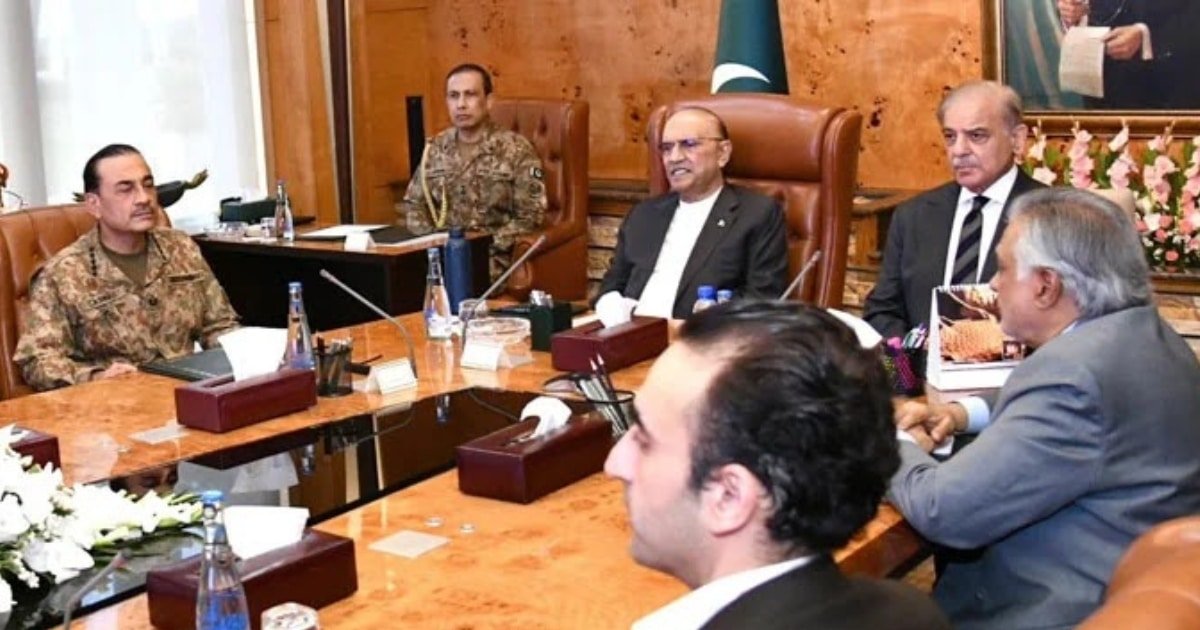





President Asif Ali Zardari chaired a critical, high-level consultative meeting on Thursday at the Aiwan-i-Sadr, bringing together the country’s top civilian and military leadership to address the “emerging regional challenges” posed by the ongoing US-Israel-Iran conflict.
In a rare unified huddle, Prime Minister Shehbaz Sharif and Chief of Defence Forces/COAS Field Marshal Asim Munir joined senior cabinet members to harmonize Pakistan’s security posture with a deteriorating economic and energy outlook.
President Zardari chaired a high-level meeting with PM @CMShehbaz, Field Marshal Asim Munir and senior ministers to review economic, energy and regional situation amid oil and gas supply concerns, focusing on coordination, austerity, fuel conservation and public relief. pic.twitter.com/RjcuNrZ9gK
— The President of Pakistan (@PresOfPakistan) March 26, 2026
A Unified National Response
The meeting’s primary objective was to establish a national consensus on navigating the ripple effects of Operation Epic Fury.
-
Institutional Coordination: The leadership agreed that economic management, energy planning, and food security must be “closely aligned” with broader security considerations to maintain domestic stability.
-
Prioritizing Stability: President Zardari emphasized that all policy decisions must prioritize national stability while safeguarding the public from the direct fallout of the regional war.
Energy Crisis and “Fuel Austerity”
With the Strait of Hormuz facing prolonged disruptions, the meeting focused heavily on mitigating the “Petrol Shock” that has seen prices rise by as much as Rs 55 per litre this month.
-
Managing Inflation: The Finance and Petroleum Ministers briefed the huddle on measures to stabilize prices and prevent a total pass-through of global oil spikes to the common man.
-
The Conservation Mandate: The meeting officially called for a public awareness campaign to:
-
Reduce individual fuel consumption.
-
Encourage the use of public transportation.
-
Promote shared-ride systems and carpooling.
-
-
Fiscal Discipline: Reaffirmed the enforcement of strict austerity measures and the previously announced four-day work week for government offices to reduce expenditure.
Food Security and Supply Chains
The leadership expressed grave concern over the conflict’s impact on the upcoming April wheat harvest.
-
Input Costs: Rising diesel prices threaten to make this the most expensive harvest in years, risking a second wave of “hyper-inflation” in basic food commodities like flour and fertilizer.
-
Resource Mapping: The meeting directed that food security planning be treated as a strategic priority, ensuring that supply chains for essential items remain uninterrupted by the regional volatility.
Geopolitical Alignment
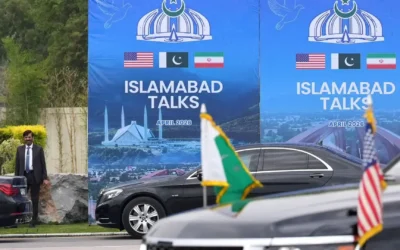
The huddle occurred just as Foreign Minister Ishaq Dar confirmed Pakistan’s role in relaying a 15-point US peace proposal to Tehran. The civil-military leadership reaffirmed that Pakistan’s diplomatic mediation is not just a quest for regional peace, but a “strategic necessity” to protect the nation’s fragile economic recovery.
You May Like To Read: Iran Rejects U.S. Ceasefire Proposal, Submits Counter-Plan
Check out our latest video: