


Pakistan is currently facing a complex situation in which security concerns and economic uncertainty are unfolding simultaneously. On one hand, tensions along the border with Afghanistan have intensified, while on the other, the country’s economic managers are trying to maintain stability amid global uncertainty.
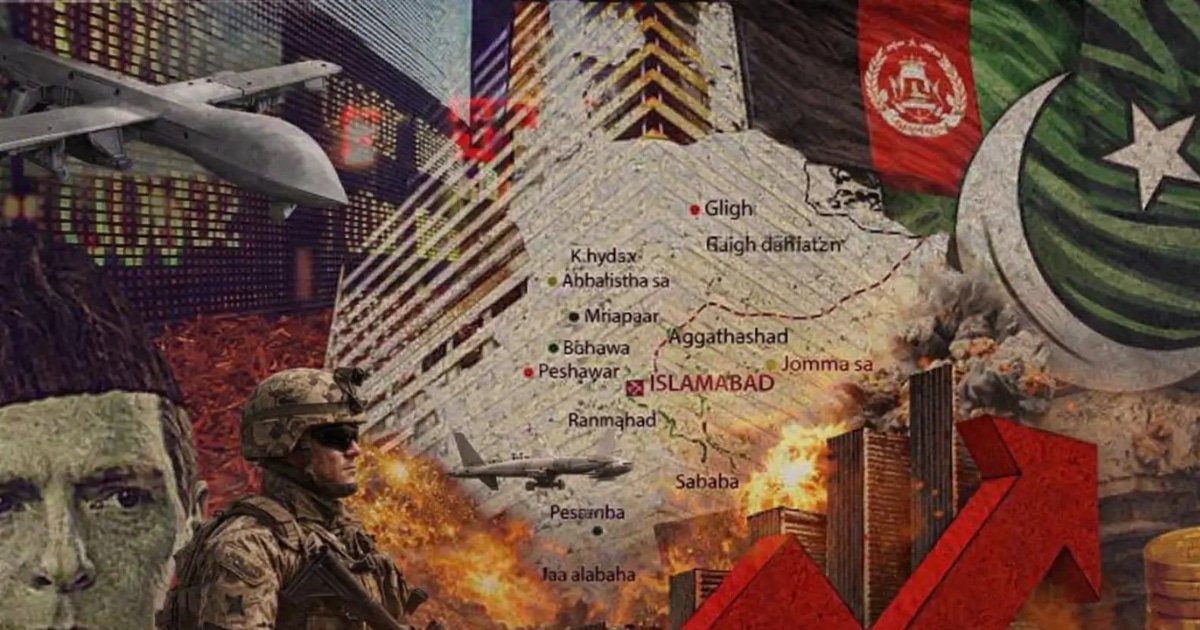
Pakistan, which has long lived amid regional instability, finds itself once again on the periphery of a major geopolitical conflict, increasingly described by analysts as carrying the risk of wider global escalation. Although not a direct participant, Pakistan faces severe… pic.twitter.com/3OxJJTZnIi
— The Express Tribune (@etribune) March 3, 2026
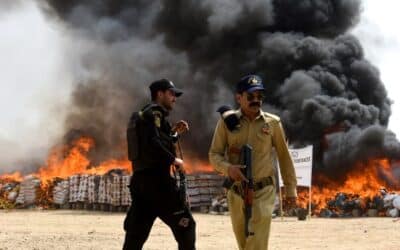
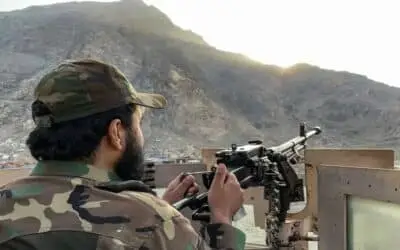
The government recently announced that the military operation Operation Ghazab lil‑Haq has caused significant losses to the Afghan side. According to Atta Tarar, Pakistan’s Federal Minister for Information and Broadcasting, hundreds of fighters linked to the Afghan Taliban have been killed or injured during the ongoing operation. Pakistani forces also reportedly destroyed several check posts and military assets during targeted strikes across different locations.
Border Tensions
The operation was launched after Pakistan accused the Afghan side of carrying out unprovoked attacks along the border. Cities and provinces such as Kabul, Kandahar, and Paktia Province were mentioned among the areas where military installations were targeted.
While the security situation remains tense, economic policymakers are also dealing with new challenges. The State Bank of Pakistan has decided to keep its benchmark policy rate unchanged at 10.5 percent. Officials say the decision reflects caution because global conditions are becoming increasingly uncertain, especially due to rising geopolitical tensions in the Middle East.
Global Pressure
Higher global oil prices and potential disruptions to trade routes could affect Pakistan’s inflation outlook and economic growth. Although the country has seen some improvement in inflation and foreign exchange reserves, policymakers believe that external shocks could still impact the economy. Economic indicators show moderate growth in manufacturing and stable remittances, but tax collection has remained below target. Experts say structural reforms and careful fiscal management will be essential to maintain stability.
You May Like To Read: Saudi Aramco Adjusts Oil Sales as Middle East Conflict Disrupts Supply Routes
Overall, Pakistan is navigating a delicate moment in which border security developments and economic pressures from global conflicts are shaping its policy decisions. How effectively the government manages these overlapping challenges will play a key role in determining Pakistan’s stability in the months ahead.
Check out our latest video: