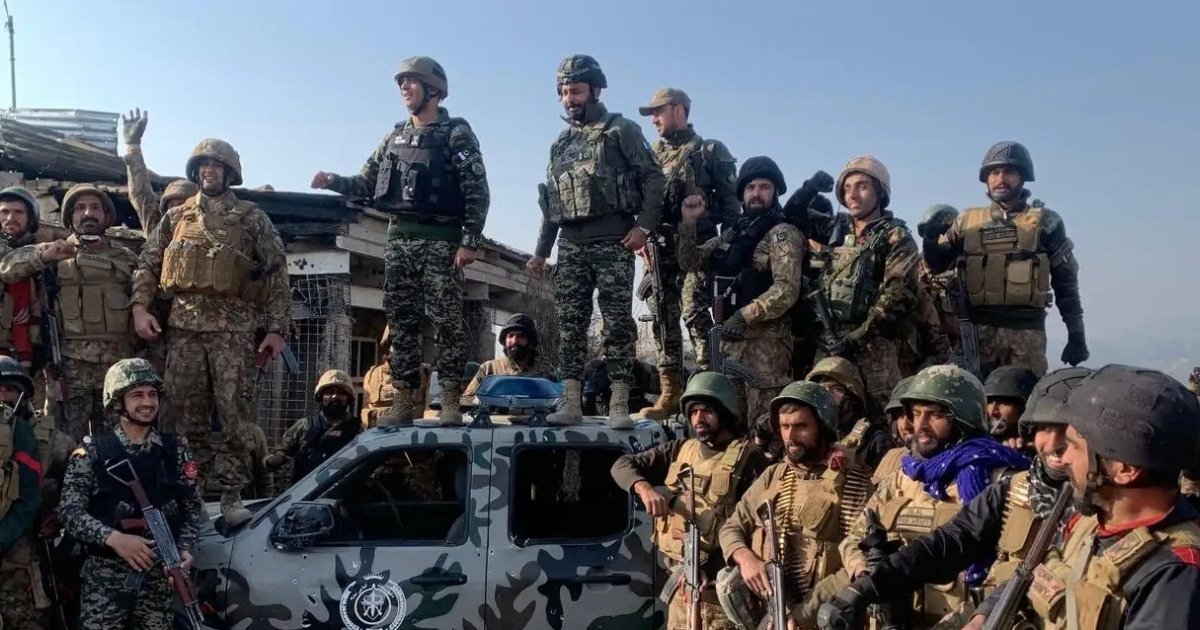



International pressure for a ceasefire is mounting as Pakistan and Afghanistan enter a third day of intense cross-border hostilities. The conflict, described by Islamabad as a state of “open war,” marks the most significant military escalation between the two neighbors since the Taliban’s return to power in 2021. European Union Foreign Policy Chief Kaja Kallas, alongside the UN Secretary-General and leaders from Iran, Jordan, and the UAE, has urged both nations to “bring down the temperature” to avoid a wider regional destabilization.
The violence, which began with Pakistani airstrikes on Afghan territory last weekend, has spiraled into a series of tit-for-tat drone and aerial attacks. Reports indicate that Afghan forces targeted military camps in Miranshah and Spinwam, while Pakistani strikes hit the Taliban power bases of Kabul, Kandahar, and Paktia. While the Taliban authorities have expressed an openness to negotiations, Pakistan has firmly rejected dialogue.
Afghanistan says it wants ‘dialogue’ with Pakistan to end ongoing fighting
Gov spokesman Mujahid said Kabul has repeatedly pushed for a peaceful solution and still seeks talks to resolve the crisis pic.twitter.com/B87U4hwjxE
— RT (@RT_com) February 27, 2026
Prime Minister spokesperson Mosharraf Zaidi stated on Saturday that there would be “no negotiation” until Afghanistan ceases to harbor terrorist elements, specifically referring to the Tehrik-i-Taliban Pakistan (TTP).
Pakistan says ‘no dialogue’ with Afghanistan as attacks persist https://t.co/i3t6zneW37 pic.twitter.com/TdYhJFShwf
— Al Jazeera English (@AJEnglish) February 28, 2026
Casualty figures remain high but conflicting, as neither side’s claims could be independently verified. Pakistan reports the loss of 12 soldiers and the death of 274 Taliban fighters, while Taliban officials claim only 13 of their own were killed. The United States has reaffirmed its support for Pakistan’s right to self-defense against insurgent attacks, while Kabul continues to deny allegations that it allows Afghan soil to be used for cross-border terrorism.
US President Donald Trump responds to question about Pak-Afghan war.
Reporter: Pakistan is facing war again in Afghanistan. Are you seeking to intervene?
Trump: Well, I would, but I get along with Pakistan, as you know, very well — very, very well.
You have a great Prime… pic.twitter.com/5DUzQDFmz8
— South Asia Index (@SouthAsiaIndex) February 27, 2026
The current standoff places the nuclear-armed Pakistani military against a Taliban force hardened by decades of asymmetric warfare. As drone strikes continue to impact civilian areas—including a reported hit on a mosque in Bannu—the humanitarian risk grows. Observers warn that without immediate mediation, the “quiet state of emergency” on the border could evolve into a protracted conflict with devastating consequences for regional security and the four million displaced people in the border zones.
You May Like To Read: Bolivian Military Cargo Plane Crashes in El Alto, 15 Dead as Looting Erupts at Site
Check out our latest video: