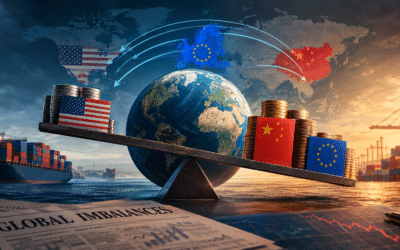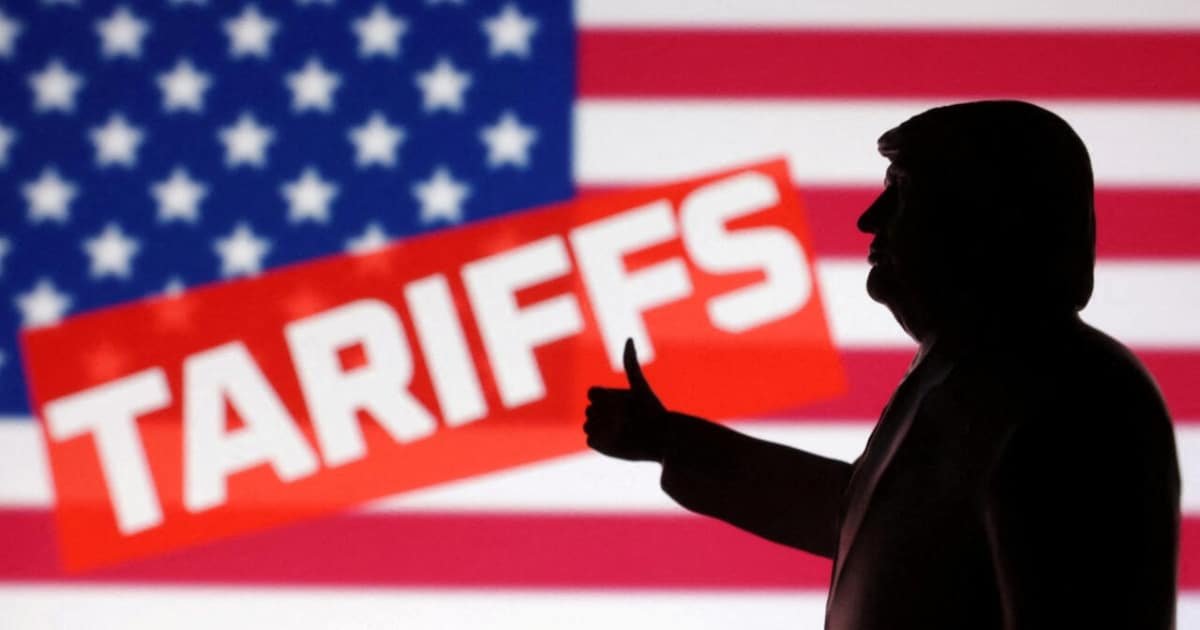





In April 2025, President Donald Trump launched a dramatic overhaul of U.S. trade policy by introducing a new system of “reciprocal tariffs”. This framework implemented a baseline 10% duty on imports from virtually every country, with higher tariffs layered on top for nations deemed to have unfair trade practices or geopolitical conflicts with U.S. interests.
The executive order marked a radical departure from established trade norms, triggering a ripple effect across global markets and political corridors. It was positioned as a way to level the playing field—but in practice, it upended decades of multilateral trade diplomacy.
Countries Hit Hard by Tariff Escalation
By August 1, the tariffs were officially enforced, with more than 70 nations facing increased duties. Nations like India, Canada, Brazil, and Switzerland were hit with rates ranging from 25% to 50%, while U.S. allies such as Japan and the EU negotiated reduced penalties in last-minute trade talks.
For example, the European Union agreed to a 15% tariff cap in exchange for promises to boost U.S. energy imports. In contrast, Brazil was slapped with a punitive 50% tariff for political non-alignment and perceived economic barriers.
A New Form of Trade Diplomacy
Trump’s method relied on coercion rather than collaboration, prompting some analysts to label it a “bullying trade agenda.” Countries scrambled to negotiate bilaterally under pressure, rather than pursue deals through established institutions like the World Trade Organization (WTO).
While Trump’s team framed the strategy as successful in bringing countries to the table, critics argued it undermined global economic stability and set a precedent for transactional diplomacy at the expense of rules-based order.
You May Like To Read: Iranian President’s Historic State Visit to Pakistan
Legal Pushback and Judicial Intervention
Despite its broad scope, the policy has faced serious legal scrutiny. In May, the United States Court of International Trade ruled that Trump’s so-called Liberation Day tariffs exceeded his authority under the International Emergency Economic Powers Act (IEEPA). The court issued a permanent injunction, dealing a blow to the administration’s legal strategy. The ruling highlighted the limits of executive power in trade and signaled that future expansions of such policies may face additional judicial resistance.
Economic Fallout: Inflation, Volatility, and Market Turmoil
Impact on Global Markets
Markets responded quickly and decisively. Following the implementation of tariffs, global stock indices fell sharply, with the S&P 500 dropping 1.8% and the Nasdaq-100 losing 2.6%. Asian and European exchanges mirrored the declines, reflecting deep investor unease.
Traders cited uncertainty over future tariffs, fears of retaliatory action, and potential supply chain disruptions as primary concerns. The sudden escalation of trade tensions had a chilling effect on investment and cross-border business operations.
U.S. Consumers and Price Hikes
For Americans, the most visible impact has been a rise in consumer prices. According to recent data, tariffs have already raised import costs by 3%, especially for durable goods, electronics, and household items. The Budget Lab at Yale estimated that the policy cost U.S. households an average of $2,800 in purchasing power in 2025 alone.
These price hikes have amplified concerns about inflation and eroded consumer confidence, posing additional challenges for the Federal Reserve and the Biden administration’s economic recovery agenda.
Winners and Losers on the Global Stage
Emerging Markets Under Strain
Countries in Latin America and Asia have been among the hardest hit. For example, Mexico faces a potential 4% GDP contraction if current tariffs persist for a year. In Canada, a 35% duty threatens energy exports and manufacturing jobs, while Brazil, reeling from a 50% tariff, is seeing foreign investment flee and agricultural exports collapse.
Allies Navigate the Tightrope
While some U.S. allies like Japan and the EU secured more favorable terms, others like Taiwan and South Korea were unable to avoid higher rates. According to The Guardian, several countries conceded only after intense pressure and economic threats, raising concerns about the long-term health of diplomatic relations.
You May Like To Read: Aid as a Weapon: Exploitation of Humanitarian crises in South Asia
Geopolitical Implications: Trade as a Weapon
The broader impact of Trump’s strategy is a shift in how trade is wielded as a tool of foreign policy. Where past administrations emphasized global cooperation, Trump’s White House has embraced a zero-sum mentality, using economic pressure to secure strategic advantages.
In a BBC analysis, experts warned that this approach risks long-term damage to the U.S.’s reputation as a reliable trading partner. As other powers like China and the EU move to fill the vacuum, American businesses could find themselves squeezed by geopolitical uncertainty and broken supply chains.
Looking Ahead: A Fractured Trade Landscape
Trump’s tariffs have fundamentally altered the global trading system. The rise of bilateral deals, erosion of WTO influence, and weaponization of tariffs point to a more fragmented and volatile economic future. While the administration touts its gains in revenue—estimated at $124 billion by mid‑2025—analysts question whether the costs outweigh the benefits.
With legal challenges mounting and inflation rising, the durability of Trump’s tariff regime remains uncertain. But one thing is clear: the world economy is already feeling its effects—and the aftershocks may last for years to come.