

Pakistan’s acting permanent representative to the United Nations, Ambassador Usman Jadoon, issued a stark warning that India’s decision to hold the Indus Waters Treaty (IWT) in abeyance has triggered an “unprecedented crisis.” Speaking at a global water policy roundtable in New York, Jadoon described the move as a deliberate “weaponization of water” that threatens the livelihoods of over 240 million people. He accused India of multiple material breaches since April 2025, including withholding critical hydrological data and causing unannounced disruptions to downstream water flows.
You May Like To Read: UK Targets £40bn Education Export Boom in New Global Strategy
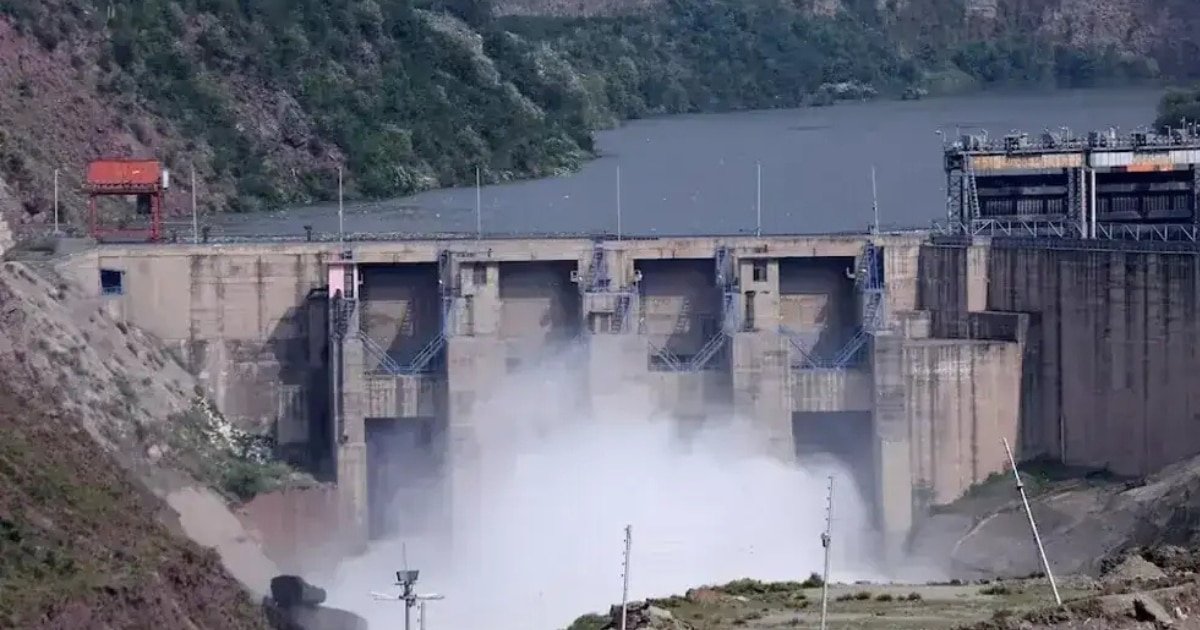
The diplomatic standoff began in April 2025 following the Pahalgam attack, after which India unilaterally suspended the 60-year-old accord. Tensions have further escalated following India’s recent approval of the Dulhasti Stage-II hydropower project on the Chenab River, which Islamabad views as a direct violation of treaty specifications. While the Permanent Court of Arbitration reaffirmed in late 2025 that India is legally obligated to “let flow” the western rivers, New Delhi continues to maintain its “abeyance” stance, arguing that the treaty cannot function amidst cross-border security concerns.
India’s Unilateral Suspension of IWT Threatens Water Security & Regional Stability: Pakistan
– Our Press Release today pic.twitter.com/2kgsDjHBgC
— Permanent Mission of Pakistan to the UN (@PakistanUN_NY) January 21, 2026
For Pakistan, a lower-riparian state already battling rapid glacier melt and groundwater depletion, the disruption is a “lived reality” rather than a theoretical threat. Agricultural analysts warn that even minor shifts in river flow during the summer sowing season could slash crop yields by up to 30% in Punjab and Sindh. Ambassador Jadoon urged the international community to formally recognize water insecurity as a systemic global risk ahead of the 2026 UN Water Conference, emphasizing that shared river basins must be governed by cooperation, not coercion.