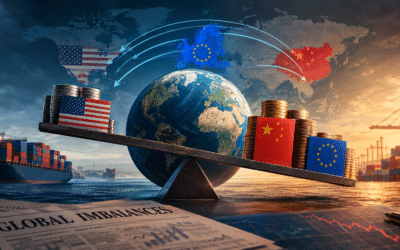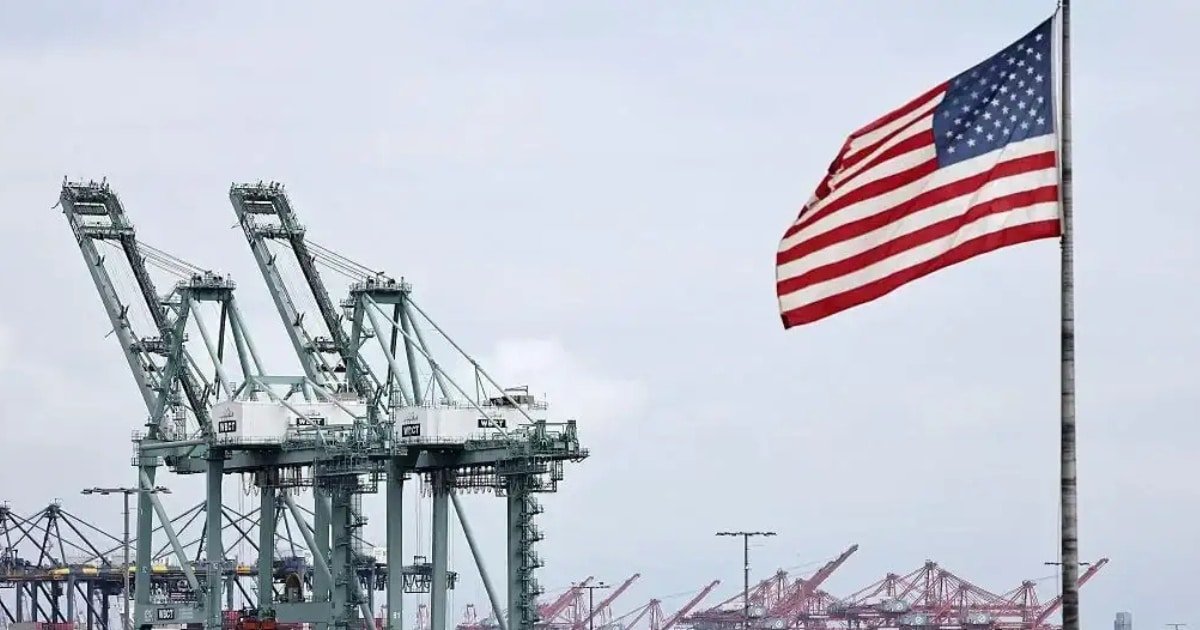





President Donald Trump’s new global tariffs officially came into effect at a rate of 10%, a figure notably lower than the 15% to 20% rates he had signaled over the weekend. This shift follows a landmark Supreme Court ruling on Friday that blocked the administration’s previous use of the International Emergency Economic Powers Act (IEEPA) to impose sweeping import taxes. In response, the White House has pivoted to Section 122 of the 1974 Trade Act, which allows for a temporary 10% levy for 150 days without congressional approval to address trade imbalances.
You May Like To Read: Iranian Envoy Urges Calm Amid Pakistan-Afghanistan Tensions
The lower-than-expected rate has sparked confusion among global businesses and trading partners. While some firms, such as the UK-based Morph Costumes, expressed temporary relief that the rate is not higher, others warned that the constant policy changes are creating a “chaos and mess” that hinders long-term investment. Meanwhile, corporate giants like FedEx have already filed lawsuits seeking full refunds for billions in “unlawful” taxes paid under the now-voided IEEPA framework.
U.S. President Donald Trump’s new global tariffs have taken effect at a 10% rate, despite earlier indications that they could be set higher.
Read more: https://t.co/18EdWAps3B#Trump #Economy #Trariff #Trade pic.twitter.com/OYUarBujpE
— Economy Middle East (@Economy_ME) February 24, 2026
International reaction has been swift; the European Union suspended the ratification of its summer trade deal, while India deferred scheduled talks to finalize a recent agreement. In Washington, officials stated they are still working to increase the rate to 15%, but for now, the 10% duty stands as the active baseline. As the U.S. trade deficit hits a record $1.2 trillion, the administration maintains these measures are essential to protect American workers, though economists warn of an escalating global trade war.
Check out our latest video: