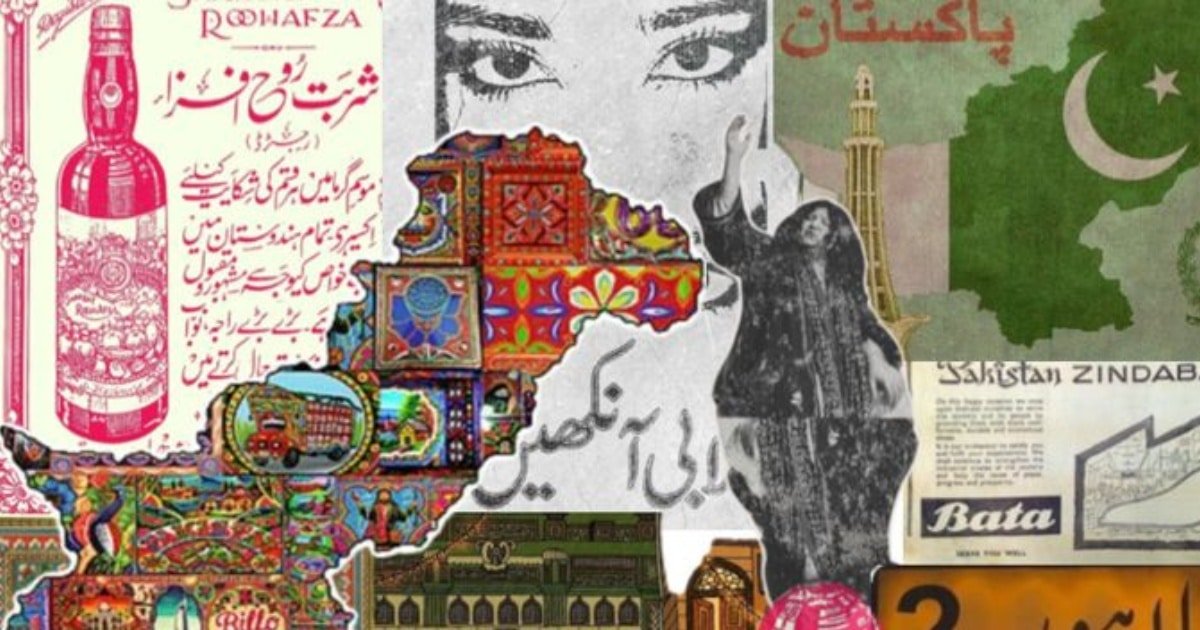





One of the most productive ways through which a nation can integrate into the world is through culture. It reveals what values people have, who they are, and what is their history. In this age and era, cultural diplomacy refers to employing traditions, arts, music, food, and heritage in the pursuit of cordial relations between nations. In Pakistan, culture is not only an element in everyday life but also an effective means to show the positive image of this nation to the world.
Pakistan has an ancient and long history of culture. The Indus Valley Civilization is one of the oldest in the world; it was located in the territory of the current Pakistan. Subsequently, Gandhara art, the traditions of Buddhism, and Islamic architecture were incorporated into its makeup. Sufi saints are those who provided the messages of peace and harmony through the ages and are still reflected in the music and poetry. Coming along with this, the culture of Pakistan is also illuminated in its colorful folk dances, crafts, textiles, as well as its festivals.
You May Like To Read: AGP Audit Report Uncovers Rs4,800 Billion Irregularities in Power Sector
The Role of Cultural Diplomacy in Pakistan’s Policy
Pakistan not only safeguards its culture within the borders of its land but also takes a step further to relate to other countries through it. This is referred to as cultural diplomacy, where culture forms a component of foreign policy as a way of instilling a favorable image. Other than people depending on politics and economics, culture assists people-to-people contact, which tends to create stronger ties.
There are various bodies working towards this end in the Government of Pakistan. Some important organizations that promote Pakistani culture the world over are the Foreign Office, the Ministry of Information and Culture, the Pakistan National Council of Arts (PNCA), and Lok Virsa. To popularize the traditions of Pakistan, embassies organize events in cultural and art festivals and food festivals in different countries.
By means of cultural diplomacy, Pakistan attempts to demonstrate that it is not only the country of political conflicts but also the land of ancient civilization, artistic talent, and welcoming. Being able to share music, crafts, literature, and food with the rest of the world, Pakistan has a gentler and friendlier face to show the world, something that is very essential in terms of building trust and goodwill.
How Pakistan Shares Its Culture with the World
Pakistan has long been a country that has produced a lot of extremely popular cultures all around the world. From the great Mughal culture to the contemporary Punjabi culture, there are several examples of Pakistani cultures that have gained a lot of popularity among the people of the world in a big way.
Pakistan uses an array of venues to bring its culture into the light to the world. Pakistani art and craft, calligraphy, textiles, and food can be found in international cultural shows, art galleries, world tour exhibitions, and festivals. Promotion of the UNESCO World Heritage sites in Pakistan, including Mohenjo-Daro, Lahore Fort, and Makli Necropolis, is managed to use them as arguments as to why Pakistan has such a rich history and culture. Cultural events such as food festivals, especially ones held by the Pakistani embassies, give foreigners a taste of Pakistani food, which is diverse and tasty.
Pakistan’s arts, media, and sports are other cultural ambassadors, even though it is on an unofficial basis. Pakistani cinema and television productions have acquired fans all over the world due to the good stories and cultural enrichment. Coke Studio and Qawwali music serve as the cultural and spiritual side of the nation, with millions of listeners around the world. Such are the Pakistani trucks that received the world through their truck art, which no longer travels along the local roads, but in international tournaments and exhibition places. The other tool of cultural diplomacy is sports, and specifically cricket. Pakistani cricket stars are adored the world over, and the cricket events tend to unite nations in a wave of camaraderie and rivalry.
Success of Pakistan Cultural Diplomacy
With time, Pakistan has succeeded in popularizing its culture throughout the globe. The largest example can be Coke Studio, which gained success not only in Pakistan but in many other countries, too. Its fusion of modern and traditional music has made the sounds of Pakistan known in the rest of the world.
#WATCH: The Honourable Artillery Company (HAC) band, the oldest surviving regiment in the British Army, is currently visiting Pakistan and making waves for its rendition of the hit Coke Studio song Pasoori.
–
Read: https://t.co/P4XXJlYHPM pic.twitter.com/oEDaxoeosM— Arab News Pakistan (@arabnewspk) November 17, 2023
The Pakistani fashion designers have also taken an international platform by presenting traditional fashions in a contemporary tag. London, Dubai, and New York fashion weeks presented Pakistani clothes, which help introduce the creative sphere of the country. Similarly, Sufi music and qawwali of artists like Nusrat Fateh Ali Khan and Abida Parveen have captivated hearts all over the world, bringing in a spiritual and soulful music to Pakistan.
Another key positive is the role played by the Pakistani diaspora. Expatriate Communities hosting people in foreign countries usually organize cultural events, food fairs, and exhibitions introducing the local communities to Pakistani culture. This interaction between people is quite significant in fortifying the cultural identity of Pakistan in the world.
Challenges in Cultural Diplomacy
Pakistan encompasses numerous strengths in terms of culture, but it also has weaknesses in terms of cultural diplomacy practice. Another concern is few resources Cultural ventures do not have sufficient funds and planning allocated to them to create a bigger influence in the overseas markets. A third issue is the political instability that dominates and tends to cover the positive cultural image of Pakistan, and renders it hard to consistently promote soft power.
Pakistan is also faced with another challenge of global stereotypes and negative media portrayals, where individuals perceive the country through the prism of political or conflict situations. It is these obstacles that prevent the great traditions, arts, and hospitality of Pakistan not getting the spotlight that they should.
Pakistan should dedicate more resources to cultural exchanges, nurture its artists and creative industries, and learn to use digital platforms better to communicate its heritage to the world to counter these issues. When such measures are taken, cultural diplomacy should be considered as one of the most powerful resources of Pakistan to establish goodwill, improve the image, and build connections on various levels all around the world.
You May Like To Read: AGP Audit Report Uncovers Rs4,800 Billion Irregularities in Power Sector