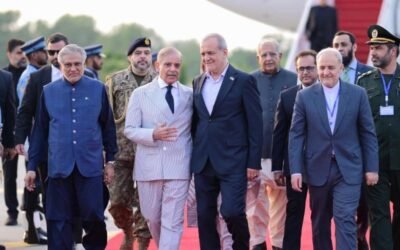




Prime Minister Muhammad Shehbaz Sharif commenced a significant four-day visit to China on Saturday, signaling Pakistan’s commitment to deepening its strategic and economic partnership with its long-standing ally. The visit, which began in Hangzhou, Zhejiang Province, is strategically timed to coincide with the 75th anniversary of diplomatic relations between Pakistan and China, underscoring the enduring bond between the two nations.
JUST IN: 🇵🇰🇨🇳 Pakistan PM Shehbaz Sharif to visit China on May 23-26 for talks with President Xi Jinping. pic.twitter.com/bRWip0pfFA
— BRICS News (@BRICSinfo) May 22, 2026
High-Level Delegation and Bilateral Engagement
Accompanying the Prime Minister is a high-powered delegation including Deputy Prime Minister Ishaq Dar, Minister for Planning Ahsan Iqbal, Minister for Information and Broadcasting Attaullah Tarar, Minister for Information Technology Shaza Fatima, and Special Assistant Tariq Fatemi. This comprehensive representation highlights the multifaceted nature of the visit, spanning economic planning, information dissemination, and technological cooperation.
Hangzhou Focus
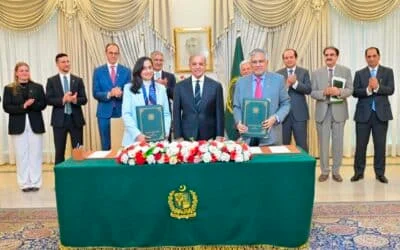
In Hangzhou, the Prime Minister is scheduled to meet with the Party Secretary of Zhejiang Province, a key figure in one of China’s most economically vibrant regions. A central highlight is the business forum designed to catalyze collaboration between Pakistani and Chinese companies, particularly within the framework of the China-Pakistan Economic Corridor (CPEC) Phase 2. This phase is expected to prioritize industrial cooperation, agricultural modernization, and technological advancements. The Prime Minister’s attendance at a ceremony for the exchange of agreements and MOUs signals concrete steps towards enhanced bilateral trade and investment.
Meetings with CEOs of prominent Chinese companies, including a visit to Alibaba’s headquarters, further underscore the focus on leveraging Chinese technological expertise and investment to drive Pakistan’s economic growth. The signing of cooperation memoranda with Alibaba suggests a potential focus on e-commerce, digital economy initiatives, and potentially cloud computing infrastructure.
Beijing Agenda
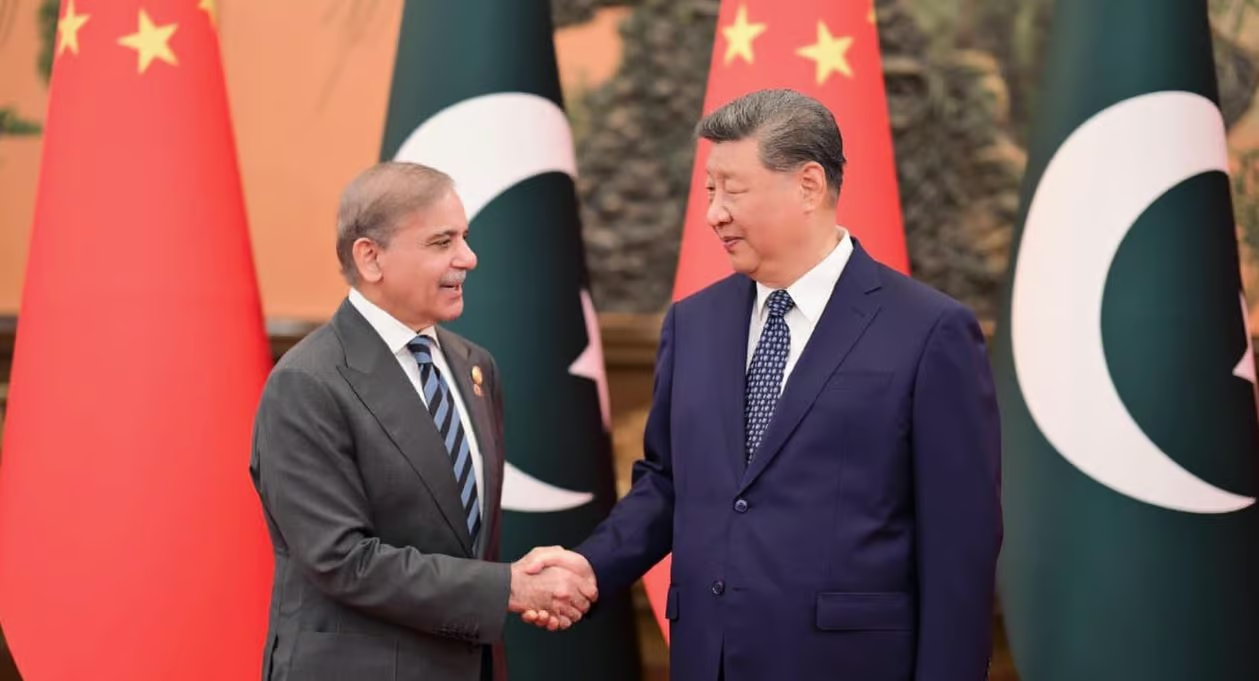
The Prime Minister’s itinerary then shifts to Beijing, where he is slated to hold meetings with Chinese President Xi Jinping and Premier Li Qiang. These high-level discussions are anticipated to cover a wide range of strategic and economic issues, including CPEC’s future trajectory, regional security concerns, and potential new avenues for cooperation.
Participation in an event commemorating the 75th anniversary of Pakistan-China diplomatic relations will serve as a symbolic reaffirmation of the strong ties between the two countries. Further meetings with heads of major Chinese companies and a visit to the China Academy of Agricultural Sciences (CAAS) point to a keen interest in attracting investment across diverse sectors, including agriculture – a critical area for Pakistan’s economic stability.
Critical Analysis
This visit is crucial for Pakistan as it seeks to navigate a challenging economic landscape. CPEC Phase 2 is being positioned as a cornerstone of Pakistan’s economic recovery strategy, with the government actively seeking Chinese investment and expertise to modernize its industrial and agricultural sectors. The focus on technology and digital economy initiatives reflects an understanding of the need to diversify Pakistan’s economic base and enhance its competitiveness.
However, the success of this visit hinges on several factors. Pakistan must demonstrate its commitment to creating a conducive investment climate, addressing concerns related to bureaucratic hurdles, regulatory transparency, and security. Furthermore, the specific terms and conditions of the agreements and MOUs signed during the visit will be critical in determining their long-term impact. Clear communication and effective implementation will be essential to translate these commitments into tangible benefits for the Pakistani economy.