



New Israeli Measures Spark Global Concern
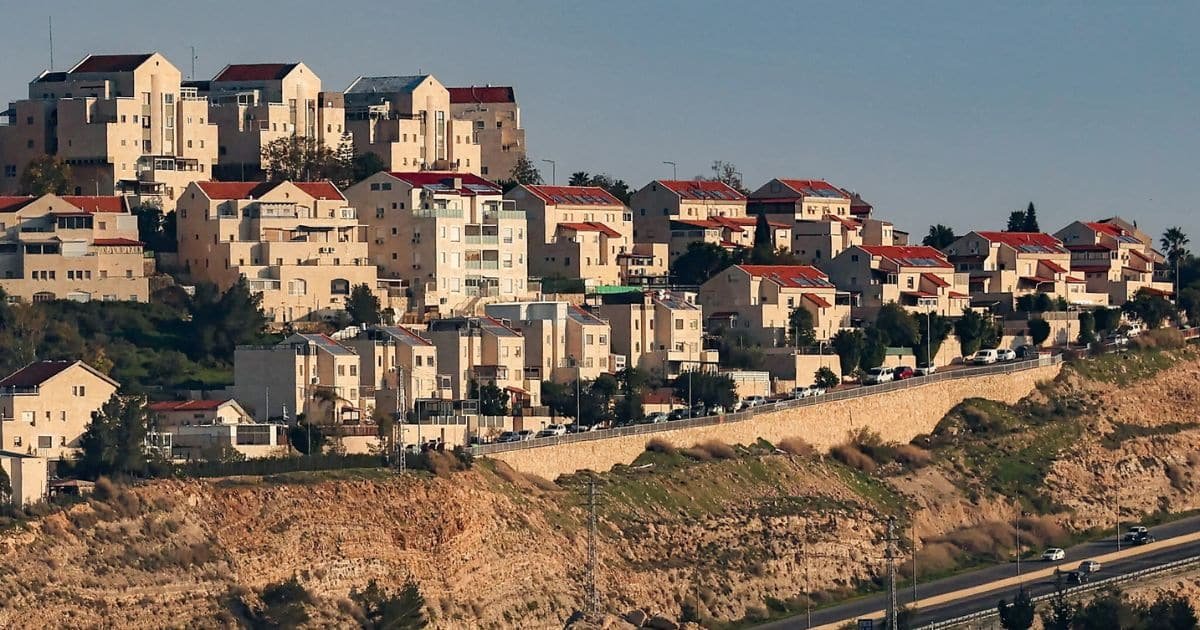
Israel’s security cabinet has approved a set of new measures that increase Israeli control over the occupied West Bank, opening the door for more settlements. The plan allows Jewish Israelis to buy land directly in the West Bank and transfers more authority from the Palestinian Authority to Israeli institutions.
❗️The US will NOT allow Israel to annex the West Bank — JD Vance before leaving Israel
If vote in Knesset is a political stunt, ‘it’s a VERY STUPID political stunt’
‘Personally take insult to it’ pic.twitter.com/tBle9MvSVW
— RT (@RT_com) October 23, 2025
These changes could make settlement expansion faster and easier, even in sensitive areas like Hebron and near major religious sites such as Rachel’s Tomb and the Cave of the Patriarchs. Palestinians and many international actors see these moves as steps toward annexation of occupied land, which is considered illegal under international law.
Israel says its settlement expansion is to “prevent the establishment of a Palestinian state” as it announced 22 new settlements in the occupied West Bank. Palestinian lawyer Diana Buttu says Israeli officials are daring the world to stop them. #AJOPINION pic.twitter.com/UoYWqxUkRN
— Al Jazeera English (@AJEnglish) June 2, 2025
White House and World Leaders Respond
A White House official said the Trump administration opposes the annexation of the West Bank, stressing that stability in the region is key to peace and Israel’s long-term security. The United Nations Secretary-General António Guterres warned that these actions weaken the chances of a two-state solution.
The UK strongly condemned the decision, calling it unlawful and unacceptable. Several Muslim-majority countries, including Pakistan, Saudi Arabia, Turkey, Egypt, and Qatar, also issued a joint statement denouncing the plan and warning it could destabilize the region further.
Impact on Peace and the Future
More than 500,000 Israelis already live in settlements in the West Bank, alongside around three million Palestinians. These new policies deepen fear among Palestinians that their land and political future are being steadily erased. Israeli leaders supporting the plan have openly rejected the idea of a Palestinian state, making peace prospects even more fragile.
As tensions rise, many fear that these developments will push the region further away from dialogue and closer to long-term conflict, leaving ordinary people on both sides to face the consequences of political decisions made far above them.
You May Like To Read: