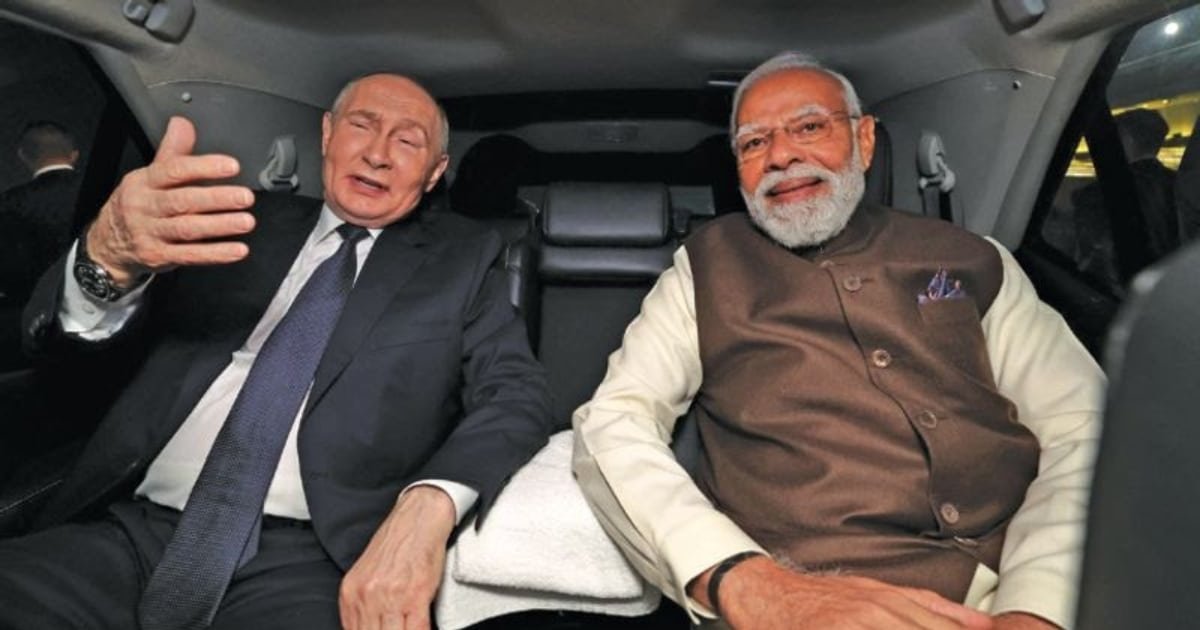





Russian President Vladimir Putin concluded a high-profile, two-day strategic visit to New Delhi today, meeting with Prime Minister Narendra Modi. The meeting reaffirmed the enduring stability and depth of the India-Russia strategic partnership, addressing critical areas of defence, energy, and labor cooperation amidst a complex global environment.
Prime Minister Modi personally received President Putin at the airport, underscoring the vital importance India places on this bilateral relationship.
Russian President Vladimir Putin has landed in New Delhi for a two-day state visit to India as he looks to shore up economic, defense and energy ties.
👉 https://t.co/Mf5RSFdlRr pic.twitter.com/MFXx4pjJQA
— DW News (@dwnews) December 4, 2025
Centrepiece: Labour Mobility Agreement
An unusual focal point of the visit was the launch of the India-Russia Labour Mobility Agreement. This accord is crucial for both nations:
- Russia: Facing severe labor shortages (estimated at 3.1 million jobs by the end of the decade) exacerbated by the conflict in Ukraine, Russia is actively seeking skilled and semi-skilled Indian workers in the construction, technology, and manufacturing sectors.
- India: The agreement offers significant job opportunities for Indian workers at a time when traditional Western markets are tightening immigration controls.
Deepening Defence and Energy Cooperation
The leaders prioritized discussions on high-grade defence purchases, which remain a key component of the strategic alliance.
In the energy sector, Russian oil sales were a primary topic. While India drastically curtailed imports from Russia after they peaked at 40% last year, both sides engaged in discussions regarding future arrangements. Russian sources indicated that the current reduction in imports is expected to be temporary, and both leaders sought ways to sustain the valuable trade, noting the significant financial cost India would incur (estimated at $9-10 billion) if it were forced to abandon Russian oil completely.
Navigating Geopolitical Complexities
The visit took place against the backdrop of heightened global scrutiny, particularly from Western nations. New Delhi is actively managing a strategic tightrope walk, balancing its traditional ties with Moscow against relationships with the United States and the European Union. The visit closely followed a public controversy in which European envoys in India criticized President Putin via published editorials, to which the Indian government offered a firm response.
Despite these geopolitical pressures, the successful conclusion of the summit demonstrates the resolve of both nations to advance mutual interests and strengthen their long-term strategic independence.
You May Like To Read: PTCL Gets Conditional PTA Nod For Telenor Pakistan Acquisition