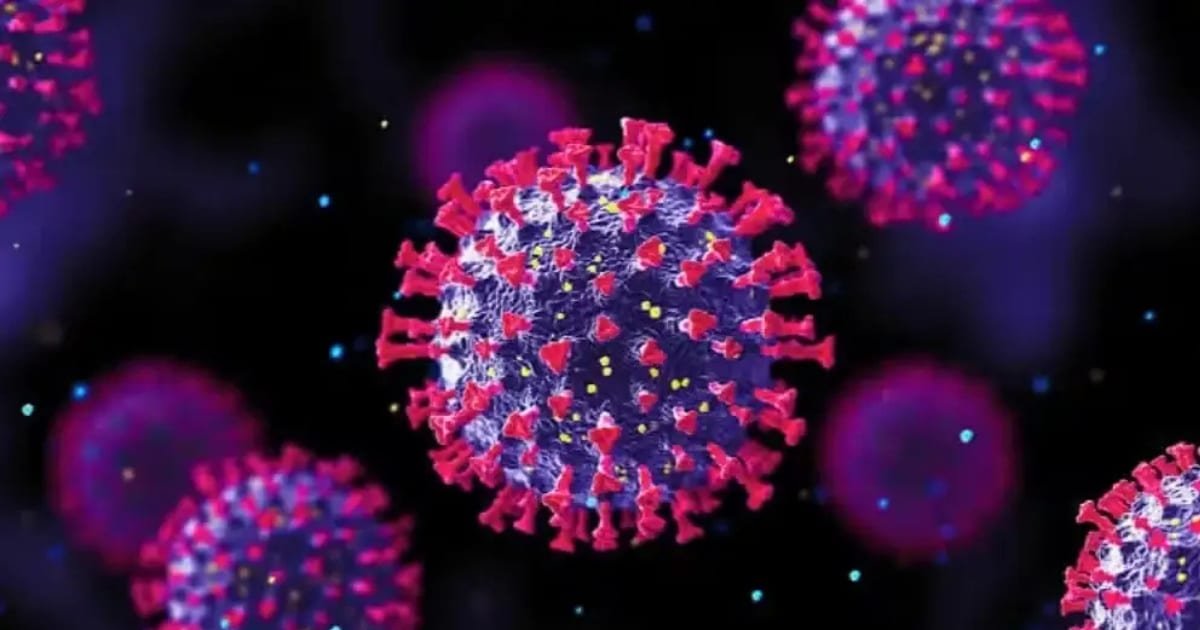




On January 8, 2026, the Public Accounts Committee (PAC) of Parliament expressed grave concern over the rising risk of a “super flu” virus across Pakistan, exacerbated by a complete lack of available vaccines. During a sub-committee meeting, Convener Shahida Akhtar revealed that even the Parliament’s own dispensary is depleted of basic flu and allergy medications, reflecting a broader national crisis. Health Ministry officials informed the committee that no confirmed global vaccine for this specific “super flu” exists yet, as the virus continues to mutate rapidly and circulate alongside other seasonal strains.
The National Institutes of Health (NIH) in Pakistan has warned of a rise in seasonal influenza cases, primarily driven by the fast-spreading H3N2 strain, often referred to as “super flu”. What is H3N2 virus, know symptoms, risks and precautions.
Read Here:… pic.twitter.com/ChScJtfqHV
— DNA (@dna) December 16, 2025
Authorities identified severe air pollution as a primary driver of the current outbreak, which has been particularly prevalent in the northern regions since November. Officials advised citizens to return to preventive measures, such as wearing masks, while the country waits for international researchers to develop an effective new vaccine. The PAC criticized the persistent delay in local medical research, noting that by the time solutions are found, the public health situation has often already reached a critical point. With the transmission season expected to last until March, the government is urging caution as the healthcare system struggles to manage the surge in respiratory illnesses.
You May Like To Read: Venezuela Mourns as Reported Death Toll from U.S. Raid Climbs to 100
Check out our latest video: