




A Nation Under Water, Again
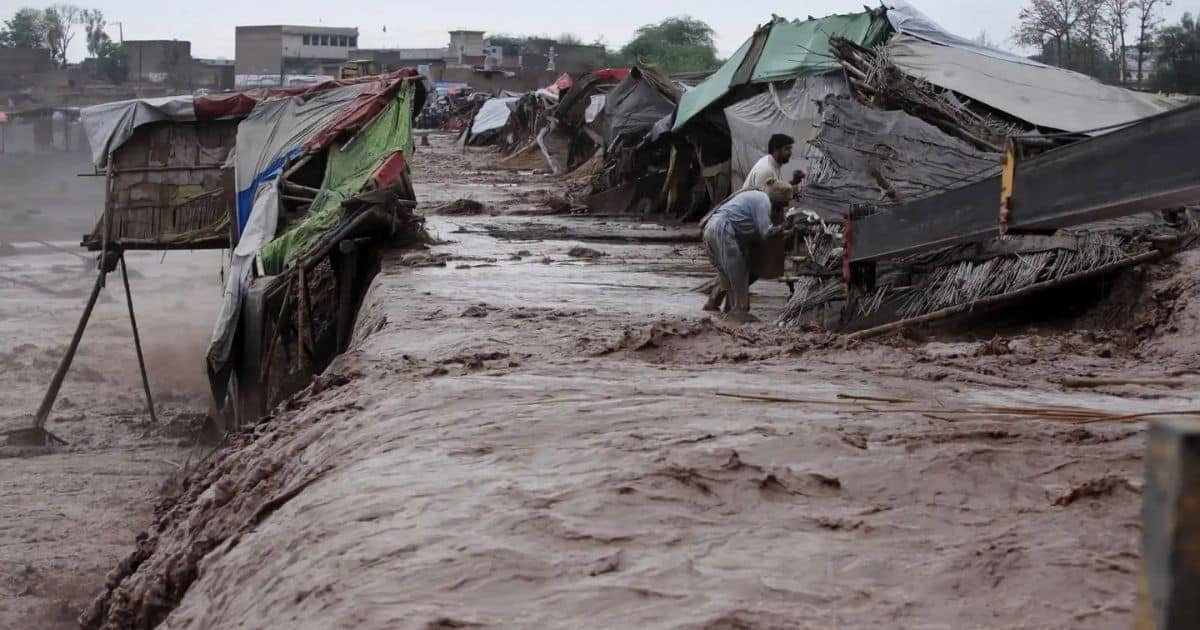
As Pakistan reels from yet another season of devastating floods, the idea of converting debt into climate action, through so called debt-for-climate or debt-for-nature swaps, has resurfaced as a potential policy tool. Proponents say these arrangements can free fiscal space while channeling funds into adaptation, restoration and resilience. Critics warn they risk becoming symbolic deals that neither relieve meaningful debt burden nor deliver measurable protection for vulnerable communities. The debate matters now more than ever. In August 2025 Pakistan faced catastrophic monsoon flooding across Punjab and other provinces that displaced hundreds of thousands and renewed urgent questions about recovery, resilience and who pays the bill.
You May Like to Read: Climate Change as an Economic Crisis: Is Pakistan Ready for Green Industrialisation?
The Logic of Debt Swaps
At their core, debt-for-climate swaps convert part of a country’s external liabilities into domestic spending commitments for environmental or climate projects. In practice the mechanics vary: a creditor may forgive or restructure debt, or a third party can buy debt at a discount and accept payment in local currency for specified conservation or adaptation projects. International organisations and policy groups have been refining best practices for these instruments in recent years, arguing they can mobilise private and philanthropic capital alongside official creditors. But the success of any swap depends on clear rules, transparent governance and projects that genuinely reduce climate vulnerability rather than simply greenwash pre-existing spending.
Why Pakistan Wants This Tool
For Pakistan, the immediate attraction is obvious. Years of economic pressure, rising debt servicing, balance-of-payments squeezes and constrained public spending, leave little fiscal headroom to invest in flood defences, resilient agriculture, early warning systems and emergency health infrastructure. Debt swaps could, in theory, redirect what would have gone to external creditors into community-level flood mitigation, reforestation of watersheds, and strengthening irrigation infrastructure. Islamabad has signalled interest in these avenues and the United Nations has been promoting a ‘Debt Swap Hub’ to help countries prepare for such deals, an initiative that could create structured pathways for Pakistan to pitch bankable, climate-focused projects to potential creditors and buyers.
The Pitfalls and Limitations
Yet there are structural pitfalls:
The Scale: swaps to date have unlocked finance in niche cases, often for small-to-medium sums relative to the magnitude of sovereign debt. Pakistan’s bilateral and commercial obligations run far larger than the usual targets of debt-for-nature deals, meaning swaps alone cannot substitute for broad debt restructuring or concessional climate finance on grant terms.
Additionality and Accountability: without strict safeguards, funds freed by swaps may substitute for existing development allocations rather than create new resiliency investments.
Timing: climate shocks like the August 2025 floods require immediate humanitarian relief and reconstruction. Swaps are typically slow, negotiated instruments that suit medium-term adaptation projects but do not replace rapid emergency financing.
You May Like to Read: The West’s Climate Diplomacy: Structural Inequality Disguised as Global Cooperation
The Floods of 2025 as a Test Case
The floods themselves underline both the urgency and the complexity. In late August 2025, record monsoon rains and river overflows inundated thousands of villages in Punjab, triggering large-scale evacuations and straining relief networks. International NGOs and humanitarian partners have been active on the ground, supplying medical kits and first-responder equipment, but large reconstruction needs and health risks persist. Any climate-debt strategy must therefore be judged against whether it helps close financing gaps for immediate recovery and builds durable, locally-led resilience against repeat disasters.
Finding a Balanced Approach
A realistic path for Pakistan would combine targeted debt-for-climate swaps with stronger multilateral engagement. Swaps should be designed transparently, with civil society oversight, clear metrics, and ring-fenced funds for adaptation projects that are technically vetted and community-owned. They should complement, not replace, demands for concessional finance, grants, and scaled international risk-sharing mechanisms. Donors and creditors must also accept that adaptation financing cannot always be repaid in traditional economic terms, some investments are public-goods that stabilise livelihoods and prevent displacement, benefits that are hard to commodify but essential for national stability.
You May Like to Read: Punjab Floods Worsen: Government Issues High Alert as Rivers Swell to “Exceptionally High” Levels
The Real Test of Intent
In short, debt-for-climate swaps offer a tool, not a cure. For Pakistan, the test will be whether policymakers and international partners use swaps to deliver measurable protection for people and ecosystems, or whether the instruments become window-dressing while systemic debt pressure and humanitarian gaps persist. The floods of August 2025 show that timing and structure matter: poor design could see swapped funds trickle into low-impact projects while households remain exposed to catastrophe. Well-designed swaps, paired with grants and rapid humanitarian support, can help rebuild, but only if they form part of a coherent, transparent financing strategy that places communities and resilience at its centre.
Concluding Reflections
Ultimately, Pakistan needs finance that is timely, adequate and governed for long-term resilience. Debt-for-climate swaps can play a role, but expecting them to be a silver bullet ignores the scale of the economic and climate challenge. If Islamabad, donors and creditors coordinate now grounding swaps in robust monitoring, linking them to immediate recovery, and insisting on local accountability, the instruments may shift from cosmetic diplomacy to practical relief. Without those safeguards, swaps risk offering headlines instead of houses, and promises instead of flood-proofed lives.