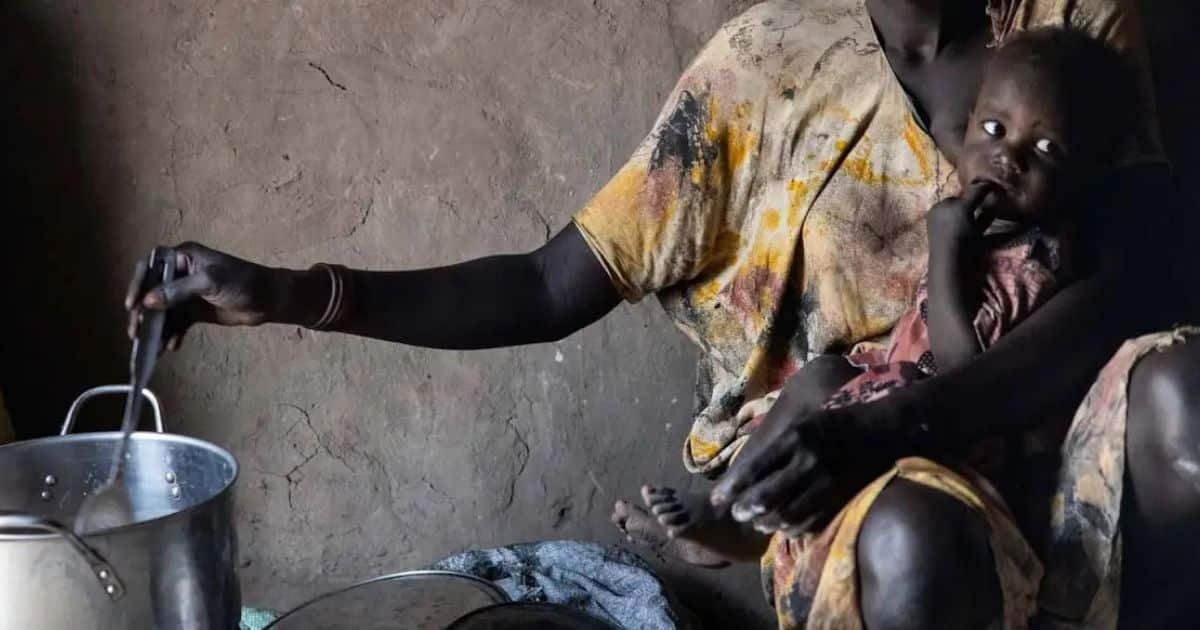





A devastating new report released today by two leading United Nations agencies identifies six nations teetering on the edge of famine or catastrophic hunger. The report highlights a stark humanitarian crisis where delayed action will lead to preventable loss of life.
The six hotspots facing the highest and most immediate risk are: Sudan, Palestine, South Sudan, Mali, Haiti, and Yemen. In these areas, the report warns that vulnerable communities are tragically projected to reach famine or near-famine conditions.
Acute food insecurity means countless families are being forced to resort to desperate measures—skipping meals, selling essential possessions, and facing life-threatening hunger at Phase 4 (Emergency) and Phase 5 (Catastrophe/Famine) levels.
“Famine is not inevitable,” affirmed Cindy McCain, WFP Executive Director. “We have the tools and the knowledge to prevent it, but we need the resources and the political will to act now.”
The report stresses the extreme vulnerability of children, for whom malnutrition tragically weakens immunity, making them susceptible to disease and death.
In addition to the highest-risk nations, other countries identified as areas of very high concern include the Democratic Republic of the Congo, Myanmar, Nigeria, Somalia, Syria, and Afghanistan.
Acute food insecurity is likely to worsen across 16 countries and territories in the coming months.
UN agencies call for urgent humanitarian action in response.
Five facts about this dire situation ⤵️ pic.twitter.com/EPNiNHaqB5
— UN News (@UN_News_Centre) November 12, 2025
Four Core Drivers Fueling the Crisis
The escalating global food crisis is being driven by a convergence of severe factors:
- Conflict and Violence: Cited as the leading cause of hunger in 14 of the 16 hotspots, demonstrating the heartbreaking link between conflict and hunger.
- Economic Shocks: Fragile economies, high national debt, and soaring food prices are stripping basic safety nets away from millions.
- Climate Extremes: Floods, droughts, and cyclones linked to changing weather patterns are decimating harvests and livestock.
- Reduced Humanitarian Aid: Severe funding shortfalls have already forced agencies to cut essential rations and limit vital malnutrition treatment, amplifying the suffering.
“Conflict remains the single biggest driver of hunger,” said Dongyu Qu, FAO Director-General. “But climate shocks and economic instability are compounding the crisis, leaving millions with no safety net.”
The FAO and WFP call on the international community to take immediate and decisive action to save lives:
- Humanitarian Assistance: Immediately increase aid to save lives and protect livelihoods in the critical hotspots.
- Anticipatory Action: Invest in early interventions to prevent predictable crises from escalating into full-blown catastrophes.
- Investment in Resilience: Address the root causes of hunger, ensuring long-term stability and resilience against future shocks.
The world faces a narrowing window to prevent widespread preventable deaths. Failure to respond to this global call will deepen hunger, destabilize regions, and betray the promise of Sustainable Development Goals (SDGs) for the most vulnerable populations.
You May Like To Read: AI Controls Satellite Attitude in Orbit for the First Time
Check out our latest video: