



Impact, and Magnitude of Earthquake
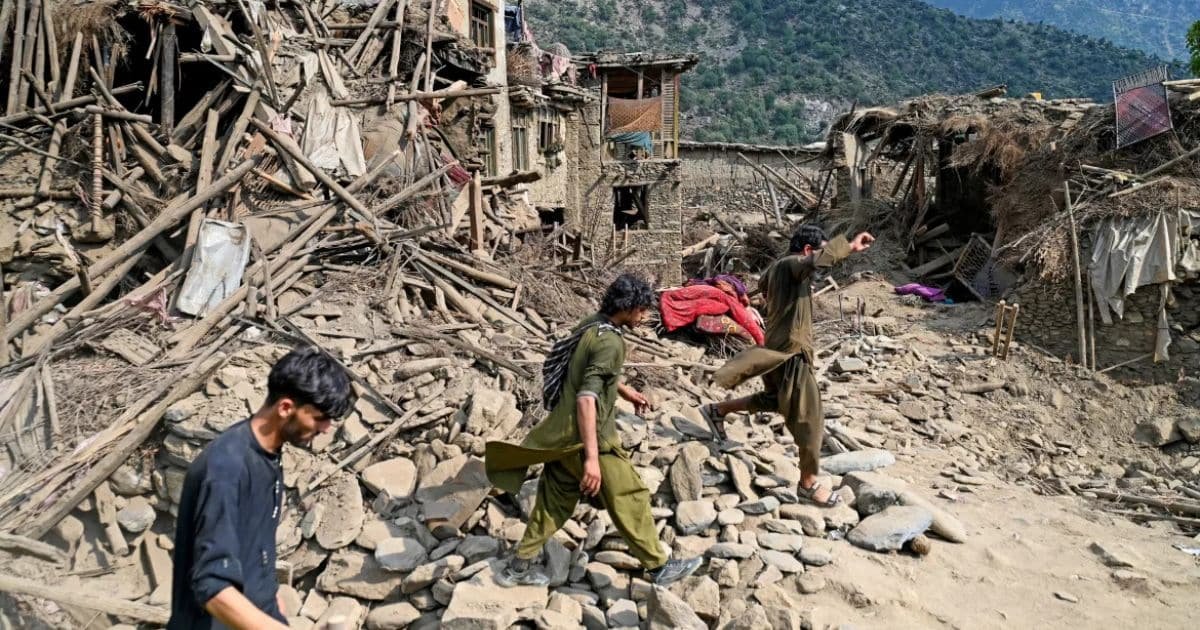
A powerful earthquake hit eastern Afghanistan on September 1, 2025, and the damage was awful. The quake was between 6.0 and 6.7 magnitude and it struck near Jalalabad, with the most damage being reported in Kunar and Nangarhar provinces. Due to the shallow depth of the earthquake, the shaking was so intense that it destroyed thousands of mud-brick houses, schools, and mosques in a few seconds.
About 800 individuals have died already, and more than 2,800 are wounded, the officials say. House after house has buried many families, and whole mountain villages have been levelled to the ground. The tremor was felt in Pakistan on the other side of the border and terrified citizens in cities such as Peshawar and Islamabad.
This earthquake is described as one of the deadliest ones in Afghanistan since 2022, which proves again how prone the country is to natural disasters.
Anthropic Casualty, and Increasing Fallen
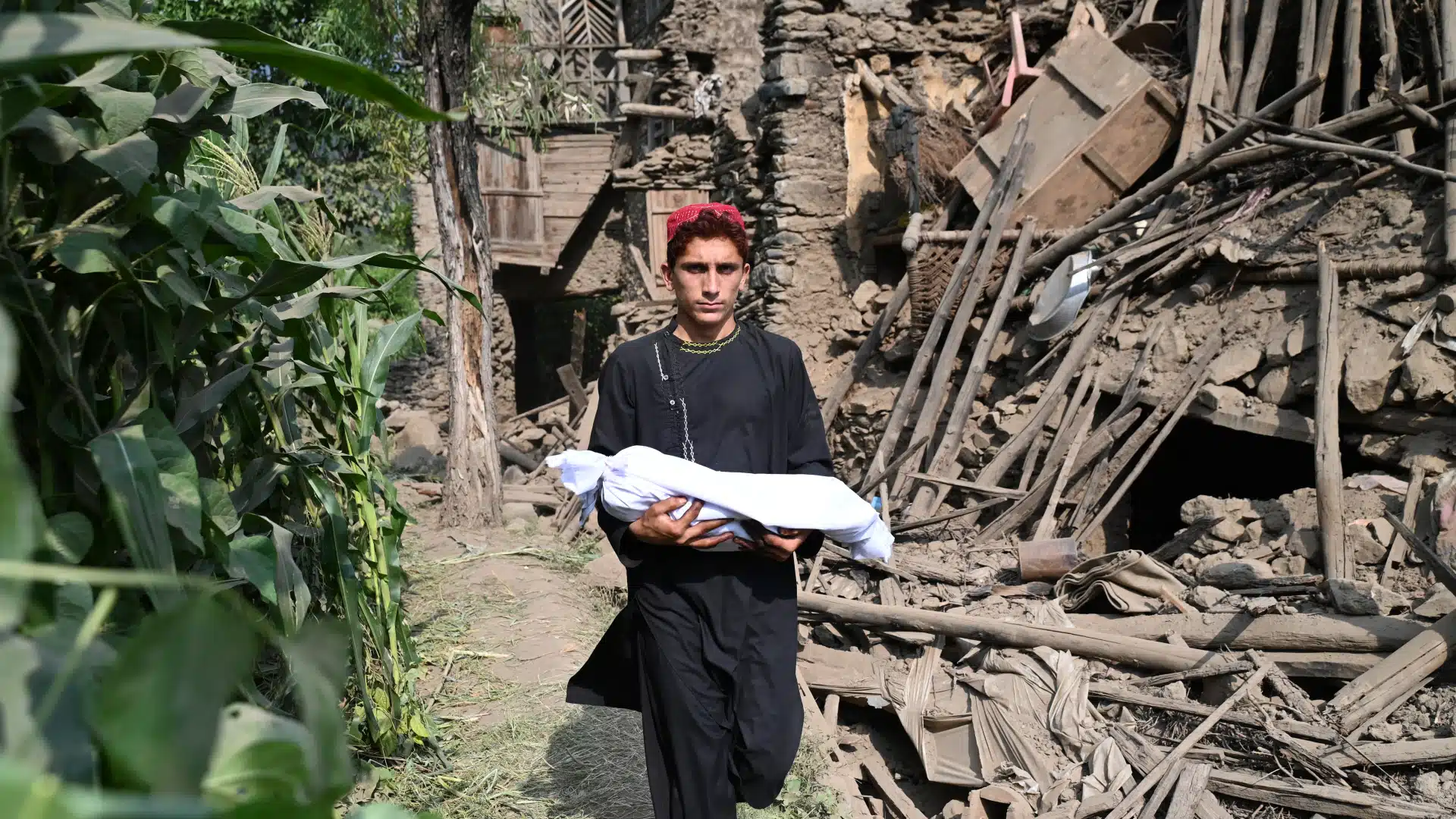
The fatalities and injuries continue to increase along with the number of villages that the rescue teams arrive at. According to Taliban officials, at least 812 people were killed, and the number can go higher since many families are still under rubble. Jalalabad hospitals and the towns nearby are overcrowded, and doctors are unable to treat thousands of injured citizens.
The majority of the houses in this section of Afghanistan are constructed using mud bricks, which crumble easily during an earthquake. The quake had the greatest impact on many women and children who were at home when the earthquake happened. And survivors report that entire families could be buried within seconds, forcing neighbors and family members to excavate through the rubble with their hands to locate family members.
To most people, this is not only a natural disaster, but also a human tragedy because in a single day, dozens of people have been killed in a whole village.
Rescue, and Relief Challenge
The affected areas have been very hard to rescue. Landslides block many roads, and the mountainous terrain makes it difficult to access remote villages by emergency teams. Survivors in some locations have been digging through the rubble with their bare hands since heavy machines cannot access them.
The injured are being transported to hospitals by helicopters, and the dead bodies of people are also being transported by helicopters. According to local authorities, they lack the necessary equipment, medicine, and shelters to deal with the survivors. They are placing thousands of families in the open with no food, clean water, or blankets.
The Taliban government has requested immediate foreign assistance since the extent of the calamity is something that cannot be addressed by the local administration. Aid organizations caution that unless help is urgent, the number of those killed may only increase as a result of the absence of medical attention and basic amenities.
International Response
The earthquake has attracted the attention of the region and the world. Your neighboring Pakistan was soon reporting that tremors were felt almost to the ground in its cities, and that it had condolences to offer, and aid and assistance. South Asian rescue and relief services are gearing up to dispatch medical personnel, food, and tents to the victims.
There is also concern among international organizations such as the United Nations, the Red Crescent, and other assistance organizations. They are demanding quick services, particularly to remote mountain villages where main roads have been isolated. It has been reported that many countries are willing to send supplies and rescue teams as long as the Taliban government permits them to gain access as soon as possible.
World leaders have emphasized that Afghanistan, already being ravaged by the years of war and poverty, cannot bear such a tremendous tragedy all by itself. How the world will react in the next few days will be essential to save lives and aid the country in recovering.
Wider Framework: Afghanistan`s Vulnerability
Afghanistan is ranked among the most seismically active nations in the world due to the fact that it is located on major fault lines. The nation experiences numerous fatal quakes every few years, such as one that happened in 2022 and claimed the lives of over a thousand individuals. The existence of every disaster demonstrates the instability of life in this area.
In eastern Afghanistan, the majority of the population resides in mud-brick structures, which are incapable of withstanding a powerful shaking. The effects of earthquakes are only aggravated by poor roads, poor health facilities, and a lack of rescue equipment. The response is usually slow when disasters occur, and affected people are left without food, medicine, or shelter.
This tragedy is not merely a consequence of nature but a consequence of the centuries-long battle with poverty, war, and scarcity in Afghanistan. The country will continue to be very susceptible to these disasters until the country has stronger buildings and a better emergency system.
You May Like To Read: