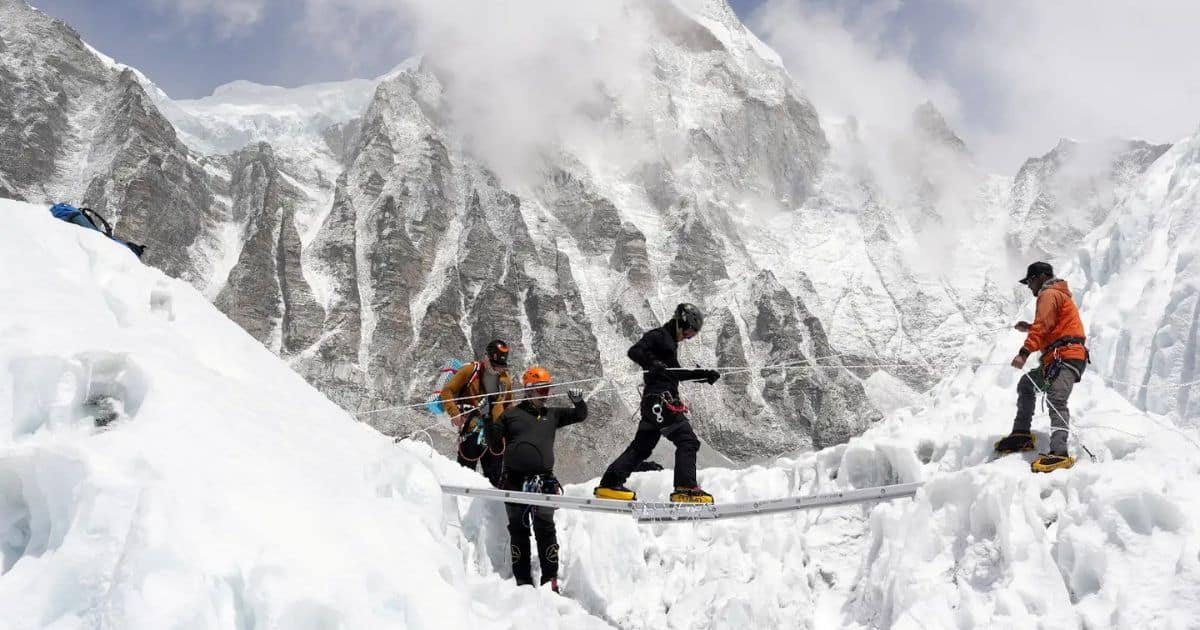





Chinese authorities are coordinating a massive rescue effort after an unseasonable and “extreme” snowstorm struck the Everest Scenic Area on the Tibetan side of the border during China’s busy “Golden Week” holiday, stranding hundreds of tourists.
Heavy snowfall hit the region on Friday and Saturday night, trapping trekkers at campsites at an elevation of more than 4,900 meters (16,000ft). Reports indicate that about 350 people have successfully made their way down the mountain, but at least 200 more remained stranded as of Sunday evening. Hundreds of rescuers have been dispatched to help people and clear snow from blocking the way out.
More than 200 remaining trekkers trapped by a snowstorm over the weekend near the eastern face of Mount Everest in Tibet are being evacuated, a source familiar with the situation said on Tuesday. https://t.co/auiDOnPdZ0 https://t.co/auiDOnPdZ0
— Reuters Science News (@ReutersScience) October 7, 2025
Trekkers Describe “Extreme” Conditions
Eyewitness accounts from trekkers who safely descended painted a picture of unexpected danger and fear.
One trekker, Dong Shuchang, described the event on social media as the “most extreme weather I’ve ever faced in all my hiking experiences, without question,” detailing a “violent convective snowstorm on the eastern slope” of Everest.
Other accounts highlighted the rapid escalation of the danger, with one trekker noting the fear of “being buried alive” as snow piled up quickly around tents, forcing continuous manual clearing every 90 minutes. Another trekker recalled the intense descent: “The snow was very deep, and the trail extremely slippery. Trekkers stumbled frequently.”
Villagers in the valley, “unable to contact their children on the mountain, were extremely worried,” indicating that the storm also affected local communications.
You May Like To Read: Two Years of Hell: Gaza’s Suffering Marked by 67,000+ Lives Lost
Suspension of Tourism and Weather Anomalies
The Northern and Eastern sides of Everest, known for less technical trekking than the Nepal side, draw high numbers of visitors. October is typically a peak season for the area, with usually clear and mild weather.
However, officials noted that this year’s conditions were “not normal.” Chen Geshuang, a member of a group that returned to the town of Qudang, quoted their guide as saying they had “never encountered such weather in October. And it happened all too suddenly.”
In response, the local tourism authority has suspended ticket sales and entry to the Everest Scenic Area since Saturday.
Authorities confirm that the 350 people who reached Qudang are reported to be “in good health,” and contact has been established with the remaining 200 stranded individuals. The full extent of the weather’s impact, including on the northern side of Everest, remains under review due to restricted journalistic access and disrupted power and communications in the region.
You May Like To Read: Dmitry Medvedev to Lead United Russia Delegation for North Korea’s 80th WPK Anniversary