

In a significant geopolitical development, North Korea has announced its support for Russia in the ongoing Ukraine war. This declaration has raised concerns among Western nations, particularly the United States and NATO, as it could potentially alter the dynamics of the conflict. The move comes after high-level discussions between North Korean and Russian officials, with both sides making strategic promises that could deepen their military and economic cooperation.
Recent Meetings and Discussions
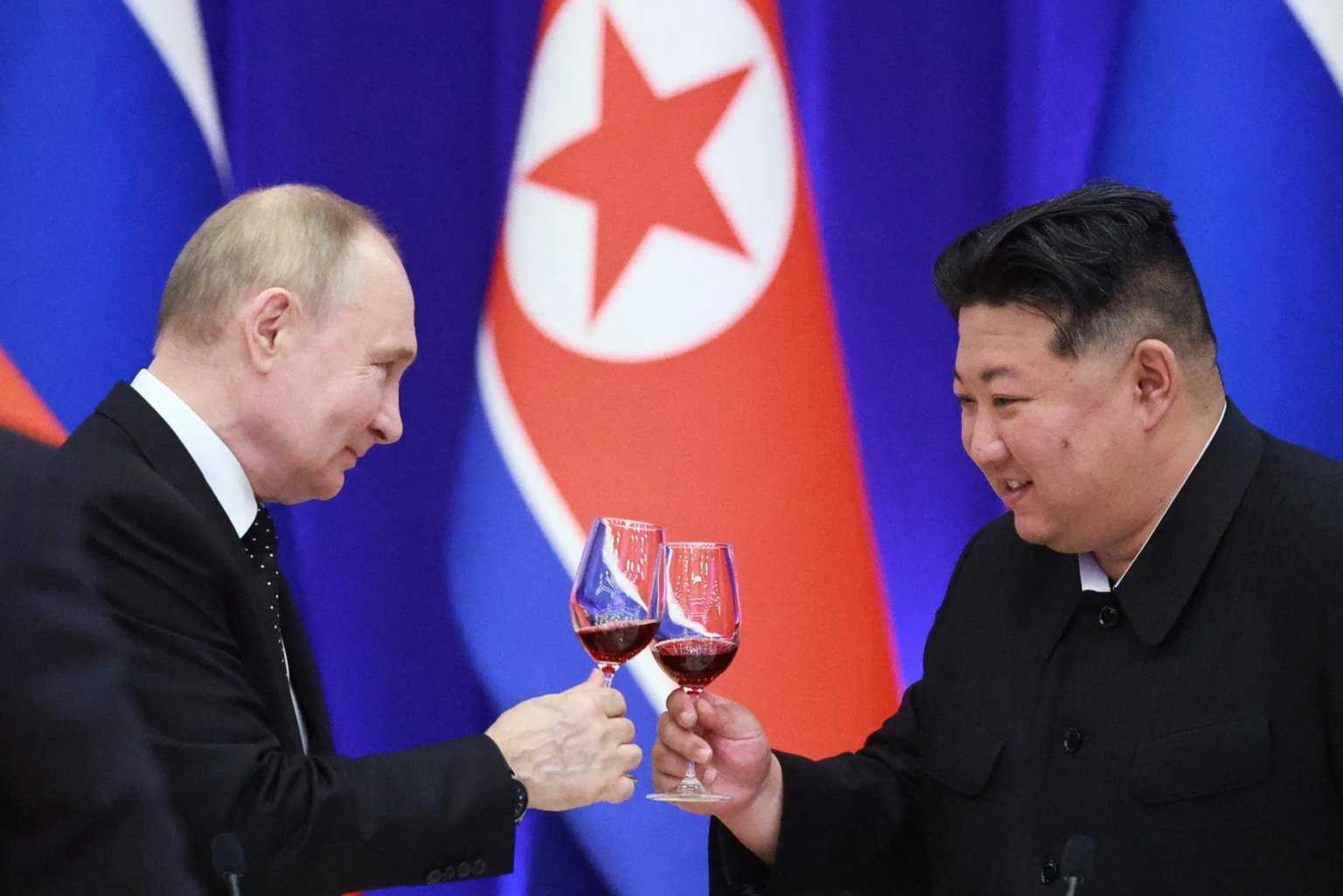
Reports indicate that North Korean leader Kim Jong-un and Russian President Vladimir Putin have been engaging in discussions, either directly or through high-ranking officials, to strengthen their alliance. While the exact details of these meetings remain undisclosed, intelligence sources suggest that North Korea may provide artillery shells, missiles, and other military equipment to Russia in exchange for food aid, energy supplies, and advanced military technology.
North Korea’s state media, KCNA, confirmed that Pyongyang stands with Moscow in its “special military operation” in Ukraine, framing the war as a fight against “Western imperialism.” Russian officials have welcomed this support, emphasizing the growing partnership between the two nations amid increasing isolation from the West.
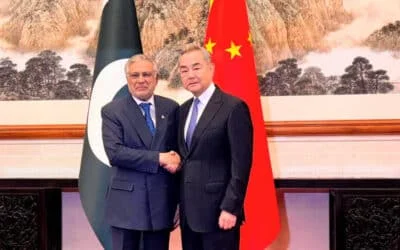
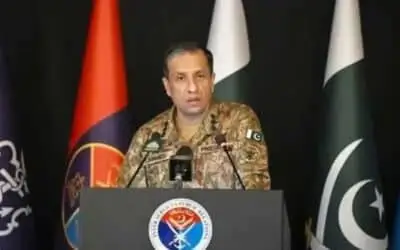
Source: Dawn
What did the Leaders Say?
Kim Jong-un reportedly stated that North Korea would fully support Russia’s actions in Ukraine, calling the war a necessary step against NATO’s expansion. He emphasized the need for anti-imperialist nations to unite against Western dominance.
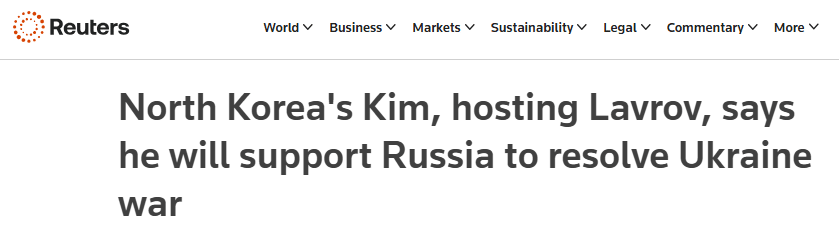
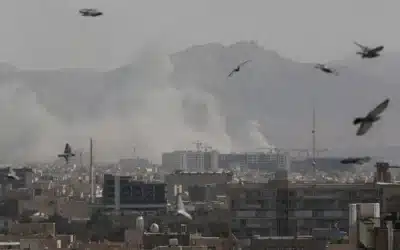
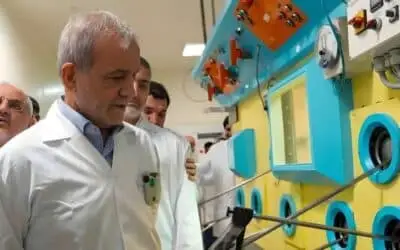
Source: Reuters
Vladimir Putin, in response, praised North Korea’s stance, calling it a “true partner” in challenging the U.S.-led global order. He hinted at deeper cooperation in defense and trade, though specifics were not disclosed.
This alignment is not entirely surprising, given that both nations face severe Western sanctions and have been seeking alternative alliances to counterbalance U.S. influence, and to deter NATO’s, actually United States’ and its allies, increasing influence in the region.
Impact on Ukraine’s Position against Russia
If North Korea follows through with military aid, it could provide Russia with much-needed ammunition and weaponry, easing some of Moscow’s supply shortages. Key potential impacts include:
- Increased Firepower: North Korea possesses large stockpiles of Soviet-era artillery shells and short-range ballistic missiles, which could replenish Russia’s dwindling supplies.
- Prolonged Conflict: Additional resources might allow Russia to sustain its offensive operations, making it harder for Ukraine to push back.
- Ukrainian Morale and Western Support: While Ukraine has relied heavily on Western arms, North Korean aid to Russia could prompt Kyiv’s allies to increase their military assistance further.
The quality, impact, and effectiveness of North Korean weapons in the battlefield remains uncertain; however, one thing is for sure, that another ally with Russia in its conflict against Ukraine is not good news. With Trump, relenting to provide more financial and military aid to Ukraine, the woes for Kyiv magnify.
How will the U.S., E.U., and N.A.T.O. Respond?
The U.S. and its allies have already condemned North Korea’s decision, warning of further sanctions and diplomatic repercussions.
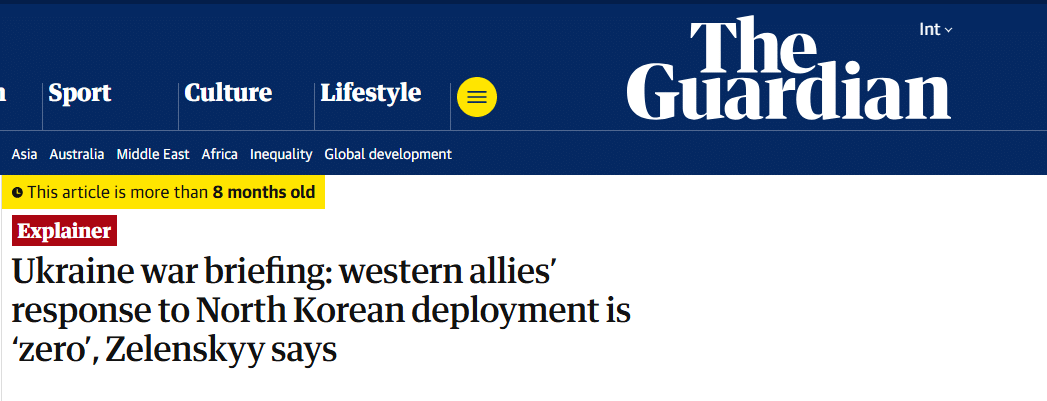
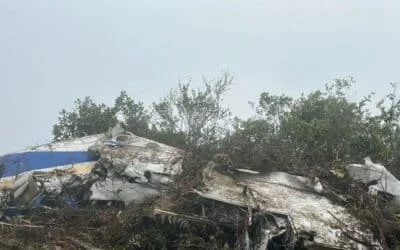
Source: The Guardian
Possible responses by the Western allies to potential North Korean involvement in the conflict include;
- Expanded Sanctions: The U.S. and EU may impose additional sanctions on entities facilitating arms deals between Russia and North Korea.
- Increased Military Aid to Ukraine: NATO countries might accelerate weapons deliveries, including long-range missiles and advanced air defense systems, to counterbalance Russian gains.
- Diplomatic Pressure on China: Since China has some influence over North Korea; Western nations may urge Beijing to discourage Pyongyang from aiding Russia.
- Cyber and Intelligence Operations: The U.S. could intensify efforts to disrupt arms shipments through cyber warfare or intelligence leaks.
The Biden administration has already labeled this development as a desperate move by Russia, highlighting its reliance on heavily sanctioned regimes.
Broader Geopolitical Consequences
The Russia-North Korea alliance signals a growing axis of anti-Western states, including Iran and Belarus, which could reshape global power dynamics. Key long-term implications:
- Strengthening of Authoritarian Blocs: More cooperation between sanctioned nations could lead to an alternative economic and military network outside Western control.
- Risk of Further Proxy Conflicts: If North Korea supplies weapons to Russia, it may encourage other nations to take sides, escalating global tensions.
- Impacts on Nuclear Proliferation: There are concerns that Russia might share advanced military technology with North Korea, potentially aiding its nuclear program.
Conclusion
North Korea’s decision to back Russia in the war against Ukraine marks a dangerous escalation, Moscow’s new friend in this war, further challenges the Western influence. While the exact extent of Pyongyang’s support remains unclear, the move has already triggered alarm in the U.S. and Europe, likely leading to stronger countermeasures.
For Ukraine, this development means an even tougher battlefield scenario, increasing dependence on Western support. Meanwhile, Russia’s deepening ties with North Korea highlight its growing isolation from the West and its reliance on other pariah states. As the conflict drags on, the world may witness further realignments amid the changing geopolitical dynamics, capable of altering the regional balance of power, and thereafter, globally. In short it is a trend that could define global politics for years to come.
The coming weeks will be crucial in determining whether North Korea’s promises translate into tangible military aid and how the West chooses to respond. One thing is certain: the Ukraine war is no longer just a regional conflict, it is becoming a battleground for a much larger geopolitical struggle.