




Azerbaijan’s state energy giant, SOCAR, has announced its readiness to supply liquefied natural gas (LNG) to Pakistan to help bridge a crippling energy deficit. The offer comes at a critical juncture, as Islamabad’s primary supply route through the Strait of Hormuz remains paralyzed by regional conflict, leaving several Qatari LNG vessels stranded.
The Energy Crisis
- SOCAR is prepared to dispatch LNG cargoes immediately upon a formal request from Pakistan LNG Limited (PLL).
- A 2025 framework agreement allows for an “accelerated procedure,” bypassing lengthy tendering for spot purchases.
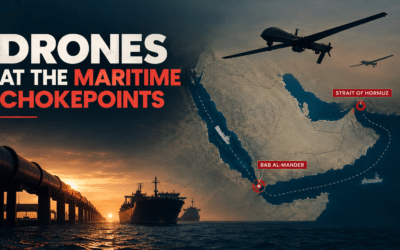
- Four LNG cargoes managed by Pakistan State Oil (PSO) are currently stuck in the Strait of Hormuz due to Iran’s renewed closure of the waterway.
- The gas drought has slashed output from LNG-fired power plants (6,000MW capacity) to a mere 500MW, causing nationwide load-shedding of 6–7 hours.
#BREAKING: Just in, Azerbaijan says it is ready to supply LNG to Pakistan. pic.twitter.com/Y1hIDqCVJM
— Ironclad (@NavCom24) April 21, 2026
Strategic Alternatives Amid Blockade
The Petroleum Division confirmed that Iran closed the Strait of Hormuz again after determining that the U.S. naval blockade—which Tehran labels as “piracy”—had not been fully lifted. This has disrupted the delivery of 8–10 loaded vessels currently held by QatarEnergy.
In the last 24 hours, only 3 ships made it through a waterway that normally handles about 138 to 140 a day. That isn’t really a reopening. It is a choke point that is still under pressure.
Hormuz is responsible for about a quarter of the world’s oil trade by sea, and the IEA… pic.twitter.com/Lw5IrxScqQ
— The Maritime (@themaritimenet) April 21, 2026
Federal Minister for Petroleum Ali Pervaiz Malik stated that the government is exploring all short-term volumes, including the SOCAR fast-track option. While SOCAR has not specified the source of the gas or the exact delivery timeline, the 2025 agreement provides a vital legal cushion for Pakistan to secure fuel without the typical delays of the international spot market.
Domestic Grid Under Pressure
The energy shortage has hit at the worst possible time, with peak summer demand pushing the national grid to its limits.
Electricity Shortfall: The country is facing a deficit of approximately 3,400MW.
Hydropower Decline: Reduced rainfall and limited reservoir releases have halved hydropower generation to 1,600MW compared to last year.
To prevent a total grid collapse, authorities have ramped up expensive furnace-oil generation and delayed maintenance on nuclear power plants.
While the “Islamabad Talks 2.0” offer a glimmer of hope for a diplomatic resolution to the Hormuz blockade, the immediate focus remains on securing alternative energy flows from partners like Azerbaijan and Saudi Arabia—the latter of which just deposited a second $1 billion tranche to bolster Pakistan’s foreign exchange reserves.
You May Like To Read: IDF Punishes Soldiers for Vandalizing Jesus’ Statue in Lebanon
Check out our latest video: