



IMF Managing Director Kristalina Georgieva announced on Thursday, April 9, 2026, that the Fund expects to provide up to $50 billion in emergency financial assistance to nations reeling from the Middle East war. Speaking at the start of the IMF and World Bank Spring Meetings in Washington, Georgieva warned that even if the current fragile ceasefire holds, there will be no “clean return” to the previous economic status quo. The lower bound of $20 billion in aid is contingent on the survival of the truce, but demand could surge to $50 billion as vulnerable economies struggle with the “asymmetric” shocks of skyrocketing energy costs and fractured supply chains.
“Given the spillovers of the Middle East war, we expect near-term demand for IMF balance-of-payments support to rise to somewhere between $20bn and $50bn, with the lower bound prevailing if the ceasefire holds,” IMF chief Kristalina Georgieva said.https://t.co/cog4ie9J4B
— Dawn Business (@dawn_business) April 9, 2026
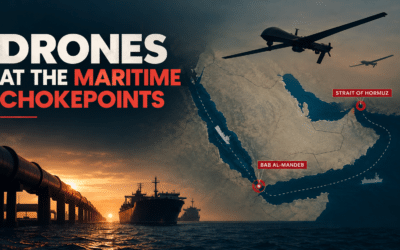
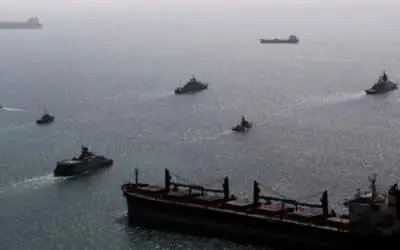
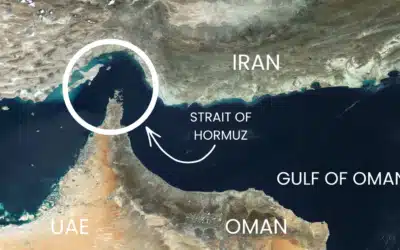
The economic toll is particularly severe for low-income energy importers and Pacific Island nations, who face critical fuel and food shortages. The IMF expects at least 45 million people to be affected by food insecurity due to disrupted fertilizer supplies and shipping bottlenecks in the Strait of Hormuz. Consequently, the Fund is set to downgrade its 2026 global growth forecasts while revising inflation targets upward. World Bank data further illustrates the crisis, projecting that regional growth, excluding Iran, will plummet to just 1.8 percent this year. As top-level energy coordination meetings loom on Monday, the IMF remains focused on addressing the “scarring effects” of infrastructure damage and lost market confidence that continue to threaten global stability.