




Syria’s Sudden Political Handover
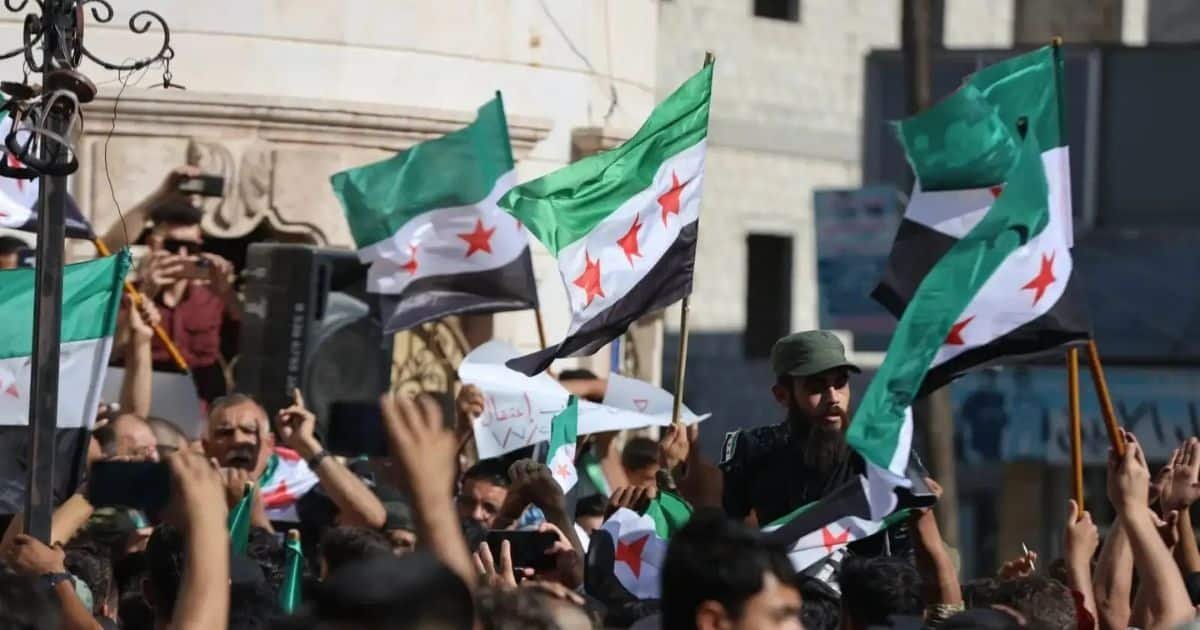
On 8 December 2024 armed opposition forces entered Damascus and within days the Assad government collapsed, forcing President Bashar al-Assad and members of his family to leave the country. What followed was a rapid and chaotic shift in control: rebel coalitions and Islamist groups moved to fill administrative gaps, while foreign backers scrambled to protect their interests in a country long used as a strategic foothold. These events mark a clear break with more than five decades of Assad family rule and instantly raise questions about who will govern Syria and how neighbouring states will respond.
Moscow’s Response, and the Push for Mediation
Russia, which intervened militarily in Syria in 2015 to bolster the Assad government, publicly urged restraint and the start of negotiated talks soon after the regime collapsed. Moscow has emphasised the need for an orderly political transition and protection of its military facilities in Syria, while opening diplomatic channels with new local authorities. Russian statements and recent contacts between Russian and Syrian leaders indicate Moscow’s aim to remain a power broker even as Damascus’s internal politics change.
Fragmented Authority on the Ground
The power vacuum inside Syria has not been filled by a single unified administration. Instead, a patchwork of local councils, insurgent coalitions and Islamist-led bodies have asserted control over towns and regions. In many places the “salvation” or transitional authorities announced by rebel groups lack the bureaucratic capacity to deliver basic services, leaving civilians to rely on emergency relief and neighbourhood networks. This fragmentation, combined with ruined infrastructure after years of fighting, creates an environment in which localized violence, lawlessness and predatory behavior can quickly re-emerge.
The Risk of Renewed Civil War
One of the gravest short-term dangers is that the fall of Assad could trigger renewed large-scale fighting as former regime loyalists, militias and extremist factions contest territory. The Syrian state apparatus did not disappear overnight; pockets of armed loyalists and militias with local knowledge, weapons and grudges remain. External patrons, chiefly Iran, Turkey, and various Gulf states, retain the ability to fund, arm or sponsor proxies. That external backing can both stabilise and escalate conflict, depending on whether it is directed toward containment and integration or toward territorial advantage and revenge. The result could be another prolonged low-intensity war that devastates civilians and stalls reconstruction.
You May Like to Read: Syria Prepares for First Post-Assad Parliament Election
The Threat of Islamist Ascendancy
Islamist groups, notably those with battlefield experience and tight organization, benefited from the collapse of central authority and have been prominent among the rebel factions that advanced. Their ability to impose order in some liberated areas, and to mobilise fighters and resources quickly, gives them leverage in post-Assad arrangements. If these groups dominate the political transition, Syria risks not only renewed repression under a different banner but also the export of extremist ideologies across borders and into fragile states in the region. International actors face a difficult choice: engage pragmatically with powerful local actors to secure stability, or insist on exclusionary policies that could push such groups further toward militancy.
How Regional Alliances are Shifting
The collapse of Assad has forced a realignment of regional relationships. Iran and Hezbollah, long reliant on Syria as a land bridge to Lebanon, have lost a compliant partner and are reassessing their posture. Turkey, which has invested in Syria’s northern opposition and hosts millions of Syrian refugees, sees both risks and opportunities: preventing Kurdish statehood, expanding influence among Sunni groups, and controlling refugee flows. Gulf states and Qatar have quietly reopened channels to some Syrian opposition leaders, balancing between pragmatic engagement and ideological caution. For Pakistan, its relationships in the region are likely to be shaped by pragmatic needs, stability, trade routes and refugee management, rather than ideological signaling. Overall, the region is moving toward a more transactional and multipolar order, where local armed actors and outside patrons negotiate ad hoc arrangements rather than a single, stabilising power centring Damascus.
The Great-Power Contest, and the Limits of Influence
The immediate aftermath showed that even powerful states face limits in shaping Syria’s future. Russia still commands military assets in Latakia and Tartus, and has sought guarantees about its bases. But the speed of Assad’s fall exposed gaps in Moscow’s political intelligence and underscored the cost of overreliance on a single client regime. Western powers, which opposed Assad for years, must decide whether to engage with new de facto authorities for humanitarian and stabilisation reasons, while safeguarding against empowering hardline Islamist elements. The United States and European actors face a balancing act between sanction leverage, counter-terrorism priorities and the moral imperative to help civilians.
Humanitarian and Reconstruction Challenges
Beyond politics, Syria faces a humanitarian catastrophe with displaced populations, food insecurity and ruined public services. Humanitarian agencies warn that without secure access and functioning local institutions, relief cannot reach those who need it most. Reconstruction will be costly and politically fraught; the question of who pays, foreign governments, private investors, or Syrians themselves, will hinge on who is recognised internationally as the legitimate authority. Donor reluctance and sanctions regimes make large-scale reconstruction financing politically sensitive and slow to materialize, prolonging misery and hampering return.
You May Like to Read: UN Raises Alarm Over Syria’s Deepening Humanitarian Crisis
Policy Choices for Pakistan, and the International Community
For Pakistan and other regional states, the pragmatic priority should be stability and the protection of civilians. Pakistan’s response can focus on humanitarian assistance, careful diplomacy, and coordination on refugee issues without appearing to take sides in internal Syrian disputes. International actors should prioritise inclusive political talks that bring local councils, moderate opposition voices and community leaders into negotiations, while maintaining clear red lines on terrorism. A sustainable settlement requires sequencing: ceasefires, localized stabilization, humanitarian access, and only then political transition and reconstruction planning.
Concluding: A Fragile Path Ahead
Syria’s post-Assad period is neither a clean break nor an assured path to democracy. It is a fragile moment in which competing armed factions, external patrons and humanitarian collapse create a high risk of renewed violence or the entrenchment of authoritarian Islamist rule. The international community must temper short-term tactical gains with a long-term strategy that supports governance, justice and reconstruction while limiting the space for extremist actors. For Pakistan and neighbours, the strategic imperative is clear: back efforts that reduce suffering, stabilise borders and encourage political inclusion rather than zero-sum contests over influence. The decisions taken now will shape not only Syria’s future, but the balance of power across a multipolar Middle East.
Check out our latest video: