




A Growing Crime with a Local Price
Illegal logging and unregulated sand mining are not just environmental problems in Pakistan, they are organised activities with clear criminal supply chains. Timber and sand are high-demand commodities for construction and energy; when weak governance meets poverty and market demand, networks of suppliers, transporters and corrupt officials step in to extract profit, often through violence or coercion. These operations strip natural protections from riverbanks and hillsides, making communities more vulnerable to floods and droughts.
You May Like to Read: Environmental Lawfare in Pakistan: How a New Generation of Legislation is Fighting the Timber Mafia
Forest Loss that Worsens Floods
Pakistan has lost significant tree cover in the past two decades, and much of that loss has links to logging, legal and illegal. Forests act as sponges and anchors, as they slow water, hold soil and reduce run-off. Where those forests have been degraded, rainfall runs off faster into rivers and gullies, raising flood peaks and accelerating erosion. Recent analyses and coverage of Pakistan’s 2025 flood episodes have repeatedly pointed to depleted forests and weakened upstream protection as factors that amplified the damage communities suffered.
You May Like to Read: Pakistan Faces Critical Environmental Threat as Forest Cover Falls by 18% Since 1992
Rivers Hollowed Out By Sand Mafias
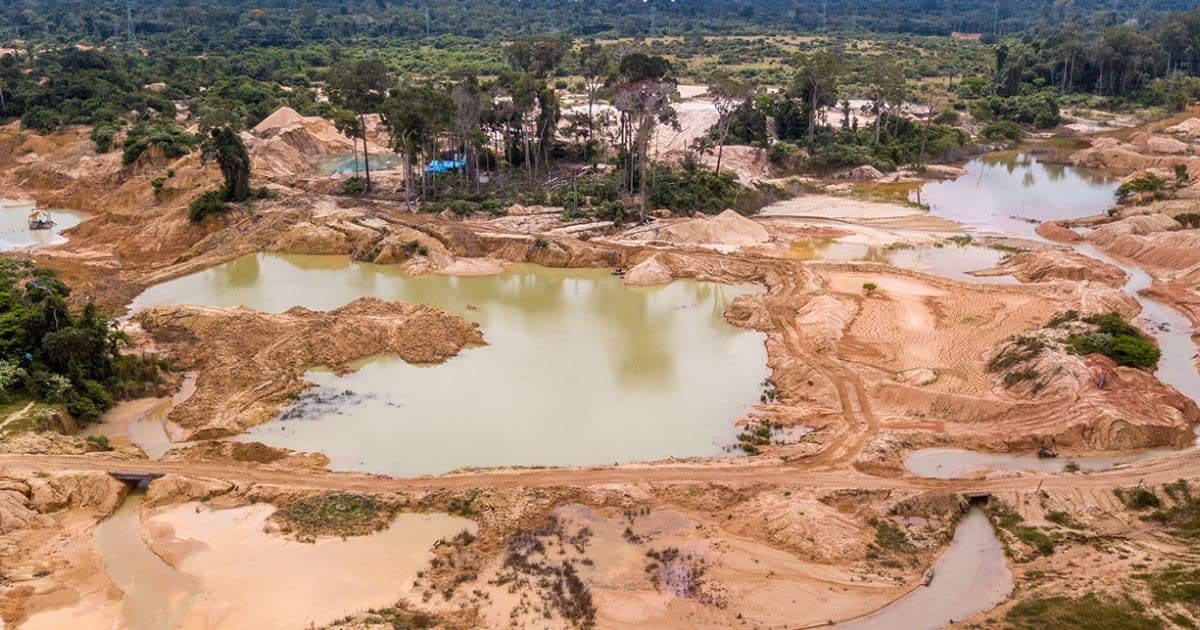
Sand is the invisible backbone of construction, and the same demand that fuels apartment towers also drives riverbed mining. Unregulated extraction lowers riverbeds, undermines banks, destroys fish habitat, and removes a natural buffer against high flows. In provinces where enforcement is weak, local “sand mafias” operate with heavy machinery, sometimes working at night, and often with political cover. Officials in Punjab and elsewhere have at times launched crackdowns, but the economic incentives and the lack of safe, alternative livelihoods make enforcement a stop-start affair.
Climate Change Meets Crime
Climate change is increasing the intensity and irregularity of monsoon rains and melting mountain ice, producing both heavier downpours and faster flash floods in some areas. When natural buffers like forests and intact floodplains are removed by criminal extraction, the system loses resilience. The result is a feedback loop: extreme weather damages livelihoods, pushing more people into informal extraction for income; that extraction reduces resilience, making the next disaster worse. Reporting from recent flood events in 2025 shows this dynamic clearly in affected districts.
You May Like to Read: Climate Litigation and Environmental Justice: The Emerging Role of Courts in Addressing Pakistan’s Ecological Crisis
Governance Gaps, and the Politics of Enforcement
This is not merely a technical problem of policing. Illegal environmental extraction thrives where oversight is fragmented, laws are vague, and local administrations are under pressure from influential actors. Cases show how weak permitting systems, inconsistent penalties, and sometimes direct collusion permit criminal networks to flourish. Short-term revenue gains for local strongmen or even officials can look attractive compared with long-term ecosystem stewardship, especially where budgets are tight and political accountability is diffuse. International frameworks and UN reports classify these activities as part of the larger rise in environmental crime, a global problem that demands legal, institutional and financial responses.
Human Costs Beyond Property Loss
When rivers flood or slopes fail, the immediate toll is loss of life, homes and crops. But the human costs run deeper: displacement, loss of grazing land and fisheries, spikes in waterborne disease, and the erosion of livelihoods drive social instability. In many of the worst-hit communities, families report being forced into risky work or migrating to cities. The poorest bear the brunt of both the crime and the climate shocks, a stark reminder that environmental crime is also a social justice issue. Recent coverage of Punjab’s 2025 floods highlight these cascading harms and the long recovery many families now face.
The Way Forward
There are no simple fixes, but several practical directions stand out. First, stronger, coordinated enforcement, with transparent permitting, real-time monitoring and clear penalties, can raise the cost of illegal extraction. Second, community-based forest management and alternative livelihood programs reduce the need for locals to rely on illicit work. Third, restoration of river buffers, reforestation and stricter riverbed protections rebuild natural defenses. Finally, tackling the demand side, by regulating construction supply chains and promoting sustainable materials, shrinks the market that fuels mafias. These measures demand political will and resources, but the cost of inaction is already visible in repeated disasters.
You May Like to Read: Climate Change as an Economic Crisis: Is Pakistan Ready for Green Industrialisation?
Concluding: A National Interest in Nature Protection
Organised environmental crime and the climate crisis are now joined at the hip in Pakistan. Stopping timber and sand mafias is not only an environmental imperative; it is a matter of public safety, economic stability and national resilience. Pakistan can reduce future disaster losses by treating ecosystem protection as infrastructure, investing in forests, floodplains and river health with the same seriousness it gives to roads and dams. That shift will require enforcement reforms, community partnerships and policies that reduce the economic incentives for illegal extraction. The alternative is more damage, repeated recovery cycles, and rising human cost.