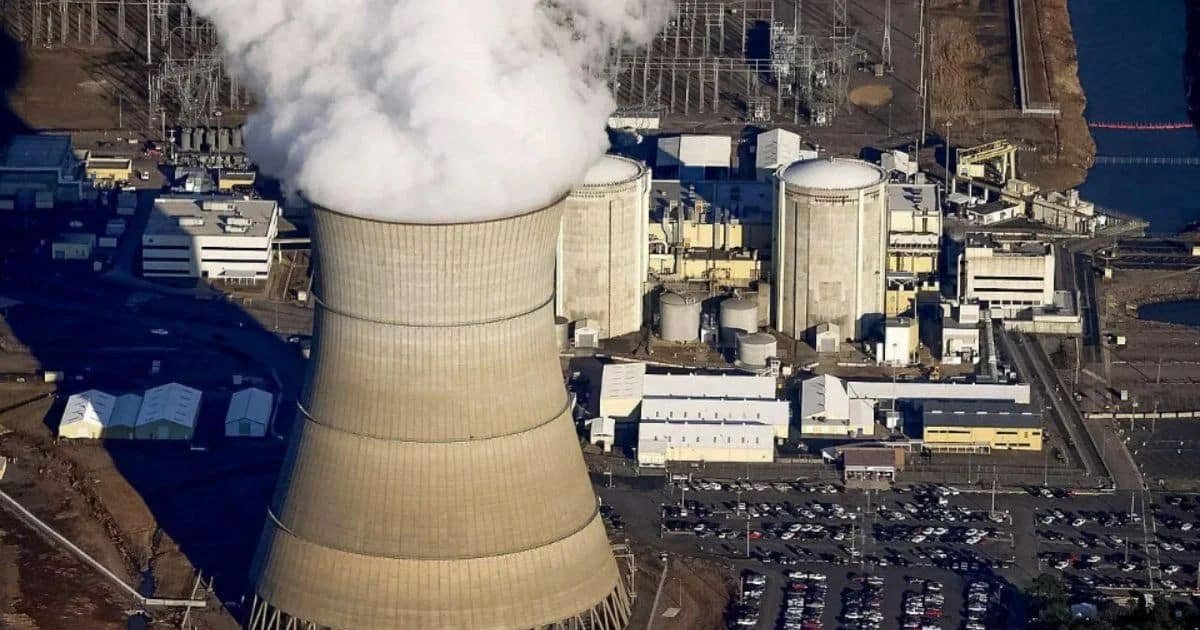





Tokyo Electric Power Company (TEPCO) successfully restarted the No. 6 reactor at the Kashiwazaki-Kariwa nuclear power plant in Niigata Prefecture. The reactivation occurred at 2:00 PM local time, marking the first time a TEPCO-owned reactor has operated since the 2011 Fukushima Daiichi disaster. The 1,360-megawatt Advanced Boiling Water Reactor (ABWR) reached criticality, a self-sustaining nuclear chain reaction—later that afternoon at 3:20 PM.
This successful restart follows a “false start” in late January 2026. The unit was briefly activated on January 21 but was manually shut down just five hours later after a sensitive monitoring system triggered an alarm. TEPCO’s investigation revealed that the malfunction was not a mechanical failure but a setup error in a new inverter system installed in 2023. The sensors, designed to monitor the motors moving the reactor’s control rods, were set to a level of sensitivity that detected harmless, minor fluctuations in electrical current as abnormalities.
🇯🇵🇯🇵⚡Japanese utility Tokyo Electric Power Co. restarted a reactor at the world’s biggest nuclear power plant, after an issue last month delayed the process.
The No. 6 reactor at its Kashiwazaki Kariwa Nuclear Power Plant began to resume at 2 p.m. local time, according to the… pic.twitter.com/a9tn7znPFk
— Wolf Brief (@wolfbrief_) February 9, 2026
The restart is a pillar of Prime Minister Sanae Takaichi’s energy strategy, which aims to use nuclear power to meet the high electricity demands of Japan’s growing artificial intelligence sector and reach carbon neutrality by 2050. While the plant has been fitted with a new 15-meter seawall and enhanced anti-terrorism measures, local public opinion remains divided, with nearly 60% of regional residents still expressing safety concerns.
You May Like To Read: