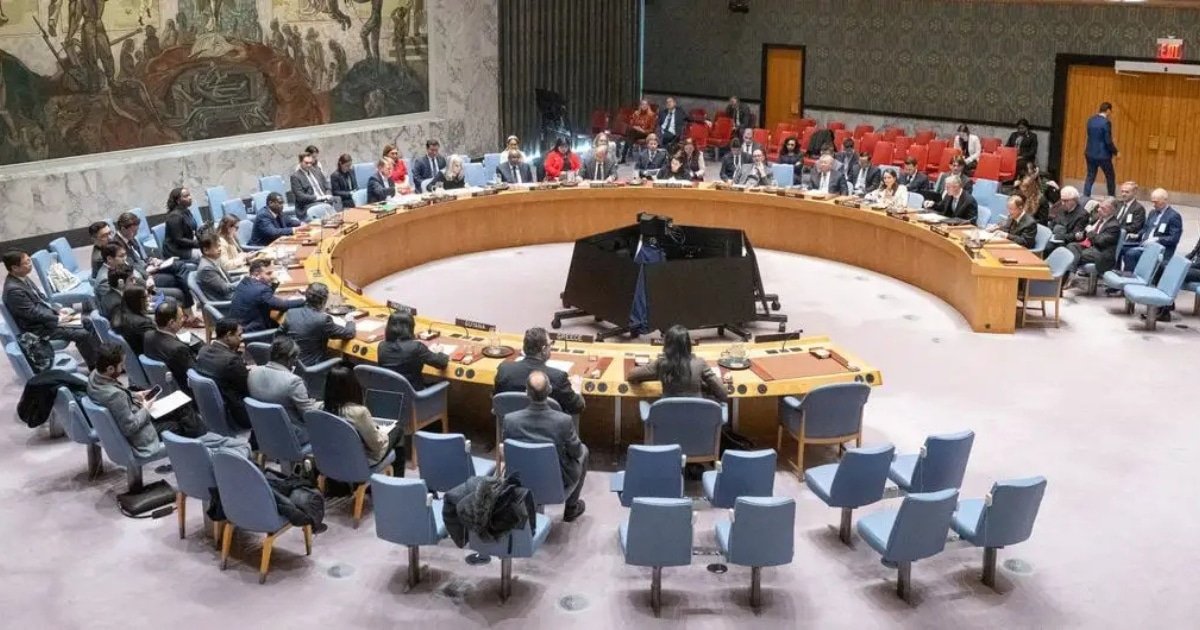


The selection process for the tenth United Nations Secretary-General is underway, with global attention focused on whether the choice will signal institutional renewal, particularly regarding gender equality, or merely reflect geopolitical compromise.
The election, which will determine the successor to António Guterres starting January 2027, has been framed by a historic joint invitation from the Presidents of the General Assembly and the Security Council. Issued on November 25, 2025, the letter explicitly encourages member states to nominate a woman, noting that all nine previous leaders of the 80-year-old organization have been men.
Amid deepening stalemates, the Security Council was urged to look to its own past – when it chose leaders capable of steering the world away from catastrophe.
Former UN chief Ban Ki-moon called for reform and a stronger Secretary-General.https://t.co/CLEwxoNzzN— UN News (@UN_News_Centre) December 15, 2025
Historic Moment for Gender Equality
Calls for a woman to lead the UN have reached an unprecedented peak. Leaders at the 80th UN General Assembly, including Estonia’s President Alar Karis and Slovenia’s President Nataša Pirc Musar, strongly endorsed this shift, linking it to efforts to strengthen the organization’s overall relevance.
Rebeca Grynspan, formally nominated by Costa Rica, has become a prominent figure in this narrative, challenging the organization to allow merit, inclusivity, and equal treatment to prevail.
Credibility, and Crisis Leadership at Stake
The urgency of this transition is amplified by intense scrutiny of the UN’s handling of recent crises, particularly the ongoing situation in Gaza. Many diplomats and analysts suggest that selecting a candidate associated with empathy, inclusivity, and a focus on humanitarian concerns—qualities often attributed to female leaders—could help restore public trust in the organization’s leadership capabilities.
King Abdullah II of Jordan described the situation in Gaza as “one of the darkest moments in the history of the organisation,” underscoring the high stakes for the next Secretary-General’s credibility.
Geopolitics, and the P5 Veto
Despite widespread support for gender balance, the final outcome remains contingent on the five permanent members (P5) of the Security Council—the United States, China, Russia, the United Kingdom, and France—who wield veto power.
- United States: Deputy US Ambassador Dorothy Shea emphasized a “purely merit-based” process focused on institutional reform and aligning the UN with foundational visions of peace.
- Russia and China: Both nations have stated that while they would welcome female candidates, they maintain that merit must come before gender, and they seek to retain the customary practice of regional rotation, which currently favors the Latin America and Caribbean grouping.
This powerful intersection of gender advocacy, regional tradition, and geopolitical interests means any viable candidate must navigate the strategic visions and red lines of all P5 members to secure the nomination.
Regional Rotation, and Latin America’s Push
The informal but influential norm of regional rotation suggests that the post should next go to a candidate from the Latin American and Caribbean region. This practice is strongly supported by leaders like Chile’s President Gabriel Boric, who has framed the selection as “Latin America’s moment.” Costa Rica’s nomination of Grynspan further solidifies this regional push.
You May Like To Read: The Political Economy of South Asian Trade: Pakistan’s Role in SAARC’s Stagnation
The nomination process will continue into 2026, with secret straw polls in the Security Council revealing preference patterns and potential vetoes before the final General Assembly vote.