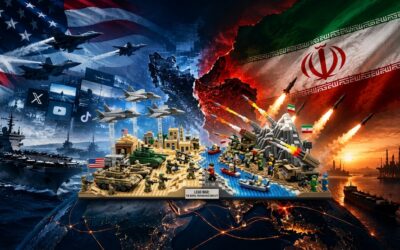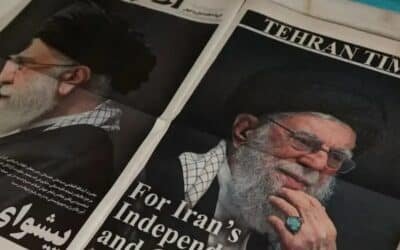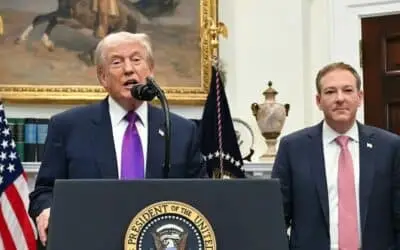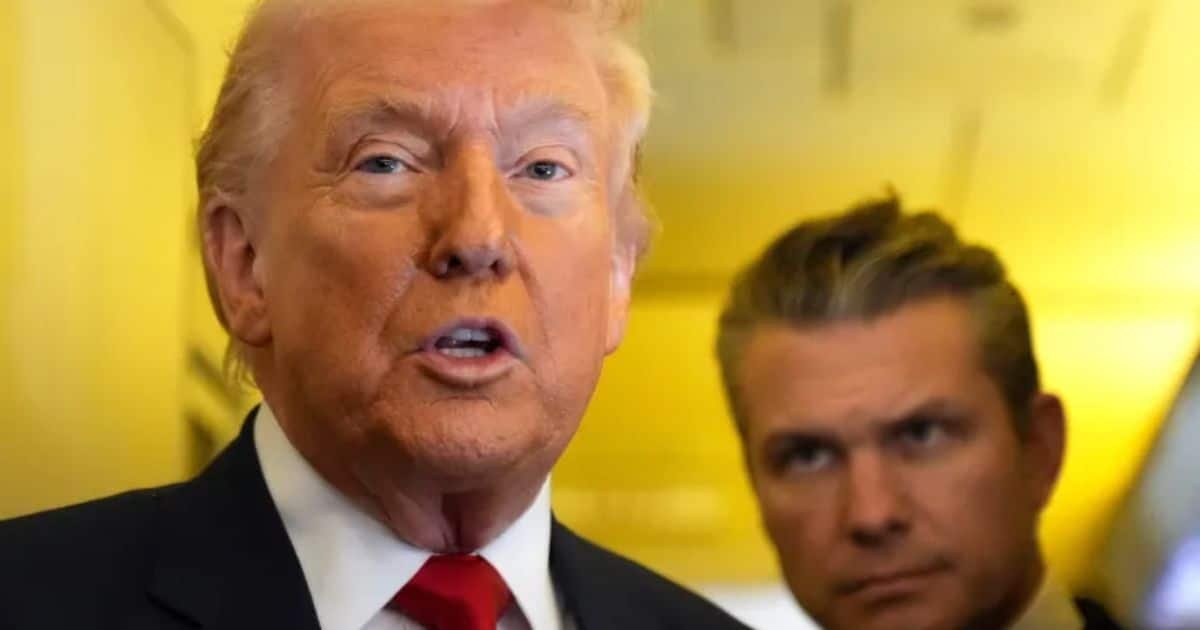





President Donald Trump sparked international controversy by insisting he must have a direct say in appointing Iran’s next Supreme Leader. Following the assassination of Ayatollah Ali Khamenei, Trump explicitly rejected the late leader’s son, Mojtaba Khamenei, calling him a “lightweight” and “unacceptable.” In an interview with Axios, Trump compared his desired level of involvement to recent interventions in Venezuela, warning that a failure to find a leader who brings “harmony” would result in continued war. Iranian Foreign Minister Abbas Araghchi responded sharply on X, stating that the U.S. plan for a rapid victory has failed and that “Plan B will be an even bigger failure.”
🚨 BREAKING:
U.S. President Donald Trump says Mojtaba Khamenei, son of Iran’s late Supreme Leader, is “a lightweight” and “unacceptable” as Iran’s next leader.
Trump added that he must be personally involved in choosing Iran’s future leadership, comparing it to the U.S. role in… pic.twitter.com/orimj5oidG— Iran Times (@Irantimes72) March 6, 2026
As the political maneuvering intensifies, the humanitarian situation in Iran has reached a critical point. The death toll from U.S.-Israeli strikes has risen to 1,230, with reports indicating that schools, hospitals, and even a football stadium in Tehran have been destroyed. The WHO confirmed 13 verified attacks on health infrastructure, while the country’s internet remains at just one percent capacity. In a display of continued resistance, the IRGC claimed to have struck the USS Abraham Lincoln and a U.S. oil tanker, though the Pentagon has downplayed or denied several of these military claims.
The regional impact has now paralyzed global shipping. Maritime unions have designated the Strait of Hormuz and the Persian Gulf as a “warlike operations area.” According to the UN’s International Maritime Organization, the conflict has left approximately 20,000 seafarers and 15,000 cruise passengers stranded in these volatile waters. With Ben Gurion Airport and various U.S. bases across the Gulf facing incoming Iranian fire, the “broad wave” of strikes continues to reshape the Middle East with no immediate end in sight.
You May Like To Read: