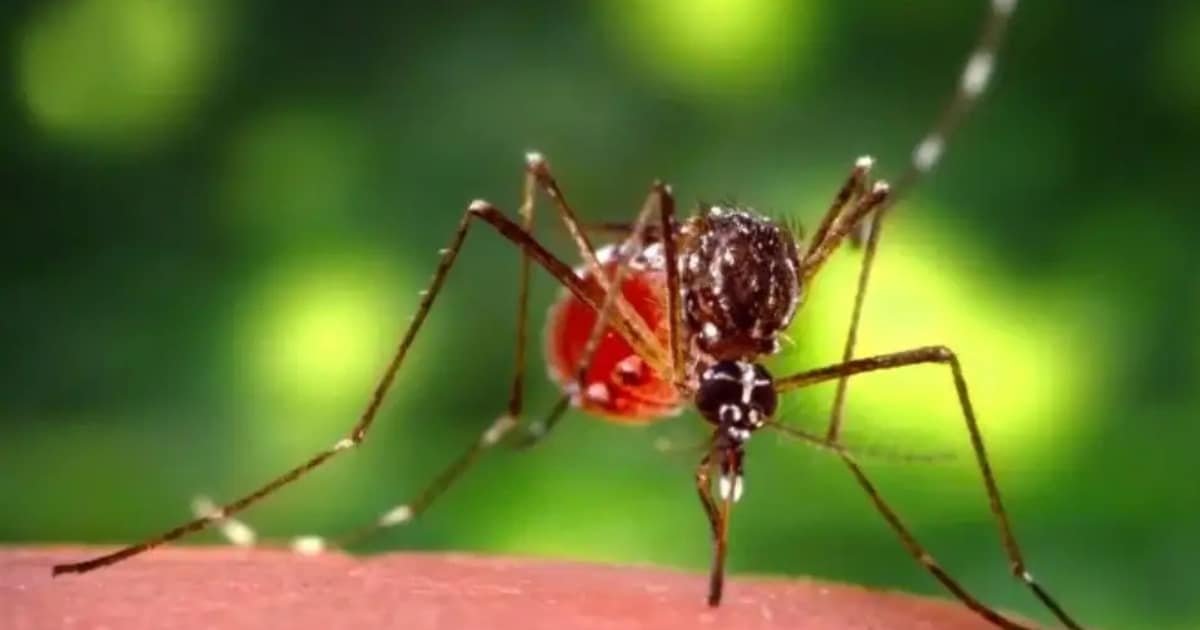





The World Health Organization (WHO) confirmed that global chikungunya cases have surpassed 502,264 this year, with nearly 300,000 of those reported in the Americas alone. The virus has spread to 41 countries and territories, resulting in 186 deaths and prompting health officials to classify the global risk as moderate. Brazil remains the primary epicenter of the current surge, accounting for approximately 84% of cases in the Americas. This resurgence is being driven by favorable environmental conditions for Aedes mosquitoes, limited immunity in newly affected regions, and increased human mobility. Beyond the Americas, significant outbreaks were logged in Southeast Asia and Europe, with the WHO emphasizing that while the fatality rate is low, the potential for long-term joint disability remains a serious public health concern.
More than half a million chikungunya cases reported globally in 2025
Through December 10, the world has seen 502,264 chikungunya cases worldwide, with 291,451 in the Americas region alonehttps://t.co/ho8xFI9IMv pic.twitter.com/9rBhulNZCJ
— CIDRAP (@CIDRAP) December 30, 2025
The same reporting period marked two major milestones in pandemic preparedness and animal health. For the first time, the WHO has prequalified two rapid antigen tests for COVID-19, the SD Biosensor Standard Q and the ACON Biotech Flowflex, which will significantly expand diagnostic access in low- and middle-income countries. Meanwhile, the U.S. Department of Agriculture confirmed that highly pathogenic avian influenza has struck five additional states, including a major outbreak on a Maryland broiler farm affecting over 96,000 birds. Suspected die-offs of wild geese in Iowa and swans in Florida are also under investigation, signaling a persistent threat to both commercial poultry and local wildlife as the year draws to a close.
You May Like To Read: Thailand Accuses Cambodia of Breaking Newly Signed Border Ceasefire
Check out our latest video: