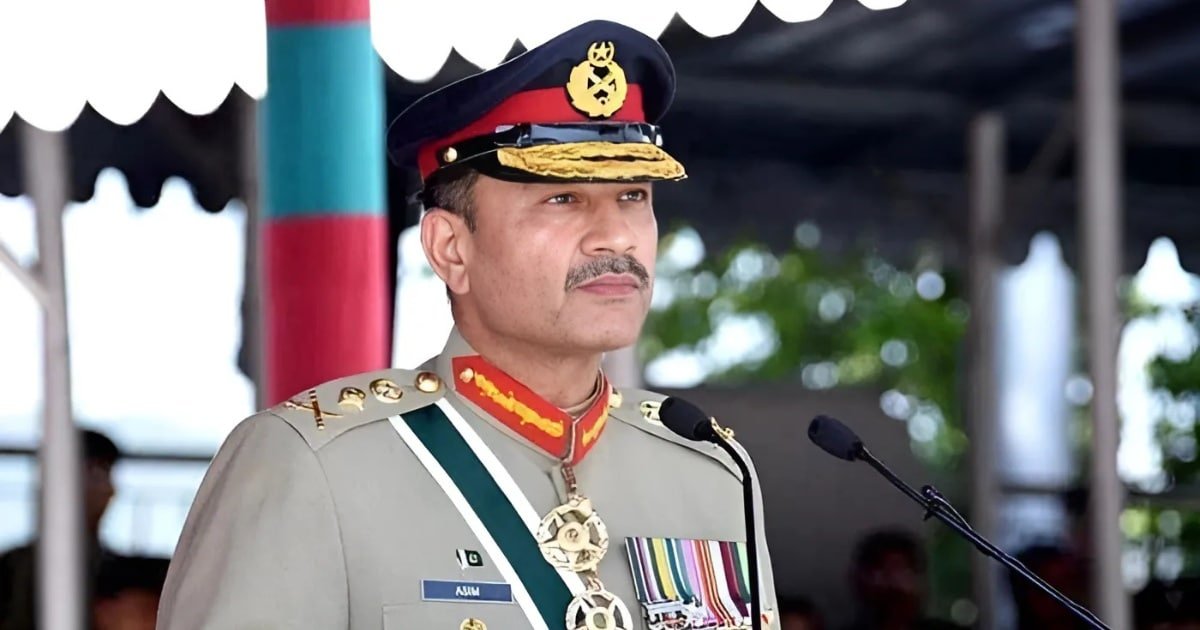





In a major diplomatic development, Pakistan’s Chief of Army Staff (COAS) Field Marshal Syed Asim Munir is set to visit the United States to attend the CENTCOM change of command ceremony in Tampa, Florida. This marks his second U.S. visit in just two months, following a landmark meeting with former President Donald Trump, signaling a potential reset in Pakistan–U.S. military ties after years of strained relations.
The visit comes at a time when Pakistan is strategically positioning itself between its traditional alliance with China and a renewed openness to the West, particularly Washington.
Rebuilding Strategic Ties Through Military Channels
Military-to-Military Diplomacy
This trip underscores the importance of military diplomacy in U.S.–Pakistan relations. Earlier this year, CENTCOM Commander General Michael Kurilla referred to Pakistan as a “phenomenal partner in counter-terrorism” and was awarded the Nishan-e-Imtiaz (Military) during a visit to Islamabad. Kurilla praised Pakistan’s role in capturing ISIS-K operatives, strengthening bilateral counterterrorism cooperation.
General Munir’s presence at CENTCOM’s leadership transition reflects the renewed importance of institutional ties between the Pentagon and Pakistan’s powerful military establishment.
Economic Diplomacy: Balochistan’s Minerals
Earlier U.S. was offered access to Balochistan’s mineral assets, pitching Pakistan as a strategic source of rare earth elements needed to counter China’s supply chain dominance. The proposal—estimated to yield $15 billion annually—is seen as a major incentive for U.S. engagement in South Asia’s economic landscape.
You May Like To Read: Tragedy Strikes Off Yemen Coast as Migrant Boat Sinks, 76 Dead
Symbolism and Strategy Behind the Visit
From Isolation to Engagement
Field Marshal Syed Asim Munir’s Washington trip is not merely ceremonial. It signifies a symbolic return to engagement following Pakistan’s years of diplomatic estrangement from the U.S., especially under the Biden administration. The luncheon hosted by Donald Trump for Munir in June—unprecedented for a Pakistani general—further indicates Washington’s interest in rebalancing ties in South Asia.
A Tactical, Not Ideological, Partnership
Historically, U.S.–Pakistan relations have been transactional, with both nations cooperating when mutually beneficial, particularly in defense and intelligence. This pragmatic model appears to be resurfacing, focusing on counterterrorism, critical minerals, and regional stability.
Future Outlook: Opportunity or Mirage?
Reopening Economic Channels
Field Marshal Syed Asim Munir’s June trip also laid the groundwork for trade and energy cooperation. The two sides reportedly discussed lowering U.S. tariffs on Pakistani goods and exploring oil reserves in Balochistan. If institutionalized, this could broaden economic engagement beyond traditional military assistance.
Potential Arms Sales and Strategic Intelligence Sharing
With discussions underway to resume limited arms sales, the U.S. may again become a supplier of military equipment to Pakistan—especially in areas where Chinese systems have proven inadequate. Enhanced intelligence-sharing is also on the table, particularly regarding terror threats in Afghanistan and Iran.
You May Like To Read: The Decline of U.S. and China’s Soft Power in a Multipolar World
Regional Tensions and Diplomatic Balancing
India’s Strategic Alarm
India has expressed concern over the thawing U.S.–Pakistan relations, particularly after Trump’s open engagement with Munir. Some Indian analysts view it as a strategic realignment that could upset regional power balances. There is speculation that India may even recalibrate its relations with China in response.

Source: Reuters
Walking the Tightrope Between China and the U.S.
Pakistan continues to benefit from deep Chinese investments through the China-Pakistan Economic Corridor (CPEC), and over 80% of its military imports come from China. Yet, Munir’s diplomatic overtures suggest an effort to diversify Islamabad’s partnerships, rather than replace Beijing with Washington.
As noted in the Express Tribune, Pakistan is now caught in a balancing act between Beijing and Washington, seeking to benefit from both relationships without alienating either.
Conclusion: From Distance to Diplomacy
Field Marshal Syed Asim Munir’s CENTCOM visit marks a significant diplomatic re-engagement between Pakistan and the United States. While still early in its development, this warming of ties could reshape South Asian geopolitics—particularly if followed by sustained cooperation in trade, counterterrorism, and energy.
Despite the risks—ranging from India’s apprehensions to domestic skepticism—Pakistan’s strategy of leveraging its geopolitical position and resource potential appears to be resonating in Washington.
Whether this leads to a stable strategic partnership or remains another episode in the cyclical U.S.–Pakistan relationship remains to be seen. But for now, the message is clear: Islamabad is back on Washington’s radar, and it’s playing its cards with calculated precision.