

What the Leaked Video Showed, and Who was Detained Over It
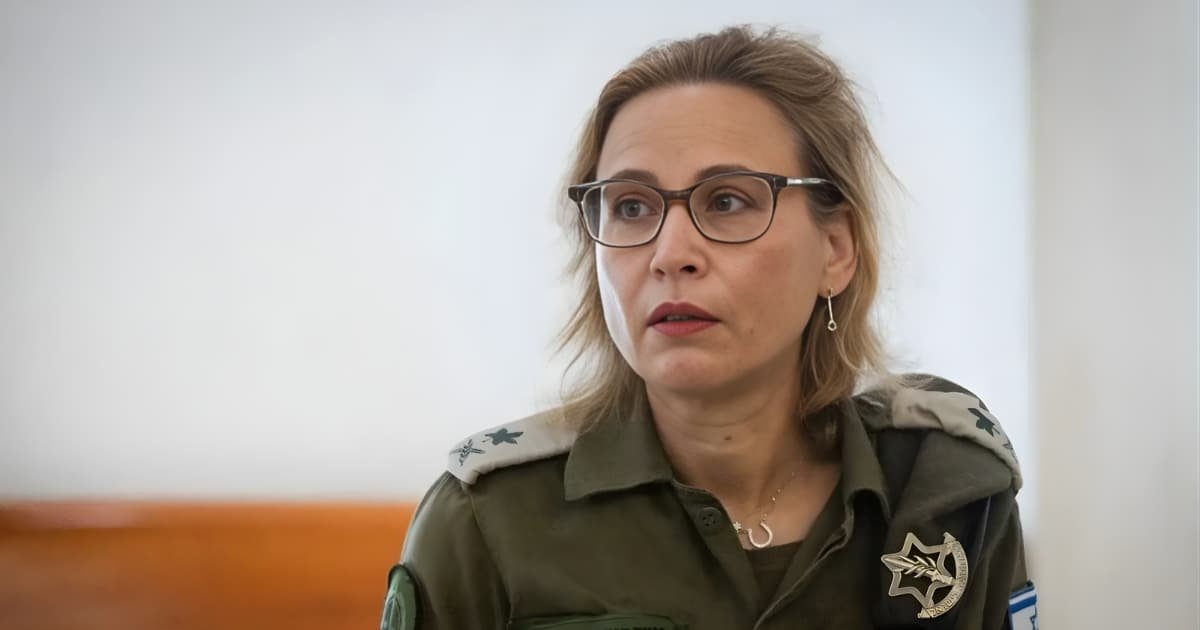
A video leaked to Israeli television earlier this month showed masked soldiers leading a bound Palestinian detainee into a room at the Sde Teiman detention facility and scenes that several outlets described as physical and sexual abuse. The footage, which Israeli officials say came from inside the military legal system, prompted the arrest of the Israeli military’s former top legal officer, Major General Yifat Tomer-Yerushalmi, after she admitted to passing the material to the media. The footage sharpened a debate inside Israel about how the army polices its own troops, and it prompted criminal charges and a formal internal investigation.
Injuries, Prosecutions and Official Actions
Israeli authorities say at least five reservists have been investigated and charged in connection with the abuse shown in the footage, and prosecutors have opened or expanded inquiries into the conduct of soldiers at Sde Teiman. Reports say the detainee required surgery for serious injuries, and the leaked images added to earlier accusations, compiled by rights groups and U.N. bodies, that mistreatment in Israeli custody has been widespread since the Gaza war began. At the same time, the decision to arrest and prosecute a senior military lawyer who leaked the recording has inflamed domestic politics and raised questions about whether the response focuses more on the act of leaking than on preventing future abuse.
The Political Reaction inside Israel
The leak touched off a political firestorm. Hard-line politicians and some segments of the public argued that the leak undermined troop morale and harmed Israel’s security reputation, accusing the leaker of betrayal. Others, including opposition figures, military critics, and human rights advocates, defended the decision to expose the footage, saying it was necessary to end impunity and force accountability in places where alleged abuses had long been whispered about. That polarised reaction has complicated the military’s ability to present itself as a neutral enforcer of law within a politically charged environment.
Why this matters for Military Ethics in Long Wars
When wars stretch on, norms that govern the treatment of civilians and prisoners can fray. Commanders under pressure, reserve units hastily mobilised, and opaque detention arrangements all raise the risk that individual misconduct becomes systemic. The Sde Teiman case illustrates how a single piece of footage can expose deeper institutional failures: it is not merely one incident but a moment that forces questions about training, oversight, record-keeping and whether commanders tolerate or tacitly encourage unlawful behaviour. The long-running conflict in Gaza has repeatedly raised these same concerns in international reporting and legal reviews.
International Scrutiny and the ICC Context
The leak arrives against a backdrop of unprecedented international legal pressure. The International Criminal Court has sought arrest warrants in relation to the Gaza war, a development that has intensified scrutiny of Israeli military conduct from capitals, courts and human rights bodies. Israeli officials say some of that scrutiny is politically motivated; critics say it underscores why accountability at home matters, both to meet international law and to protect soldiers and commanders from sweeping external legal actions that derive from perceived failure to investigate abuses credibly. The ICC warrants and the court’s ongoing inquiries have become a persistent external pressure point in diplomatic and legal debates.
The balance between Secrecy, Whistleblowing and Law
The arrest of a military lawyer who leaked evidence to the press raises hard questions about how states should handle internal wrongdoing. Leaks can be a last resort where internal channels are blocked or ineffective; they can also undermine investigations if handled recklessly. Democracies face a dilemma: protect lawful confidentiality needed for security, while ensuring that secrecy does not become a shield for crimes. The Israeli case shows both sides: prosecutors argue unauthorised disclosures can jeopardise evidence and endanger lives; defenders of the leak argue that some forms of institutional secrecy serve to hide misconduct rather than to secure justice.
What Pakistani Readers should watch for next
For observers in Pakistan and across the region, the immediate questions to follow are straightforward: will Israel’s military justice system prosecute all responsible personnel; will investigations be independent and transparent; and will this episode change detention practices in the field? How foreign governments and courts respond, including whether international investigations gain new momentum, could affect the wider legal and diplomatic fallout. The facts already reported show charges and internal probes, but many families, activists and legal monitors will be watching to see whether accountability is real and lasting.
A Broader Lesson about Rule of Law in Conflict
Beyond any single incident, the scandal points to a broader lesson: preserving rule of law during conflict requires constant effort. States that wish to maintain moral authority and avoid legal isolation must show that allegations are investigated swiftly, evidence is preserved, and outcomes are open to scrutiny. Otherwise, the combination of documented abuses and the perception that senior officials silence critics can deepen international isolation and fuel cycles of retaliation and mistrust. For Pakistan’s readers, who follow international justice developments closely, the case is a reminder that no military is immune from the pressures that long wars create, and that domestic accountability matters as much as international censure.
Conclusion: Accountability or Obfuscation?
The leaked Sde Teiman footage forced difficult truths into public view. It also exposed the fraught choices governments make when confronting their own possible crimes: prosecute domestically in a way that convinces outsiders, or try to muzzle critics and risk damaging credibility further abroad. The coming weeks will test whether Israel can show transparent, fair legal process without political interference, and whether the international legal system will find the evidence it needs to act. For now, the story remains a sharp reminder that in protracted conflicts ethics and law are fragile and must be defended both by institutions and by individuals willing to expose wrongdoing.
You May Like to Read: