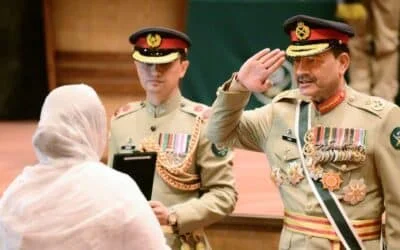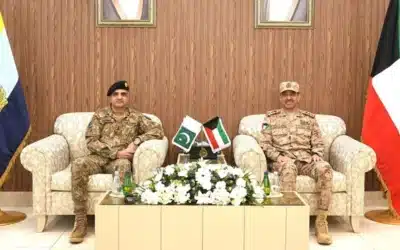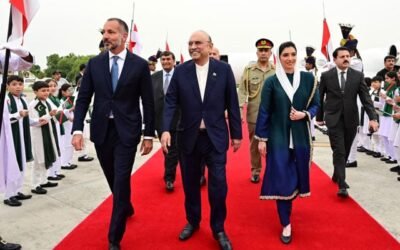



The ongoing Indian military exercises along the Line of Control (LoC) are another calculated tactic of escalation by India. This strategy poses a significant challenge to regional stability. After the April 2025 Pahalgam terror attack, India accused Pakistan but offered no evidence. Pakistan strongly denied the claims and stated it was willing to cooperate with an international inquiry to uncover the truth. Despite these denials, India conducted intensive military drills and diplomatic efforts. Pakistan, meanwhile, opted for strategic restraint but demonstrated its military readiness. This delicate balance maintained deterrence and responded responsibly under the nuclear shadow. Pakistan’s measured reaction reflects a nuanced approach to statecraft.
Military Posturing: Posing Credibility with Exercises
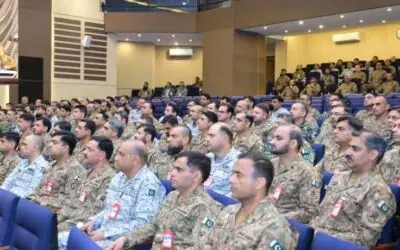
Pakistan responded to Indian mobilization along the LoC and naval exercises in the Arabian Sea with a coordinated display of military preparedness. All three service branches participated in these efforts. The Pakistan Army held a military exercise called Exercise Hammer Strike near Gujranwala. This training proved Pakistan’s ability to mobilize defenses along the Indian Punjab border quickly. Simultaneously, on April 24, 2025, the Pakistan Navy conducted large-scale air-to-air live firing exercises over two days in the Arabian Sea, near Karachi and Gwadar ports. The drills involved missile launches from warships, submarine maneuvers, joint operations with the Air Force, and enforced maritime and airspace restrictions throughout the exercise.
You May Like To Read: Operation Azm-e-Istekham: A New Counter-Terrorism Strategy
The Pakistan Air Force also showcased its capabilities through three air exercises: Zarb-e-Haideri in the South, Fiza-e-Badar in the North, and Lalkar-e-Momin in the Central Command. These exercises included frontline aircraft such as the F-16, J-10, and JF-17 Thunder fighters, armed with Beyond Visual Range missiles like the PL-15. Pakistan released videos showing its technological edge in air warfare, countering Indian claims of air superiority.
Each service branch sent a clear message. The Army showed quick defensive deployment. The Air Force emphasized their air supremacy and technological capability. The Navy provided sea control and efficient naval surveillance. Collectively, these drills indicated the overall military readiness of Pakistan in countering Indian posturing.
Diplomatic Offensive: Confronting Unilateralism
India responded with unilateral punitive measures after the Pahalgam attack. It suspended the Indus Waters Treaty, ordered the expulsion of Pakistani diplomats, and halted visa services. Pakistan, on the other hand, adopted a multilateral approach. India abandoned the Indus frameworks, after which Pakistan suspended the Shimla Agreement. This move was presented as a necessary step to protect sovereignty. India attempted to weaponize water, which Pakistan declared an act of war.
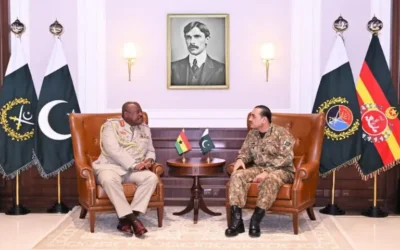
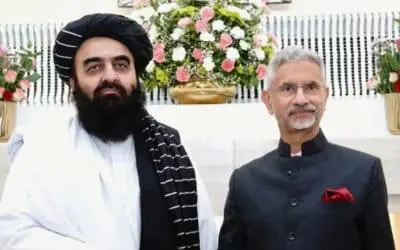
Pakistan demanded specific evidence for the terrorism accusations and offered to assist neutral investigations. Pakistani diplomats visited major capitals, highlighting violations of territorial integrity by India. Pakistan reciprocated by expelling Indian envoys and imposing selective restrictions on the Attari-Wagah border when India shut the border. For each unsubstantiated terrorism claim by India, Pakistan called for international investigations to counter unilateral rhetoric. Despite tensions, Pakistan kept the Kartarpur Corridor open for Sikh pilgrims, demonstrating a commitment to religious freedom during crises. This contrasted sharply with India’s blanket visa cancellations, which separated cross-border families.

Source: Arab News
Counterstrike Doctrine: Precision Retaliation to Indian Aggression
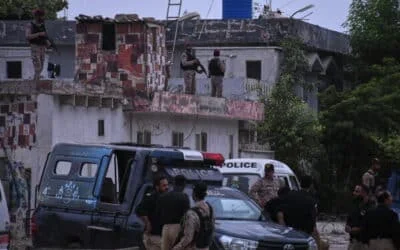
On May 7, India escalated the conflict with “Operation Sindoor,” launching missiles into Pakistani territory, including Punjab. Pakistan responded with a measured yet firm counterstrike, establishing new deterrence thresholds. Pakistani jets, including J-10Cs from No. 15 Squadron armed with PL-15 missiles, intercepted Indian aircraft without crossing the Line of Control (LoC). U.S. officials and the Stimson Center confirmed Pakistan shot down multiple Indian jets, including Rafale and MiG-29 fighters, demonstrating technological parity in the air.
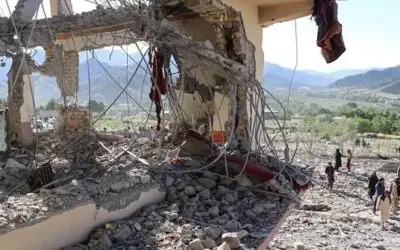
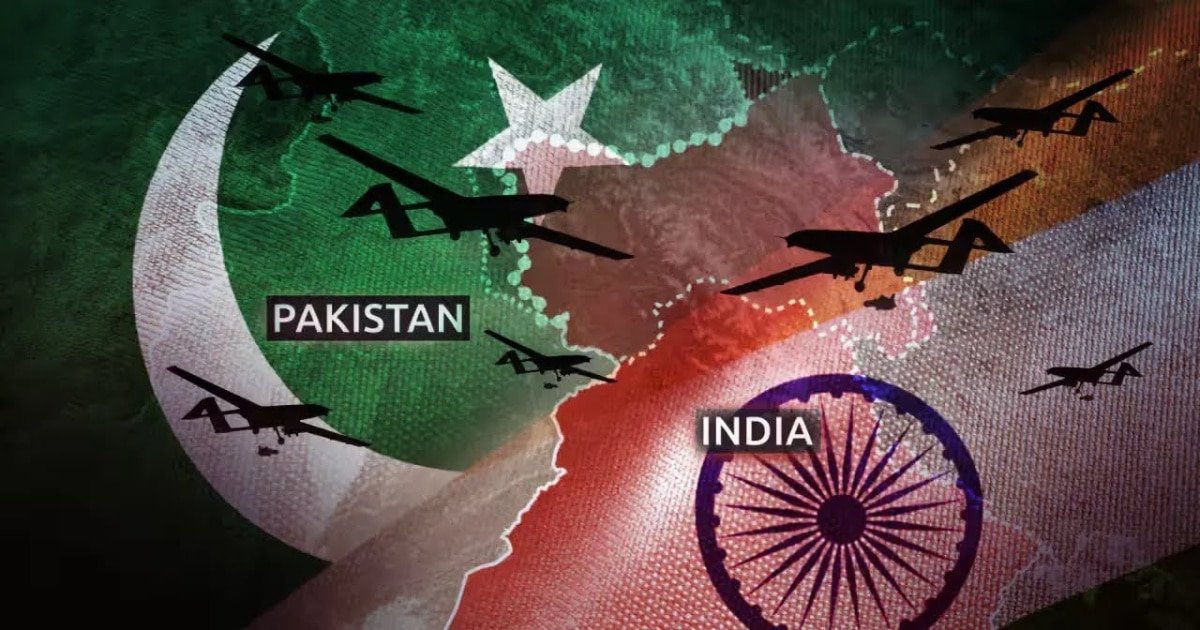
Unlike India’s strikes near civilian areas, such as the Bahawalpur mosque, Pakistan exercised restraint during “Operation Bunyan-un-Marsoos” on May 10, targeting military sites like airbases and command centers while avoiding civilian zones. Despite possessing the capability for deeper strikes, Pakistan chose a responsible approach. Additionally, Pakistan innovated in drone warfare by deploying loitering munitions against Indian positions in Jammu, complicating India’s high-cost air defenses, marking the first drone-versus-drone conflict between nuclear-armed rivals.

Source: BBC News
Global Diplomacy Validating Pakistan’s Restraint
The international community largely backed Pakistan. UN Secretary General Antonio Guterres warned against risking a nuclear confrontation. President Trump proposed mediating on Kashmir, rejecting India’s demand for bilateral talks. European powers, including Germany and France, expressed deep concern over Indian attacks, with the German Foreign Ministry urging calm and rationality, criticizing Indian aggression. Think tanks like the Stimson Center noted that Pakistan’s advanced air defenses exposed India’s concealed losses and validated Pakistan’s restrained yet effective multi-domain counterstrike, highlighting the success of Pakistan’s military modernization.
You May Like To Read: Operation Azm-e-Istekham: A New Counter-Terrorism Strategy
Strategic Outcomes
Pakistan’s response yielded significant strategic gains. Its ability to intercept and strike Indian jets and military targets within India enhanced its deterrence credibility. The Kashmir issue gained international attention, with calls for a multilateral resolution. Pakistan’s limited military operations, focused on military targets, earned it moral and legal legitimacy, contrasting with India’s criticism for strikes in civilian zones. Despite India’s protests, Pakistan maintained restraint, underscoring its responsible military stance.
Conclusion
Pakistan’s calibrated response to Indian military drills struck a balance between deterrence and restraint. It demonstrated readiness through military exercises without provoking escalation. Diplomatically, Pakistan challenged India’s claims and called for multilateral dialogue. When attacked, Pakistan retaliated precisely, preventing further escalation. Experts describe this as “multi-domain preparedness,” crucial for regional stability. India’s aggression has destabilized South Asia, but Pakistan’s responsible conduct offers the only sustainable path to peace—strength-based, not driven by aggression, in the nuclear shadow.