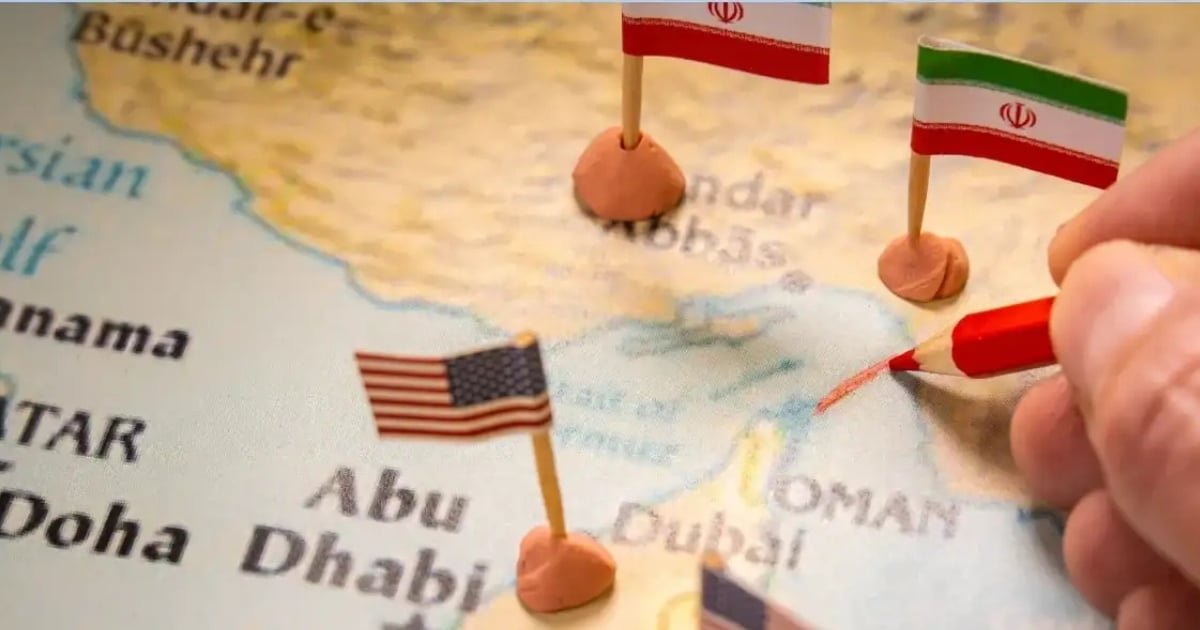





The escalating Gulf crisis and the closure of the Strait of Hormuz have seant shockwaves through the global fertilizer market, leaving Pakistan’s agricultural sector on high alert. With the Middle East accounting for nearly one-third of global urea exports, the disruption of Qatari gas and regional logistics has triggered a massive supply vacuum. On Tuesday, March 24, 2026, international urea prices surged to $740–$750 per tonne, creating a staggering price gap for import-dependent nations. For Pakistan, the landed cost of imported urea now stands between Rs 13,700 and Rs 14,700 per bag, nearly triple the domestic price of approximately Rs 4,400.
Hormuz fertiliser block will upend world’s food supply https://t.co/NrZrUOqbky | opinion
— Financial Times (@FT) March 24, 2026
Despite the global turmoil, Pakistan’s domestic fertilizer industry remains a critical buffer. Local producers currently hold a stockpile of 0.9 million tonnes of urea, which is deemed sufficient for the upcoming Kharif season, provided that gas supplies to manufacturing plants remain uninterrupted. However, the outlook for Di-Ammonium Phosphate (DAP) is far more precarious. Pakistan produces only 0.7 million tonnes of DAP annually against a national requirement of up to 2.3 million tonnes. This structural deficit leaves the country highly vulnerable to international price spikes and shipping delays in the Persian Gulf.
You May Like To Read: China Joins Global Call for Immediate Ceasefire in Iran Conflict
Check out our latest video: