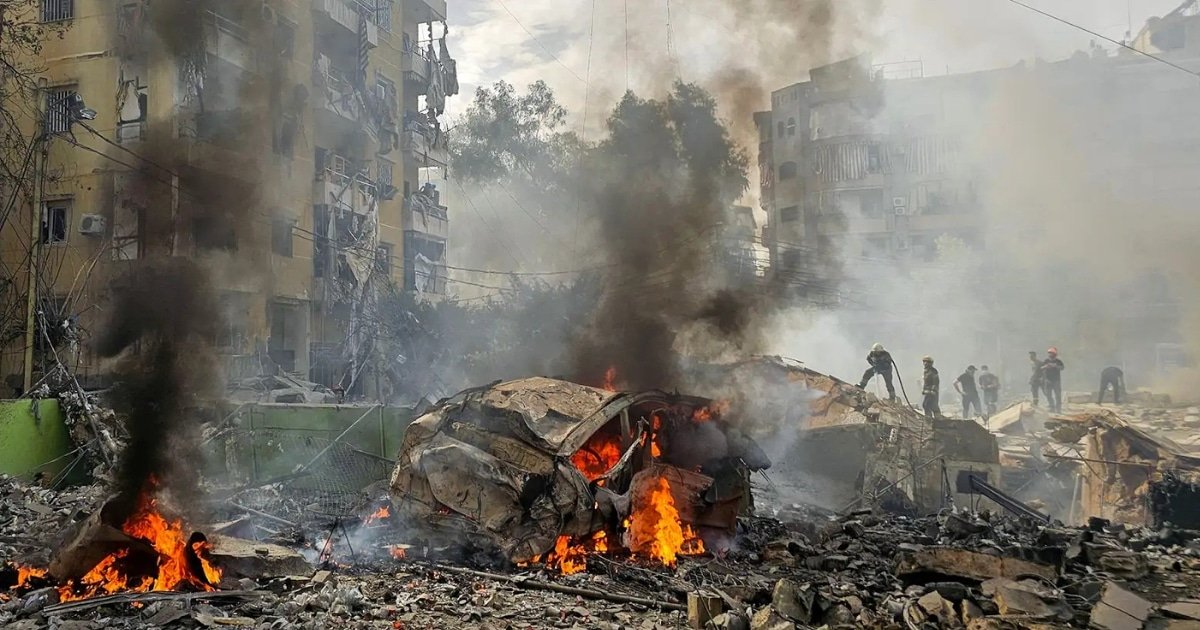





Tensions in the Middle East intensified today as the Israeli military launched a series of coordinated aerial strikes across southern Lebanon, resulting in multiple casualties and significant property damage. The latest violence comes despite a year-old ceasefire agreement that is increasingly under threat from repeated violations and strategic disagreements.
Israel continued bombing southern Lebanon Wednesday evening after daytime strikes it said targeted Hezbollah, while Lebanon’s military called the attacks blatant violations of its sovereignty. pic.twitter.com/bCAjhoIOg4
— Al Jazeera English (@AJEnglish) January 22, 2026
Casualties and Targeted Strikes
Lebanon’s National News Agency reported that Israeli warplanes targeted residential and commercial buildings in several towns, including Qanarit and Kfour. According to the Lebanese Health Ministry, earlier raids on Wednesday targeting vehicles in Zahrani and Bazuriyeh resulted in at least two deaths.
The strikes also affected members of the international press. A photographer and two other journalists working near a strike site in Qanarit sustained injuries during a heavy bombardment.
Conflicting Justifications
The Israeli Defense Forces (IDF) defended the operations, stating the raids were in response to “repeated violations of ceasefire understandings” by Hezbollah. The IDF maintained that all targets were specifically linked to Hezbollah operatives or infrastructure and noted that evacuation warnings were issued to residents in identifying sites prior to the strikes.
Conversely, the Lebanese Army issued a formal statement decrying the targeting of “civilian buildings and homes,” characterizing the actions as a “blatant violation of Lebanon’s sovereignty.”
You May Like To Read: Erdogan and Trump Discuss Syria Reintegration and Gaza Peace Board
Threat to Disarmament Efforts
Under significant international pressure, the Lebanese government has committed to a plan to disarm Hezbollah. However, the Lebanese military warned today that continued Israeli strikes “hinder the army’s efforts” to complete this disarmament and transition to a more stable security framework.
Israel has countered these claims by criticizing the Lebanese Army’s progress as “insufficient,” asserting that it reserves the right to strike Iranian-backed infrastructure to ensure its national security.
Regional Outlook
The flare-up occurs against the backdrop of a dire humanitarian situation in the broader region. International observers fear that the breakdown of the Lebanon-Israel ceasefire could trigger a wider regional conflict, complicating already delicate peace-building efforts currently being discussed by the newly formed “Board of Peace.”
Check out our latest video: