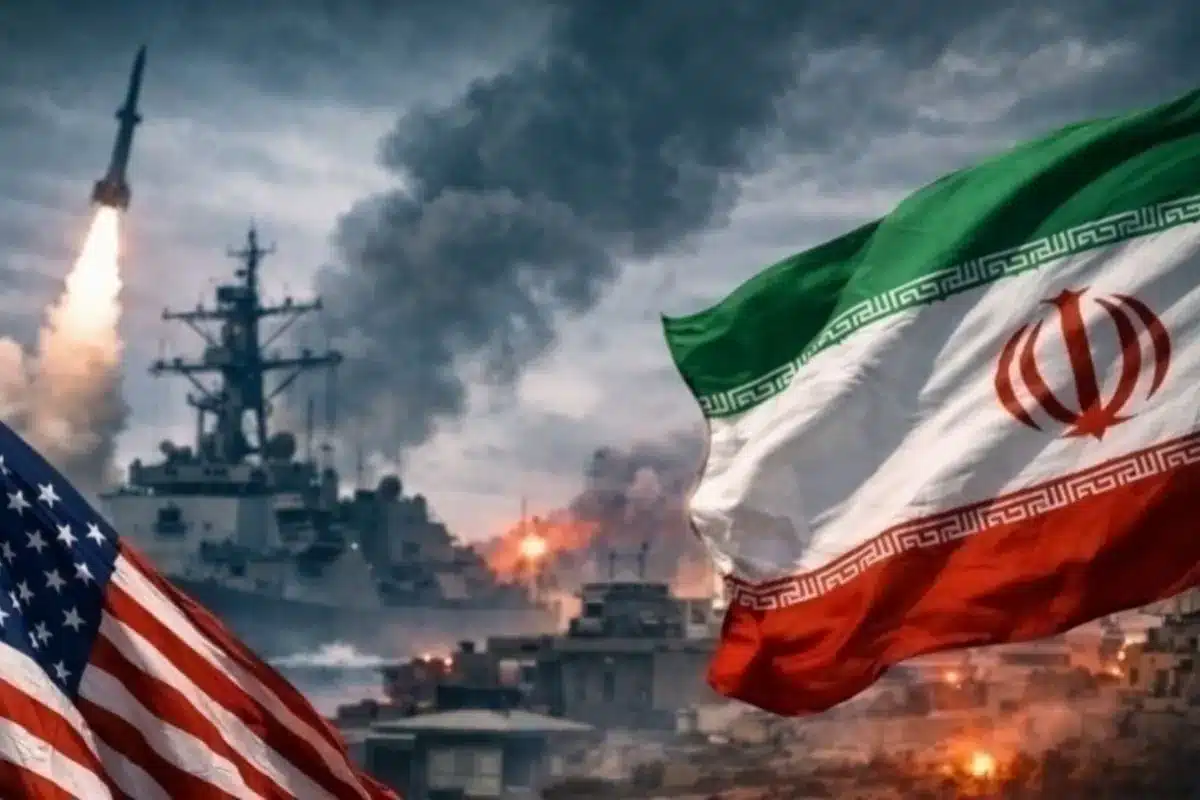


In a bid to de-escalate tensions and prevent renewed hostilities, the United States and Iran have engaged in a series of proposal exchanges, according to recent reports. This comes after President Trump announced a pause in a planned military attack against Iran, citing a new peace proposal from Tehran.
🚨 Baqaei, spokesperson Iran’s FM: Iran’s right to enrichment is not negotiable.
— IRIB (Islamic Republic of Iran Broadcasting) (@iribnews_irib) May 19, 2026
Key Developments
-
- Trump Pauses Attack: President Trump declared he halted a planned military strike on Iran after receiving a peace proposal. He expressed optimism about reaching a deal to limit Iran’s nuclear program, stating a “very good chance” exists for a resolution without military intervention.
- Iranian Proposal Details: While specifics remain undisclosed, reports suggest Iran’s proposal focuses on ending the ongoing conflict, reopening the Strait of Hormuz, and lifting maritime sanctions. Additionally, Iran is seeking reparations for war damages and the withdrawal of US forces from the region.
- US Counterproposals: The US has reportedly proposed restricting Iran’s uranium enrichment for a period of 20 years, a concession from an initial demand of 25 years. In return, the US might consider easing sanctions on Iranian oil exports if Tehran ceases support for proxy groups in the region.
- Possible Concessions: Unconfirmed reports indicate the US may be willing to release a portion of Iran’s frozen assets held in foreign banks and allow some peaceful nuclear activity under IAEA supervision. However, US officials have denied claims of waiving oil sanctions during negotiations.
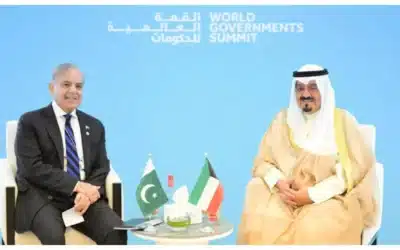
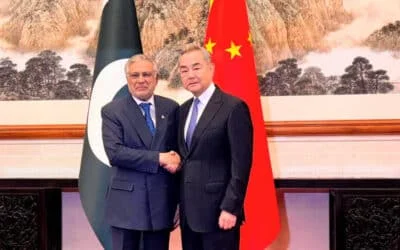
- Regional Involvement: Leaders from Qatar, Saudi Arabia, and the UAE reportedly urged President Trump to postpone the attack, expressing confidence that a mutually acceptable deal could be reached. Qatar has acknowledged Pakistan’s mediation efforts and believes more time is needed for negotiations.
- Iran’s Stance: Despite the ongoing negotiations, Iran remains firm in its position, asserting its right to nuclear enrichment as non-negotiable. Iranian officials have warned against further aggression, vowing a “stronger response” to any new attacks. The country has also created the “Persian Gulf Strait Authority” to administer shipping in the Strait of Hormuz, to which the UN responded by saying that it does not want any particular entity to restrict freedom of access.
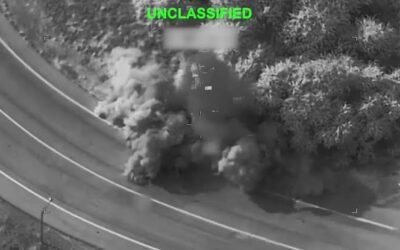
- China’s Concern: China has voiced deep concern over a drone attack targeting the Barakah Nuclear Energy Plant in the UAE, emphasizing the need to respect the sovereignty and security of Gulf states.
- Cost of War: Iranian state media estimates the US cost of the war to exceed $85 billion.
هزینه جنگ برای آمریکا از ۸۵ میلیارد هم عبور کرد
دونالد ترامپ بر خلاف ادعاهای انتخاباتی خود، نه تنها وضع مردم آمریکا را بهتر نکرده بلکه با به راه انداختن جنگ ایران، بیش از ۸۵ میلیارد دلار از محل مالیات این مردم را نیز صرف یک «جنگ انتخابی» کرده است. pic.twitter.com/xk6nLM9Y2E
— خبرگزاری فارس (@FarsNews_Agency) May 19, 2026
Analysis
The current situation presents a complex web of negotiations and underlying tensions. President Trump’s decision to pause the attack signals a potential shift towards diplomacy, but significant hurdles remain. Key sticking points include the duration of nuclear enrichment restrictions, sanctions relief, and Iran’s regional influence.
Iran’s willingness to engage in discussions while maintaining a firm stance suggests a desire to find a resolution that preserves its core interests. The involvement of regional actors highlights the broader implications of the conflict and the need for a comprehensive solution that addresses the concerns of all parties.
The fragile ceasefire underscores the urgency of reaching a lasting agreement. Continued drone attacks and heightened rhetoric could easily escalate the situation, leading to renewed violence.
Critical Considerations
- Verifying Claims: Many reports are based on unnamed sources and require independent verification.
- Regional Stability: A successful resolution is crucial for maintaining stability in the Middle East and preventing further conflict.
- Nuclear Proliferation: Preventing Iran from developing nuclear weapons remains a primary objective for the US and its allies.