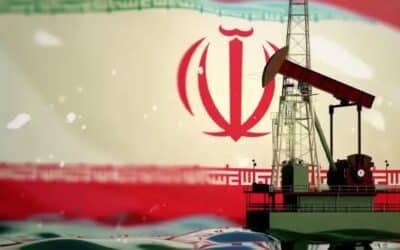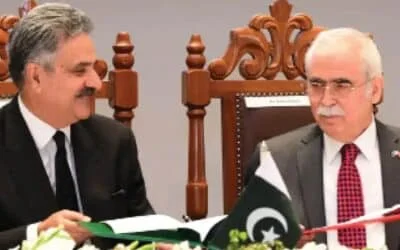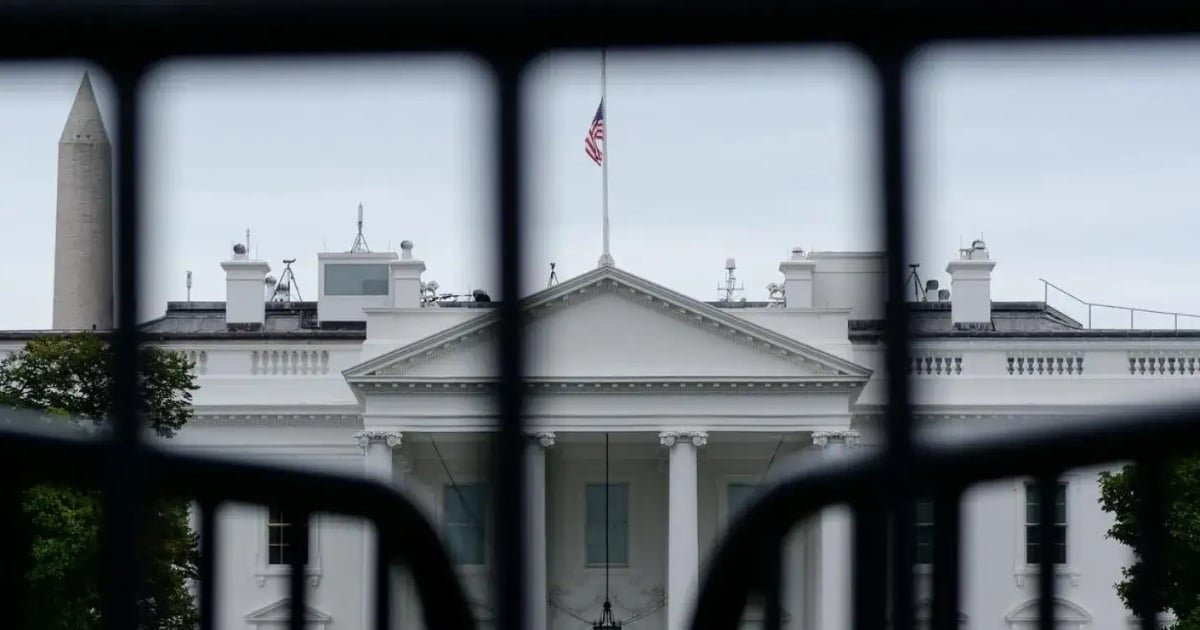





As the US-Israel-Iran war grinds through its fourth week, the diplomatic landscape has shifted into a volatile “war of narratives.” While President Donald Trump claims Iranian negotiators are “desperate” for a deal and have offered a “significant prize” regarding the Strait of Hormuz, Tehran’s state-run media and top officials have publicly rejected the rumored 15-point peace plan as “fakenews” intended to manipulate global oil markets.
The standoff comes as the White House admits to “elements of truth” in the leaked proposal, while Iran counters with its own five-point ultimatum for a cessation of hostilities.
BREAKING: Tehran has received the 15-point plan proposed by the US, but described it as “extremely maximalist and unreasonable”, a high-ranking diplomatic source has confirmed to Al Jazeera.
🔴 LIVE updates: https://t.co/kKOs9UM7Py pic.twitter.com/RKX95i6O8a
— Al Jazeera English (@AJEnglish) March 25, 2026
The Reported US Plan: A “Gaza Model” for Iran?
The 15-point proposal, reportedly drafted by peace envoys Steve Witkoff and Jared Kushner, mirrors the framework used to end the conflict in Gaza. According to leaks published by Channel 12:
-
Nuclear & Missile Rollback: Iran would “commit never to pursue nuclear weapons,” dismantle facilities, and hand over all enriched uranium to the IAEA.
-
Proxy De-funding: Tehran would cease all support for Hezbollah, Hamas, and the Houthis.
-
The “Free Maritime Corridor”: The Strait of Hormuz would be reopened under a permanent international guarantee of free transit.
-
The Incentive: In exchange, all international sanctions—reimposed last November—would be lifted.
Iran’s Counter-Proposals: The Five Conditions
State-run Press TV, citing a “senior political-security official,” dismissed the US plan and laid out Tehran’s non-negotiable terms for ending the war:
-
Stop the “Octopus” Strategy: A complete halt to “aggression and assassinations,” referring to the Israeli campaign that killed Supreme Leader Ayatollah Ali Khamenei on February 28.
-
War Reparations: Iran is demanding the payment of significant damages for the destruction of its infrastructure.
-
Sovereignty over Hormuz: Unlike the US “free corridor” plan, Tehran insists on remaining solely in charge of the Strait.
-
Ceasefire for Allies: A demand that Israel end all attacks on Iranian allies, including the expanded buffer zone in Lebanon.
Strategic Disconnect: “Desperation” vs. “Fakenews”
The rhetoric between Washington and Tehran suggests a deep “trust deficit” that mediators in Islamabad are struggling to bridge:
-
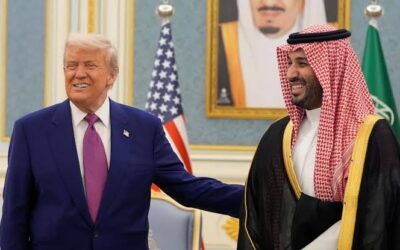
Trump’s “Present”: The US President told reporters on Tuesday that Iran had given the US a “very significant prize” related to energy and the Strait, claiming they are “desperate” to talk.
-
Ghalibaf’s Denial: Parliament Speaker Mohammad Bagher Ghalibaf took to X to flatly deny any negotiations, calling the reports a “quagmire” escape attempt by the US and Israel.
-
The “Right People”: Trump insists “we’re dealing with the right people,” though new Supreme Leader Mojtaba Khamenei remains out of public sight since being wounded in the initial Tehran strikes.
Military Escalation Amidst Diplomacy
Despite the talk of peace plans, the military posture on the ground remains aggressive:
-
US Troop Movements: Reports suggest US forces are being positioned for potential operations to forcibly reopen the Strait of Hormuz or seize Iranian territory.
-
Israel’s Buffer Zone: Israel’s Economy Minister Nir Barkat indicated that a pause in attacks is unlikely, as the IDF remains committed to its widened buffer zone inside Lebanon.
You May Like To Read: Pakistan Reviews Security and Stability as Regional Tensions Rise
Check out our latest video: