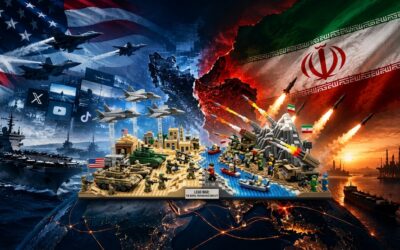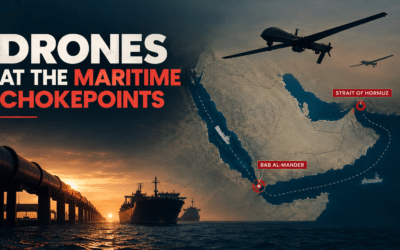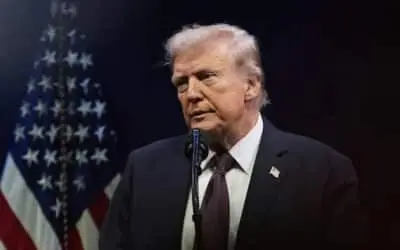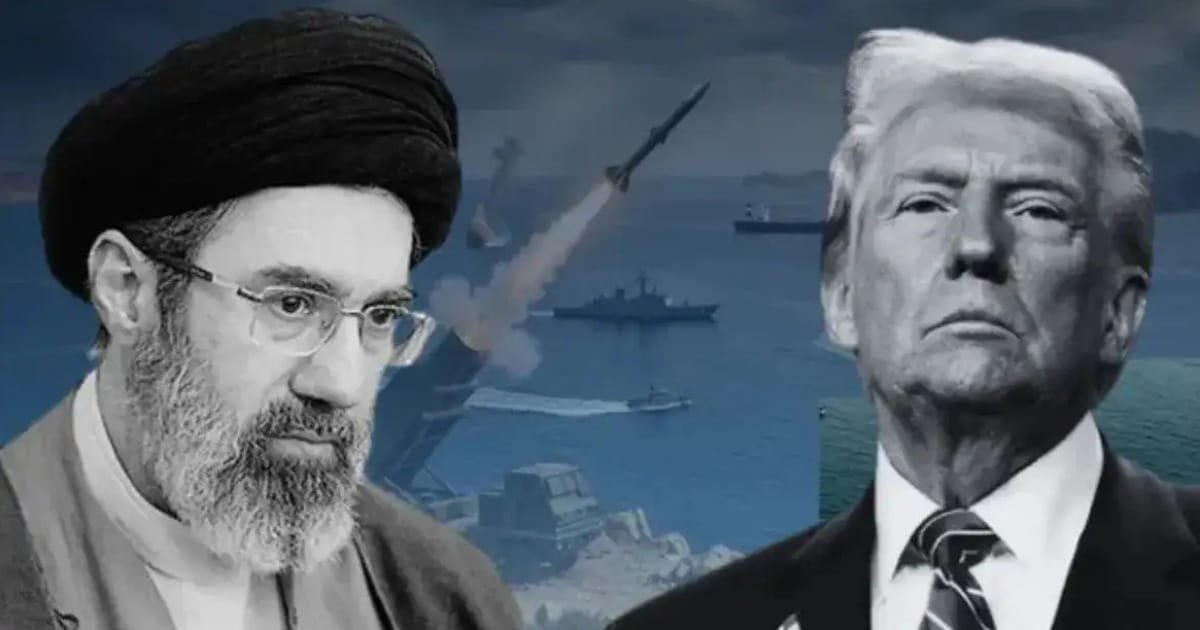



In a historic shift that has pulled the world back from the precipice of a global economic collapse, President Donald Trump has announced a two-week ceasefire between the United States and Iran. The truce, which officially commenced today, includes the immediate reopening of the Strait of Hormuz—the world’s most critical energy artery—and designates Islamabad, Pakistan, as the host for formal peace negotiations beginning this Friday.
The “Islamabad Thaw” follows 33 days of high-intensity conflict that saw oil prices surge past $100 per barrel and the global maritime corridor effectively “hijacked.” While the guns have fallen silent across the Persian Gulf, the diplomatic marathon is just beginning.
🚨 President Donald J. Trump makes a statement on Iran: pic.twitter.com/9mqTayL0Q3
— The White House (@WhiteHouse) April 7, 2026
A World in Relief: International Reactions
The announcement has triggered a wave of cautious optimism from global capitals, though significant regional friction points remain.
-
The “Guarantor” Perspective (China & Russia): Beijing welcomed the deal, highlighting Wang Yi’s 26 emergency calls and the “shuttling” of Middle East envoys. Moscow was more caustic, with Maria Zakharova claiming the “one-track, aggressive” US policy suffered a “crushing defeat.”
-
The European Stance: German Chancellor Friedrich Merz and EU chief Ursula von der Leyen hailed the de-escalation, specifically thanking Pakistan for providing the neutral ground necessary for the breakthrough.
-
The Middle East Dilemma: Israeli PM Benjamin Netanyahu supported the suspension of strikes to remove the Iranian nuclear threat but issued a sharp caveat: the ceasefire “does not include Lebanon,” where IDF operations against Hezbollah continue.
-
The Global South: India and Australia emphasized the “immense suffering” and “unprecedented energy shocks” caused by the Hormuz closure, expressing hope that “unimpeded freedom of navigation” would now return.
The “Islamabad Option”: Pakistan’s Masterclass in Mediation
Perhaps the most significant outcome of this conflict is the emergence of Pakistan as the indispensable “Strategic Pivot.” The successful mediation of this ceasefire represents a landmark achievement for Pakistani diplomacy and military-intelligence coordination.
A. The Neutrality of the “Nuclear Anchor”
Unlike many NATO or GCC states, Pakistan maintained a sophisticated neutrality that allowed it to speak to both the Trump Administration and the Iranian leadership. As the sole nuclear-armed state in the “Quadrilateral” bloc, Pakistan provided a security guarantee that neither side could ignore.
B. Creating the “Quadrilateral” Consensus
Pakistan successfully aligned the interests of Türkiye, Egypt, and Saudi Arabia. By hosting these powers in Islamabad over the weekend, FM Ishaq Dar created a unified regional front that presented President Trump with a “workable” exit strategy—one that didn’t look like a retreat, but rather a multilateral stabilization effort.
C. The Beijing Bridge
Dar’s final mission to Beijing secured the economic weight of China as a potential underwriter. By aligning the Five-Point Plan with China’s core energy interests, Pakistan ensured that the ceasefire had the “teeth” of international financial support, making it viable for Iran to trust the process.
Looking Ahead: Friday in Islamabad
The upcoming Friday summit in Islamabad will be the first time US and Iranian officials sit across from each other in a formal setting during this conflict. The agenda is expected to center on Trump’s 15-point plan and Iran’s “workable” 10-point response, with the status of the Suez-Hormuz corridor and the nuclear program serving as the primary pillars.
You May Like To Read: IMF Warns of Global Economic Slump and Inflation Spike Due to Middle East Conflict
Check out our latest video: