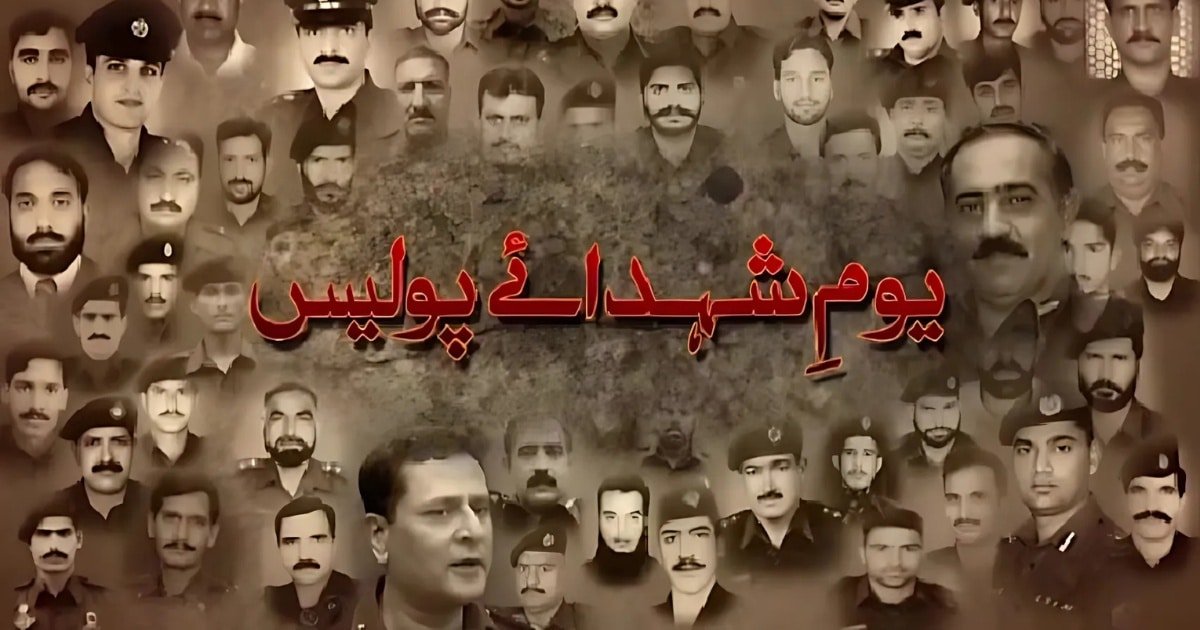



In the relentless battle against terrorism, states employ a multifaceted arsenal that extends beyond military operations and intelligence gathering. A crucial, yet often overlooked, component of this strategy is the cultivation of a robust counter-narrative –a powerful tool for shaping public opinion, building social cohesion, and inoculating the populace against extremist ideologies.
In Pakistan, the strategic use of national events like “Police Martyrs’ Day” serves as a prime example of this approach. These commemorations are not merely acts of remembrance; they are carefully orchestrated exercises in statecraft, designed to honor fallen security personnel, reframe the fight against terrorism, and forge a national resolve against violence. By transforming individual sacrifices into a collective narrative of resilience, the state seeks to rebuild trust, foster unity, and delegitimize the violent rhetoric of terrorist organizations.
National Police Martyrs’ Day is being observed today #News #RadioPakistan#policemartyrsday https://t.co/blGa2hYi2W pic.twitter.com/YzyHblLqRZ
— Radio Pakistan (@RadioPakistan) August 4, 2025
National Unity and Building Legitimacy
The establishment of events like Police Martyrs’ Day is a strategic maneuver to control the narrative surrounding terrorism. While militant groups aim to sow fear and division, the state’s response is to highlight courage, sacrifice, and unity. By publicly and ceremonially honoring the lives of police officers who have died in the line of duty, the government elevates their sacrifice from a personal tragedy to a national one.
You May Like To Read: Hague Arbitration Vindicates Pakistan on Indus Waters Treaty
This act of public commemoration seen in official statements from state-run media, serves a number of key functions. First, it humanizes the security forces, moving them beyond the image of a faceless institution to a body of individuals who are sons, daughters, fathers, and mothers. This human connection is vital for building public trust and demonstrating that the state is a protector of its people, not an indifferent entity.
For example, a message from the Prime Minister, cited on PTV and Radio Pakistan, explicitly “salutes the great families of our martyrs who sacrifice their future for us,” directly appealing to public emotion and solidarity.
Furthermore, these commemorations act as a powerful antidote to the fear and despondency that terrorist attacks are designed to create. The narrative shifts from one of vulnerability to one of strength, where every sacrifice becomes a testament to the nation’s unwavering resolve. This counter-narrative is crucial for preventing the psychological victory that terrorists seek the breaking of the national spirit.
Reclaiming Martyrdom and Condemning Extremism
A critical component of this state narrative is the strategic reclamation of the term “martyr.” Terrorist groups often couch their violence in ideological or religious terms, presenting themselves as righteous defenders of a cause. The state’s narrative on days like Police Martyrs’ Day directly challenges this by portraying terrorism as a destructive force, a threat to the state, and a menace to the citizenry.
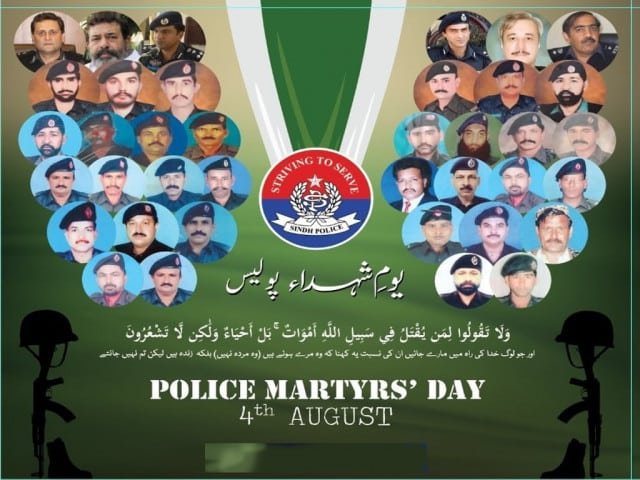
The fallen police officers are not just victims of violence; they are portrayed as “martyrs” who sacrificed their lives for the defense of the homeland and its values. This use of the term is a deliberate act of linguistic appropriation, reclaiming a powerful religious and cultural concept from extremist groups and applying it to the state’s security personnel.
This narrative is perfectly exemplified by the Prime Minister’s recent message on Police Martyrs’ Day, which serves as a perfect articulation of this counter-narrative. Such messages typically laud the bravery of the police force, underscore their pivotal role in maintaining law and order, and, most importantly, frame their sacrifices as the ultimate act of patriotism.
The Prime Minister’s words become a state-sanctioned decree, reinforcing the idea that the police are not just an enforcement body but a front-line defense against those who would destroy the social fabric. By extension, the message condemns the actions of terrorists as not just criminal, but also unpatriotic, thereby stripping them of any moral or religious legitimacy.
This official condemnation, broadcast widely, provides a strong public foundation for rejecting extremist narratives and reinforces the state’s moral authority in the conflict. This approach is recognized internationally; a U.S. Department of State report on Pakistan’s strategy mentions that a part of U.S. support is to “strengthen the government and community leaders’ capacity to introduce alternate narratives and counter violent extremism.”
Building Public Resolve and Institutional Legitimacy
The ultimate goal of using commemorations as a counter-narrative tool is to build public resolve and strengthen the legitimacy of state institutions. By showing that the state acknowledges, honors, and cares for its fallen personnel, it demonstrates a commitment to its protectors and, by extension, its citizens.
This creates a feedback loop, as the public respects and trusts the police force because they see the state honoring their sacrifice, and the police are motivated by the public’s support and the promise of posthumous recognition. This cycle of mutual respect and recognition is vital for the long-term stability of a society grappling with internal threats. It ensures that the public views the fight against terrorism not as a distant government concern, but as a shared national mission.
You May Like To Read: The Danyore Disaster
In essence, Police Martyrs’ Day is more than a ceremony; it is a critical component of a broader psychological and information warfare campaign. It provides a formal, sanctioned space for grief and mourning, but channels that emotion into a powerful force for national unity and anti-terrorism resolution.
By highlighting the courage of individuals and the collective sacrifice of the security forces, the Pakistani state is building a narrative of enduring resilience. This narrative, articulated through key developments like the Prime Minister’s public messages, is designed to serve as a bulwark against the divisive and destructive propaganda of terrorist groups, ensuring that the memory of the fallen is not lost to fear, but is instead enshrined as a foundation for a more secure and unified future.