


The government of Pakistan has expressed strong satisfaction with a supplemental award issued by the Permanent Court of Arbitration (PCA) regarding the Indus Waters Treaty (IWT). According to a statement released Sunday, the PCA ruling affirms Pakistan’s stance on the treaty, placing “substantive limits on India’s water-control capability” on the western rivers of the Indus system.
The Government of Pakistan notes with utmost satisfaction the Court of Arbitration’s Supplemental Award Concerning Maximum Pondage, handed down on 15 May 2026, in the Indus Waters Treaty proceedings arising from the Ratle Hydroelectric Plant and the Kishenganga Hydroelectric…
— Government of Pakistan (@GovtofPakistan) May 17, 2026
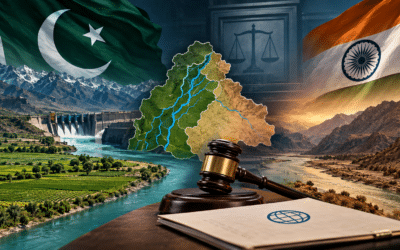
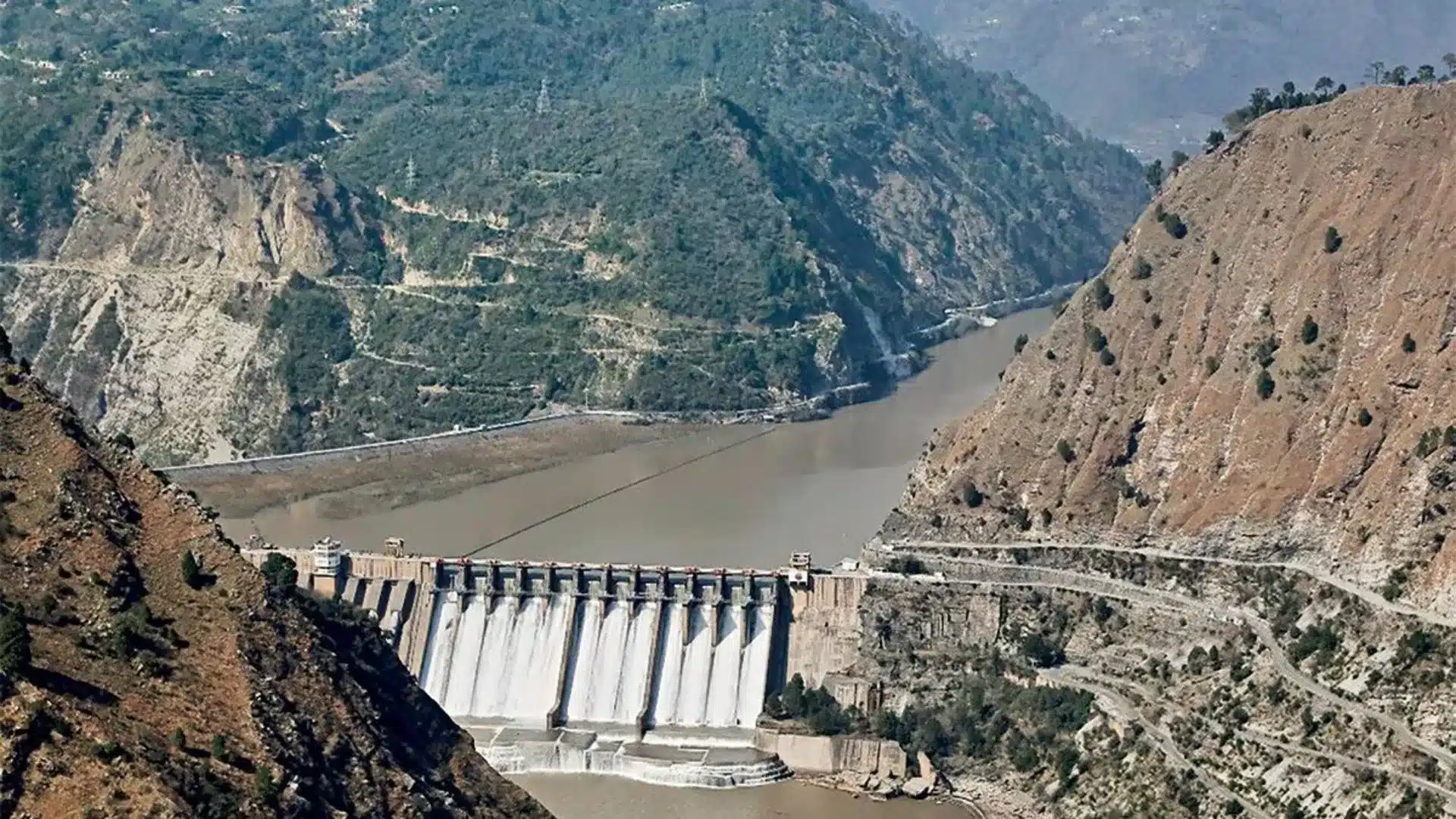
The decision specifically addresses the technical aspect of “maximum pondage” – the maximum volume of water that can be stored in a reservoir – in relation to the Ratle Hydroelectric Plant and the Kishenganga Hydroelectric Project in Indian-administered Kashmir. Pakistan initiated arbitration proceedings in 2016, claiming that the designs of these projects violate the IWT.
The IWT, brokered by the World Bank in 1960, allocates the Indus, Jhelum, and Chenab rivers primarily to Pakistan, while the Ravi, Beas, and Sutlej rivers are allocated to India. The treaty has been a cornerstone of water management between the two nations for decades, despite periods of tension.
Pakistan’s government statement emphasizes that the PCA’s supplemental award, issued on May 15th (but not yet publicly released by the PCA), reinforces the principle that limits on India’s water control capabilities are not mere formalities. These limits, Pakistan argues, must be considered at the planning and design stages of projects, not simply addressed through later operational assurances.
The statement further elaborates on key aspects of the ruling, including the need for realistic justification of pondage based on project needs, site hydrology, and power-system requirements. Pakistan asserts that the PCA award strengthens its review rights and requires India to provide sufficient information to assess treaty compliance.
In contrast, India has vehemently rejected the PCA’s decision. The Indian Ministry of External Affairs issued a statement dismissing the ruling as an “award” from an “illegally constituted Court of Arbitration.” India maintains that it does not recognize the establishment of the CoA and considers any proceedings or decisions issued by it as “null and void”. India also claims that its decision to hold the Indus Waters Treaty in abeyance remains in force, despite previous rulings against this action.
Critical Analysis
This latest development in the Indus Waters Treaty dispute highlights the ongoing tensions between India and Pakistan over water resources. Pakistan views the PCA ruling as a significant victory, reinforcing its interpretation of the IWT and strengthening its position in future negotiations. The focus on “maximum pondage” and the need for verifiable data underscores Pakistan’s concerns about India potentially exceeding its allowed water storage capacity on the western rivers.
India’s rejection of the PCA ruling and its continued refusal to participate in the arbitration process raises serious questions about its commitment to the IWT dispute resolution mechanisms. This stance could further escalate tensions and undermine the treaty’s long-term stability. While India claims to have suspended its obligations under the IWT, the 1960 treaty does not have a clause allowing unilateral suspension.
The timing of this dispute is particularly sensitive, given the broader geopolitical context and the ongoing challenges of climate change, which are likely to exacerbate water scarcity in the region. The Indus basin is already facing significant water stress, and any disruptions to the IWT could have severe consequences for both countries.
The World Bank, as the treaty’s guarantor, faces a difficult task in mediating this dispute and ensuring that both India and Pakistan adhere to their obligations. The future of the IWT hinges on the willingness of both sides to engage in constructive dialogue and respect international legal processes.