



A New Phase Announced
The United States has announced the start of phase two of President Donald Trump’s plan to end the war in Gaza. US envoy Steve Witkoff said the new phase marks a shift from a fragile ceasefire toward rebuilding Gaza and creating a new technocratic Palestinian government to run the territory.
PHASE 2 of Trump’s Gaza Plan BEGINS
Envoy Witkoff hails start of ‘FULL demilitarization and reconstruction of Gaza’
Warns Hamas to ‘comply’ or face ‘SERIOUS consequences’ pic.twitter.com/9qaNKnAoDW
— RT (@RT_com) January 14, 2026
What Phase One Achieved
Phase one of the plan, agreed in October, brought a ceasefire between Israel and Hamas. It included a hostage-prisoner exchange, a partial withdrawal of Israeli forces, and an increase in humanitarian aid entering Gaza. While the agreement reduced large-scale fighting, both sides have accused each other of repeated violations.
Goals of Phase Two
According to Witkoff, phase two focuses on full demilitarisation and reconstruction of Gaza. This includes the disarmament of Hamas and other armed groups, as well as the creation of a transitional technocratic administration known as the National Committee for the Administration of Gaza. The US has warned Hamas to fully comply, including returning the body of the last dead Israeli hostage, or face serious consequences.
The Trump administration on Wednesday announced the launch of the second phase of the #Gaza peace deal, shifting the focus from ceasefire to demilitarization, technocratic governance and reconstruction, US presidential special envoy Steve Witkoff said on X.… pic.twitter.com/PDwfX88KaA
— China Daily (@ChinaDaily) January 14, 2026
Key Obstacles Ahead
Two major issues threaten the plan’s success. Hamas has long refused to give up its weapons without the creation of an independent Palestinian state, while Israel has not committed to fully withdrawing from Gaza. These unresolved positions could stall progress and reignite tensions.
Humanitarian Crisis Continues
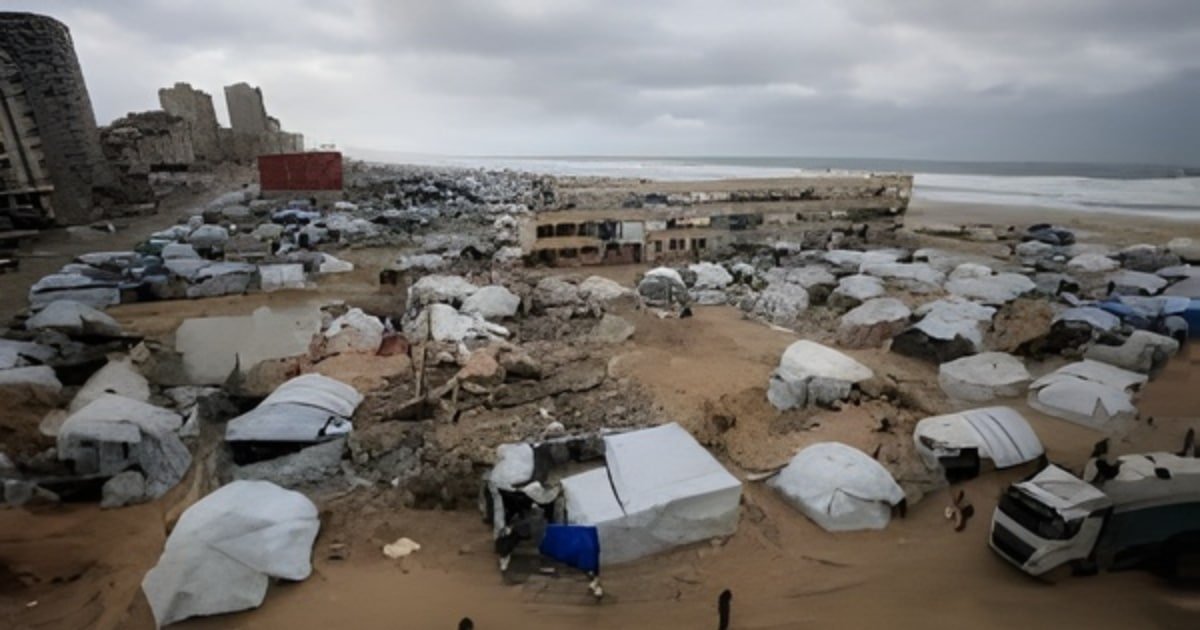
Despite the ceasefire, Gaza’s humanitarian situation remains severe. The UN has warned that unrestricted access for food, medicine, and essential supplies is still urgently needed. Gaza’s health ministry says nearly 450 Palestinians have been killed in Israeli strikes since the ceasefire began.
You May Like To Read: Pakistan Government Shifts Focus from Economic Stability to Growth, Job Creation
Regional and Palestinian Support
Egypt, Qatar, and Turkey welcomed the formation of the technocratic committee, saying it could improve stability and humanitarian conditions. Hamas, Palestinian Islamic Jihad, and the Palestinian Authority have also expressed support, though with differing expectations about Gaza’s future governance.
As Gaza moves from ceasefire to reconstruction, the road ahead remains uncertain. With trust low and demands high on all sides, the success of phase two will depend on whether words can turn into lasting action.
Check out our latest video: