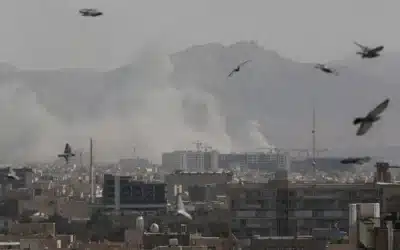




On February 17, 2026, global oil prices fell after Iranian Foreign Minister Abbas Araghchi announced significant progress in indirect nuclear negotiations with the United States in Geneva. Following a three-and-a-half-hour session mediated by Oman, Araghchi revealed that both sides reached an understanding on “general guiding principles” for a potential deal. This diplomatic breakthrough provided much-needed relief to energy markets, which have been rattled by escalating military tensions in the Persian Gulf.
Iran and the United States agreed on key “guiding principles” on Tuesday during the second round of indirect talks on their nuclear dispute. However, Iranian Foreign Minister Abbas Araqchi warned that this development did not signal an imminent deal.#Iran #US #NuclearTalks… pic.twitter.com/NRYLQqjUOn
— DNA (@dna) February 17, 2026
By mid-morning, U.S. WTI crude fell roughly 1% to $62.28 per barrel, while the global benchmark Brent tumbled over 2% to $67.23. The price drop came despite a provocative move by Iran’s Revolutionary Guard, which temporarily suspended maritime traffic in the Strait of Hormuz for several hours on Tuesday to conduct live-fire naval drills. Rear Adm. Alireza Tangsiri warned that while the IRGC ensures “safe passage,” they remain prepared to close the vital chokepoint, through which 20% of world oil passes, if ordered by senior leadership.
You May Like To Read: Must-Win for Pakistan: Usman Tariq Confident of Super 8 Qualification
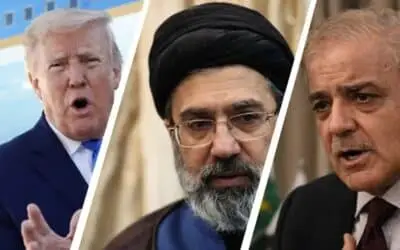
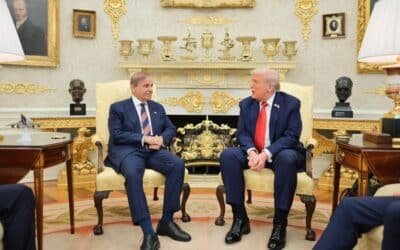
President Donald Trump, speaking from Air Force One, stated he was involved “indirectly” in the talks and suggested Tehran wants a deal to avoid the “consequences” of further military action. While an agreement is not yet imminent, the exchange of draft texts is expected to follow, potentially cooling a region still reeling from last year’s targeted strikes on Iranian nuclear facilities.
Check out our latest video: