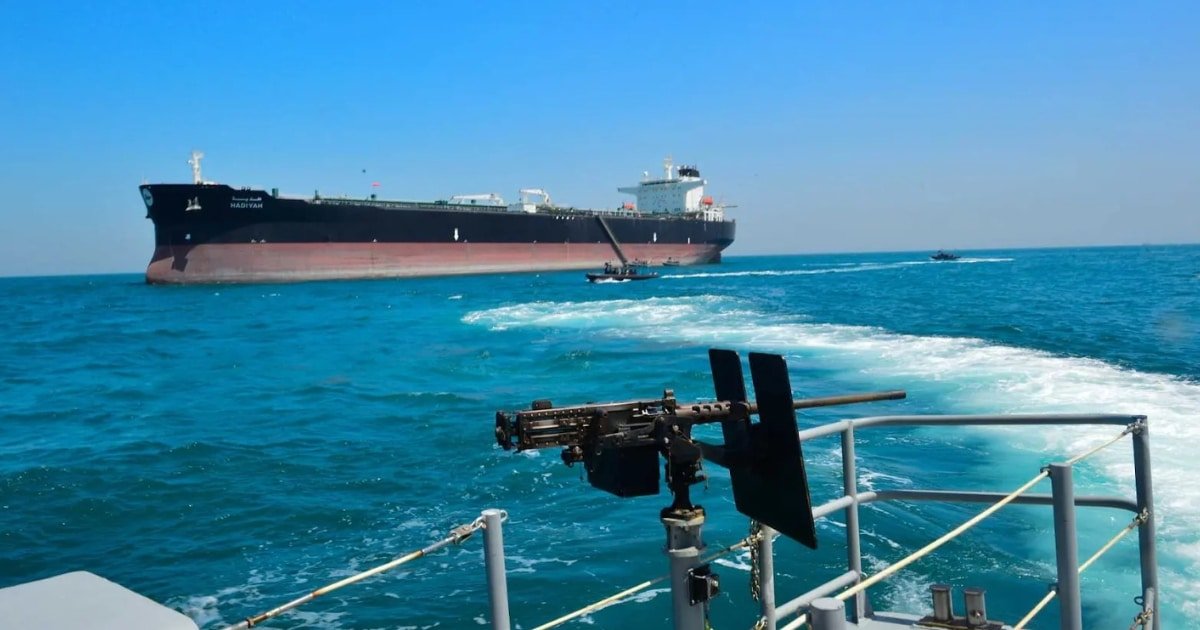


Tensions between the United States and Venezuela escalated sharply following an order by U.S. President Donald Trump for a “total and complete” naval blockade of all US-sanctioned oil tankers entering and leaving Venezuelan waters.
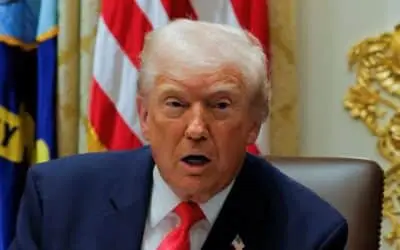
President Trump announced the order on Tuesday evening via social media, stating: “I am ordering A TOTAL AND COMPLETE BLOCKADE OF ALL SANCTIONED OIL TANKERS going into, and out of, Venezuela.” He cited the designation of the Venezuelan regime as a “FOREIGN TERRORIST ORGANIZATION” due to reasons including “theft of our Assets, and many other reasons, including Terrorism, Drug Smuggling, and Human Trafficking.”
The announcement follows a significant buildup of U.S. military forces off the Venezuelan coast, ostensibly for drug smuggling interdiction, and comes just after U.S. forces seized the Skipper oil tanker carrying Venezuelan crude, redirecting the vessel to Texas.
BREAKING: US President Trump has ordered “a total and complete” blockade of all sanctioned oil tankers entering and leaving Venezuela https://t.co/IFeI0teVgk pic.twitter.com/XAQq9j90lf
— Al Jazeera English (@AJEnglish) December 17, 2025
International Reaction and Denunciations
Venezuela’s Government immediately rejected the order, calling it a “grotesque threat.” In an official statement, the government asserted that the U.S. President intends to “impose, in an utterly irrational manner, a supposed naval blockade on Venezuela with the aim of stealing the riches that belong to our homeland.” Venezuelan President Nicolas Maduro had previously denounced the seizure of the Skipper as “theft” and “international piracy.”
United Nations Security Council (UNSC): Venezuela’s UN representative, Samuel Moncada, delivered a letter to the UNSC President, formally denouncing the U.S. seizure of the Skipper and the “kidnapping” of its crew, labeling it an “act of state piracy carried out through the use of military force.”
U.S. Congress: The blockade order drew severe criticism within the United States. U.S. Congressman Joaquin Castro, a Democrat, called the move “unquestionably an act of war” that was never authorized by Congress. He announced that U.S. lawmakers would vote on a resolution aimed at directing the President to end hostilities with Venezuela.
Russia: The Russian Foreign Ministry commented on the rising tensions, warning that the situation could have “unpredictable consequences for the entire West.”
Escalating Military Presence
The blockade order intensifies a growing military situation in the region. The U.S. operation, said to target drug smuggling, has been criticized by international law experts following reports that the U.S. military has killed at least 90 people since September in attacks on vessels in the eastern Pacific Ocean and Caribbean Sea near Venezuela.
Venezuelan officials continue to maintain that the U.S. military deployment is a pretext for regime change, aimed at “rob[bing] Venezuela’s immeasurable oil and gas wealth,” given that the South American nation holds the world’s largest proven oil reserves.
You May Like To Read: Pakistan Extends Warm Felicitations to Bhutan on National Day
The new blockade further tightens strict U.S. sanctions on Venezuelan oil exports, which have contributed to the country’s severe economic struggles.
Check out our latest video: https://youtu.be/np-FRizbvP0?si=ssS13TFP-xAcX23Y