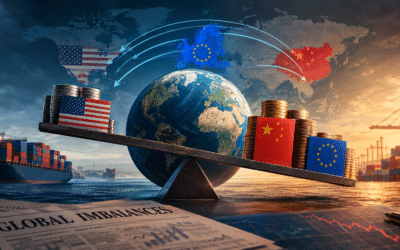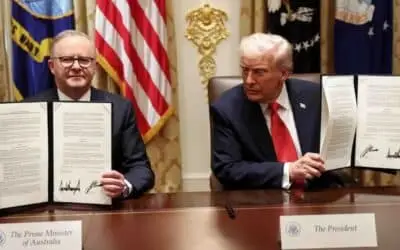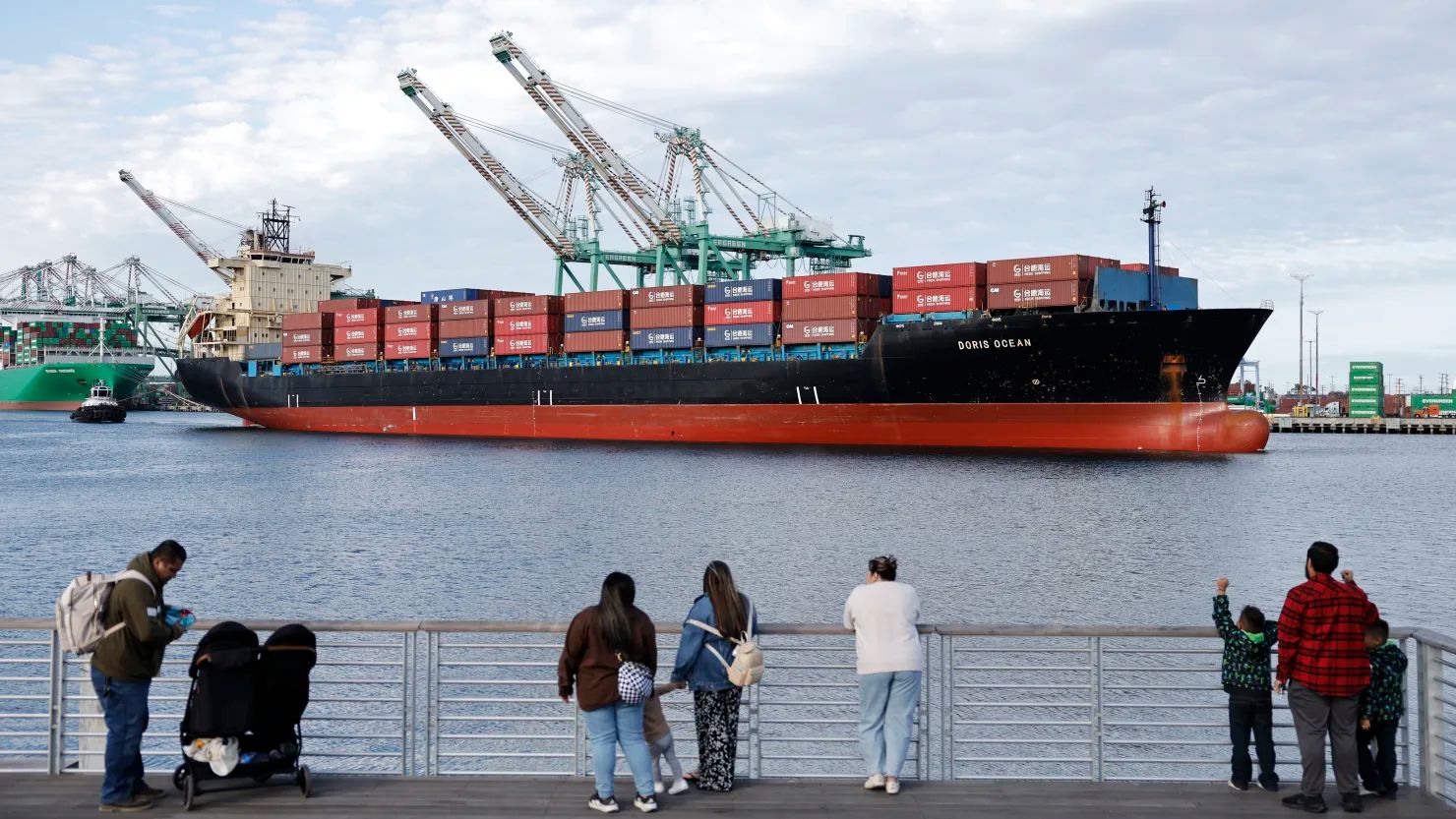





The Office of the United States Trade Representative (USTR) has unveiled a massive new protectionist framework, proposing punitive import duties on 60 global economies—including major trade partners like Pakistan, India, China, and the European Union. The move comes as the Trump administration aggressively maneuvers to rebuild its economic tariff agenda following recent domestic legal setbacks.
The US is proposing tariffs of at least 10% on imports from most major trading partners following an investigation into forced-labor practices, as Trump seeks to rebuild the sweeping tariff wall struck down by the US Supreme Court https://t.co/3YSfWZrsuD
— Bloomberg (@business) June 3, 2026
According to a formal government filing, the proposed tariffs will range between 10% and 12.5%. The penalties follow exhaustive Washington-led investigations into whether global trading partners effectively blocked imports produced via forced labor, and if their inaction economically disadvantaged American commerce.
On Tuesday, USTR Jamieson Greer announced that 54 economies—including China, India, Taiwan, Vietnam, and the United Kingdom—comprehensively “failed to impose and effectively enforce a forced labor import prohibition.” Six other vital economies, including Pakistan, Canada, Mexico, and the EU, were flagged for failing to effectively enforce existing prohibitions.
“The failure of our most important trading partners to address the importation of goods made with forced labor is unacceptable,” USTR Jamieson Greer stated. “This creates a dynamic where American workers are forced to compete globally on an unlevel playing field. We will no longer tolerate this disparity.”
The USTR confirmed it will levy a baseline 10% duty on a select tier of nations including Pakistan, Canada, Mexico, the EU, the UK, and Bangladesh, while a harsher 12.5% penalty will be applied to the remaining 45 investigated countries. The public has been invited to submit written arguments by July 6, 2026, ahead of formal USTR hearings. The aggressive timeline is strategically set to pre-empt the July 24 expiration of a 10% temporary tariff, which was hastily enacted after the U.S. Supreme Court struck down President Trump’s previous tariffs on February 20.
Critical Analysis: Legal Re-engineering, Global Backlash, and Supply Chain Exemptions
The USTR’s latest tariff offensive signals a profound evolution in international trade warfare, shifting from pure economic nationalism to the weaponization of global human rights metrics. A deep analytical breakdown reveals the following core insights:
Statutory Subterfuge: Circumventing the Supreme Court
The timing of this proposal is highly calculated. On February 20, the U.S. Supreme Court delivered a massive blow to the executive branch by striking down President Trump’s sweeping tariffs, which had been enacted under the International Emergency Economic Powers Act (IEEPA).
By pivoting to forced labor compliance under standard trade investigation codes, the Trump administration is effectively re-engineering its tariff walls. This pivot allows the White House to pursue its protectionist agenda through a legal loophole that is far more insulated from domestic judicial overrule, under the banner of protecting American workers from an “unlevel playing field.”
The Tiered Tariff Structure & Targeted Impact
The USTR has bifurcated the targeted economies into two clear risk-and-penalty tiers based on their perceived level of enforcement failure:
| Tariff Penalty Rate | Affected Global Economies (Partial List) | Enforcement Status Assessment |
| 10.0% Baseline Duty | Pakistan, Canada, European Union, Mexico, United Kingdom, Bangladesh, Taiwan, Ecuador | Possess anti-forced labor frameworks but fail to execute or enforce them effectively. |
| 12.5% Elevated Duty | China, India, Vietnam, and 42 other nations | Complete systemic failure to impose or effectively maintain forced labor import prohibitions. |
For Pakistan and India, these measures threaten vital export sectors—specifically textiles, apparel, and manufactured goods—that rely heavily on the North American consumer corridor for foreign exchange inflows.
The Hypocrisy of Pragmatic Exemptions
Despite the high-minded humanitarian rhetoric surrounding the investigation, the USTR has quietly carved out extensive exemptions for critical commodities. Items such as beef, coffee, specific fruits, nuts, and certain textiles are entirely excluded from the upcoming penalties.
This selective enforcement exposes the transactional nature of the policy: the U.S. is unwilling to impose tariffs on items that would immediately trigger rampant domestic food inflation or disrupt fragile American agricultural supply chains. Human rights compliance, it appears, stops where immediate consumer price shocks begin.
Coordinated Geopolitical Defiance
The international reaction to Washington’s announcement has been swift and deeply resistant, cutting across standard geopolitical alliances:
-
The Eastern Bloc: Chinese Foreign Ministry Spokesperson Mao Ning categorically denied the allegations, labeling the USTR probe as a toxic blend of “political manipulation” and illegal, unilateral protectionism.
-
The Western Alliance: The European Commission and the Swiss government both sharply rejected the U.S. findings, calling the tariffs completely “unjustified” and warning that the measures directly threaten the comprehensive trade agreements sealed with Washington last year.
This broad-spectrum resistance indicates that rather than forcing global compliance on labor standards, Washington’s aggressive tariff re-launch risks isolating the U.S. economy, fracturing Western trade coalitions, and triggering a highly volatile cycle of retaliatory global tariffs.