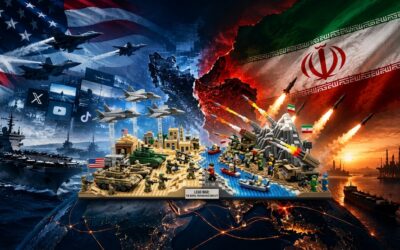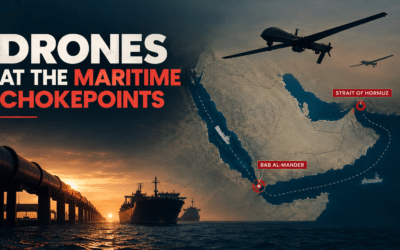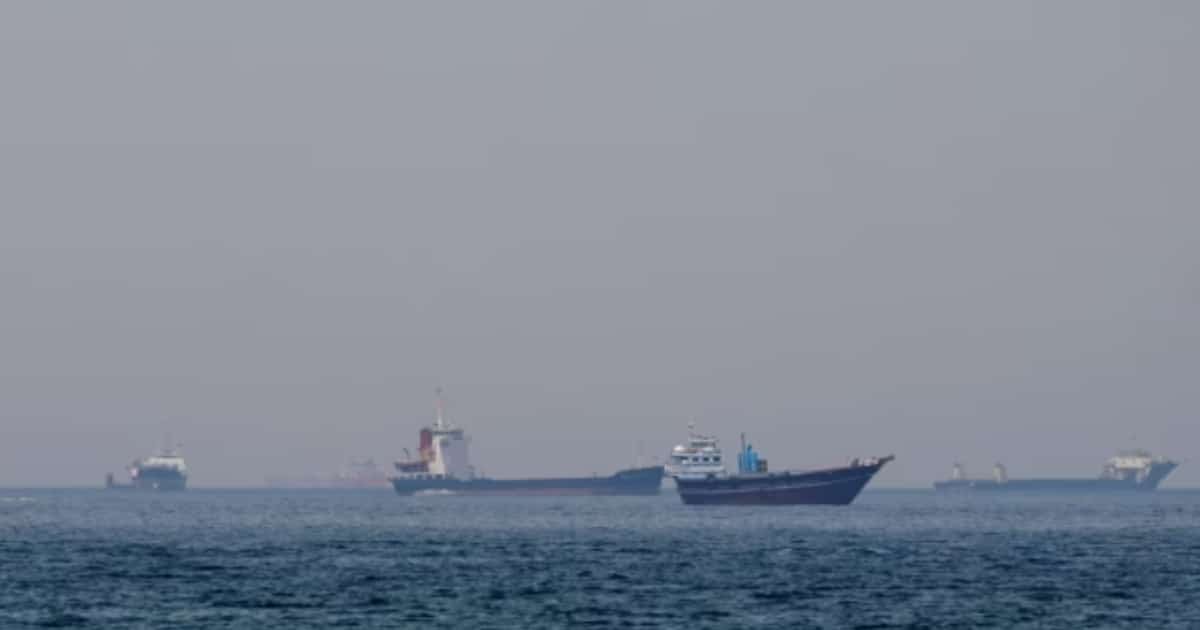



The situation in the Strait of Hormuz remains tense following the interception of two vessels by Iran’s Islamic Revolutionary Guard Corps (IRGC) Navy on Wednesday. The IRGC alleges that the vessels, identified as MSC Francesca (linked to Israel) and Epaminodes, were stopped for repeated violations, including unauthorized operation and tampering with navigation systems. Both vessels are currently being held in Iranian territorial waters for inspection. The UK Maritime Trade Operations (UKMTO) also reported earlier incidents of gunfire directed at cargo ships near Iran’s coast, further raising concerns about maritime security in the region.
Another ship targeted in Iranian waters
🔺A Greek ship named Euphoria was targeted by the IRGC and is now stranded off the coast of Iran.
— Mehr News Agency (@MehrnewsCom) April 22, 2026
These events coincide with heightened rhetoric from both Iran and the United States. The IRGC has declared its readiness to deploy new capabilities and respond decisively to any aggression. Meanwhile, Iranian military officials have stated that Iran would immediately strike pre-designated targets if the US launches a new attack. Despite these warnings, Iranian Ambassador to the UN Amir-Saeid Iravani has stated that there will be no talks with the US until the blockade is lifted.
Iran’s UN Ambassador Amir-Saeid Iravani has responded to US President Donald Trump’s announcement of an extension to the ceasefire, saying Tehran will not enter negotiations with the US unless the naval blockade is lifted. pic.twitter.com/xwgSyEZEoU
— Al Jazeera Breaking News (@AJENews) April 22, 2026
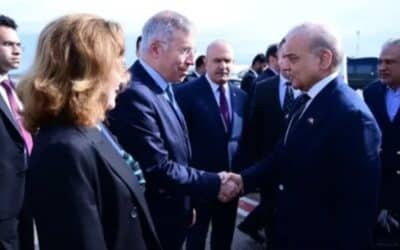
In a surprising turn, US President Donald Trump announced an indefinite extension of the ceasefire with Iran, following a request from Pakistani leaders. However, this announcement has been met with skepticism from some Iranian officials, who view it as a ploy. Trump’s decision comes amidst ongoing tensions, including the US Navy’s continued blockade of Iran’s trade by sea, which Iran considers an act of war.
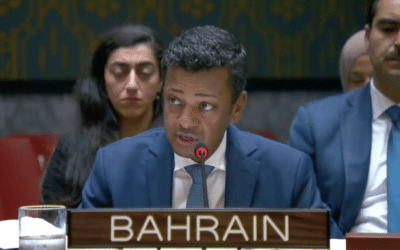
The Arab League has also weighed in on the situation, with foreign ministers demanding that Iran pay compensation for attacks on Arab countries and for the closure of the Strait of Hormuz. Bahrain’s Foreign Minister Abdullatif Al Zayani emphasized the disruption to maritime traffic and the threats to energy security, food supplies, and the global economy caused by Iran’s actions.
The conflict between the US, Israel, and Iran has had severe consequences, with over 5,000 civilian deaths and hundreds of thousands displaced, primarily in Iran and Lebanon. The virtual closure of the Strait of Hormuz has further exacerbated the situation, leading to soaring oil prices and fears of a global recession.
Despite the challenges, UN Secretary-General Antonio Guterres has welcomed the US ceasefire extension, emphasizing its importance in de-escalating tensions and creating space for diplomacy. Pakistan’s efforts to facilitate continued dialogue are fully supported by the UN, with hopes for a comprehensive and durable resolution to the conflict.
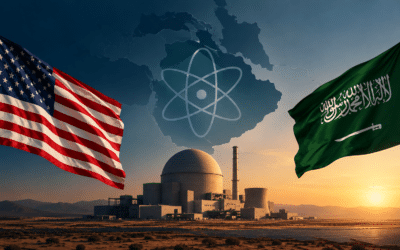
Negotiations between the US and Iran remain uncertain, with disagreements over Iran’s nuclear program and the US blockade. While the US claims it wants to prevent Iran from developing a nuclear weapon, Iran maintains that its nuclear program is for peaceful purposes and that it has a sovereign right to continue it.
You May Like To Read: IDF Punishes Soldiers for Vandalizing Jesus’ Statue in Lebanon
Check out our latest video: