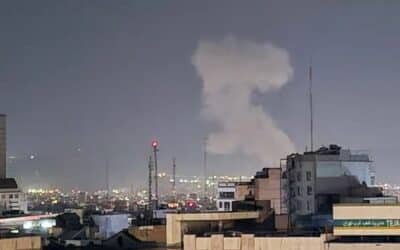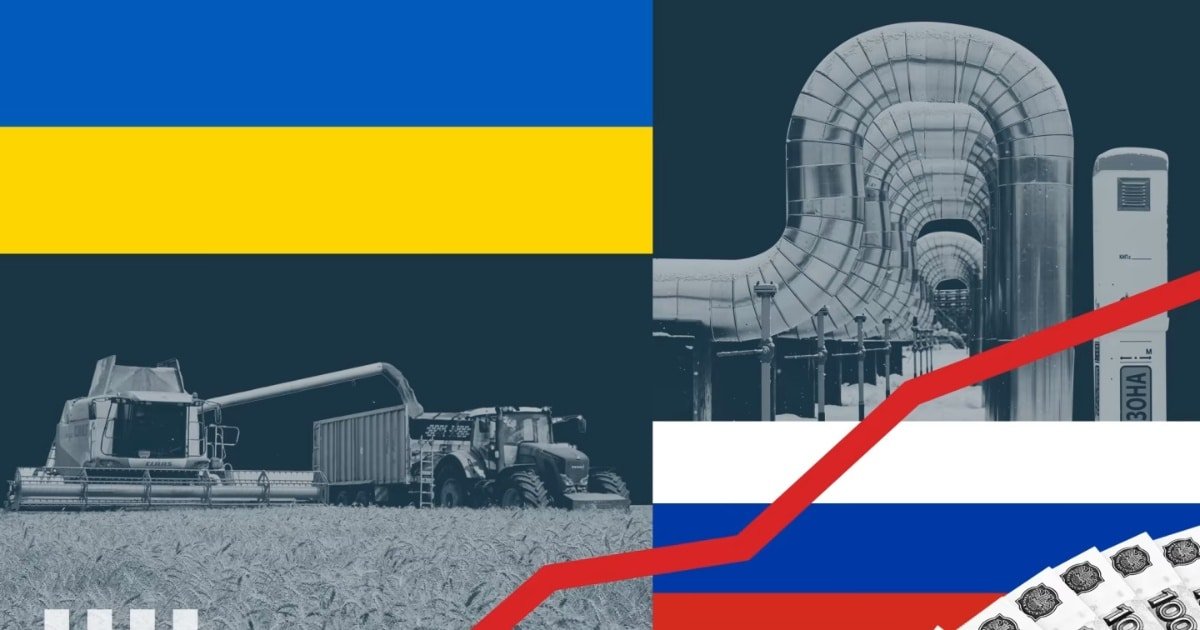





The war in Ukraine, far from being a regional conflict, has become a long tail event with profound and enduring consequences that are fundamentally reshaping global energy markets and resource security. While the immediate focus was on Europe’s scramble to wean itself off Russian fossil fuels, the lasting effects are now reverberating across the globe, influencing investment decisions, trade patterns, and geopolitical alliances.
Global Supply Chain Reconfiguration
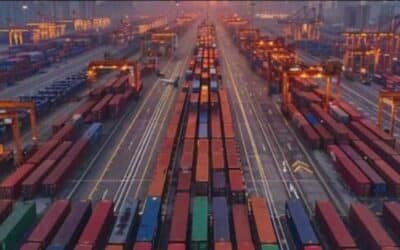
The most immediate and dramatic impact was the disruption of energy supply chains. Europe’s rapid decision to reduce its reliance on Russian oil and gas, which previously constituted a significant portion of its energy mix, created a massive vacuum in the market. This forced a global reallocation of energy resources.
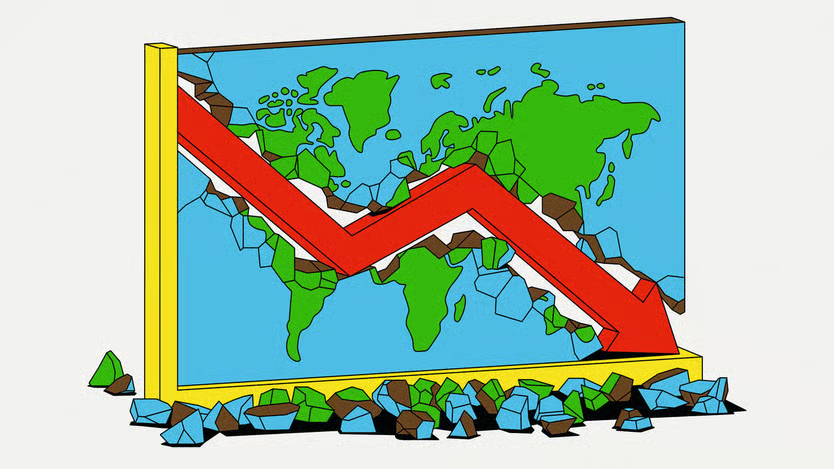
European nations, driven by both sanctions and a newfound sense of energy insecurity, have accelerated their transition to renewable energy and diversified their fossil fuel sources. The IEA’s World Energy Investment 2025 report confirms this trend, projecting a record $3.3 trillion in global energy investment for the year, with clean energy technologies attracting more than twice the capital of fossil fuels. This surge is a direct response to the geopolitical risks exposed by the war.
In a major geopolitical shift, Russia has pivoted its energy exports from Europe to Asia. This has been particularly evident with oil, where Russia has offered significant discounts to countries like China and India. This pivot is not just a temporary fix but a strategic realignment, with Russia developing new infrastructure and trade relationships to serve its new client base.
This has created new dependencies and alliances, with Asian nations benefiting from discounted prices while simultaneously allowing Russia to mitigate some of the financial impact of Western sanctions.
You May Like To Read: Tragedy Strikes Off Yemen Coast as Migrant Boat Sinks, 76 Dead
Furthermore, the disruption in pipeline gas from Russia to Europe has dramatically increased the demand for Liquefied Natural Gas (LNG). This has led to a boom in investment in new LNG facilities in countries like the United States, Qatar, and Canada. This surge in LNG capacity, however, comes with its own challenges, including high prices and increased competition, which disproportionately affects energy-importing nations without long-term contracts.
Implications for Energy-Importing Nations: The Case of Pakistan
For a country like Pakistan, which is a major energy importer with a pre-existing energy crisis, the Ukraine war has had a particularly severe and complex impact.
The global surge in energy prices, driven by the war and the subsequent supply chain disruptions, has hit Pakistan hard. The country has struggled to secure LNG cargoes at reasonable prices, as European nations, with their deeper pockets, have outbid it in the highly competitive spot market. This has led to power plant shutdowns, severe load shedding, and a sharp increase in domestic energy prices, contributing significantly to already high inflation.
Moreover, Pakistan’s inability to secure a long-term supply of discounted Russian oil, unlike its neighbor India, has been a key challenge. This has been attributed to a combination of geopolitical pressure and a lack of decisive policy. While there were discussions about such a deal, its failure to materialize has left Pakistan more exposed to volatile international markets.
The war has underscored the urgent need for Pakistan to implement a more robust and diversified energy strategy. This includes accelerating domestic exploration of natural resources, investing in renewable energy sources, and engaging in proactive resource diplomacy to secure long-term, stable energy contracts from a wider range of suppliers. The crisis has highlighted the vulnerability of relying on a limited number of energy sources and the importance of having a multifaceted approach to energy security.
International Sanctions and Resource Diplomacy
The war has demonstrated the power and limitations of international sanctions as a tool of foreign policy. While Western sanctions have successfully severed Russia’s energy ties with Europe, they have also had unintended consequences. The sanctions have not crippled Russia’s energy revenue as much as intended, due to its ability to redirect exports to Asia at discounted prices. This has created a bifurcated global energy market, with one bloc adhering to sanctions and another operating outside of them.
However, Russia’s pivot to Asia is not just an economic maneuver but a strategic one. It has strengthened its energy and geopolitical ties with countries like China and India, creating a new axis of cooperation that challenges the Western-led global order. This is evident in new energy projects, the use of non-dollar currencies for transactions, and increased diplomatic engagement.
You May Like To Read: Trump Accuses India of Financing Putin’s War—New Flashpoint in U.S.-India Tensions
The conflict has forced countries around the world to re-evaluate their resource diplomacy. Nations are now more acutely aware of the need to balance their traditional alliances with their immediate economic and energy needs. This is leading to a more multipolar world where countries are less willing to align strictly with one bloc, instead prioritizing their own national interests and forging new, pragmatic partnerships.
In conclusion, the Ukraine war’s long tail is a story of global energy transformation. It has accelerated the clean energy transition, reconfigured global trade routes, and created new geopolitical fault lines.
For energy-importing nations like Pakistan, the conflict has been a harsh reminder of their vulnerabilities and the urgent need to build resilient, diversified, and strategically sound energy systems. The global energy landscape is no longer defined by a simple West-East flow but by a complex web of new alliances, dependencies, and a renewed emphasis on energy security as a central pillar of national security.