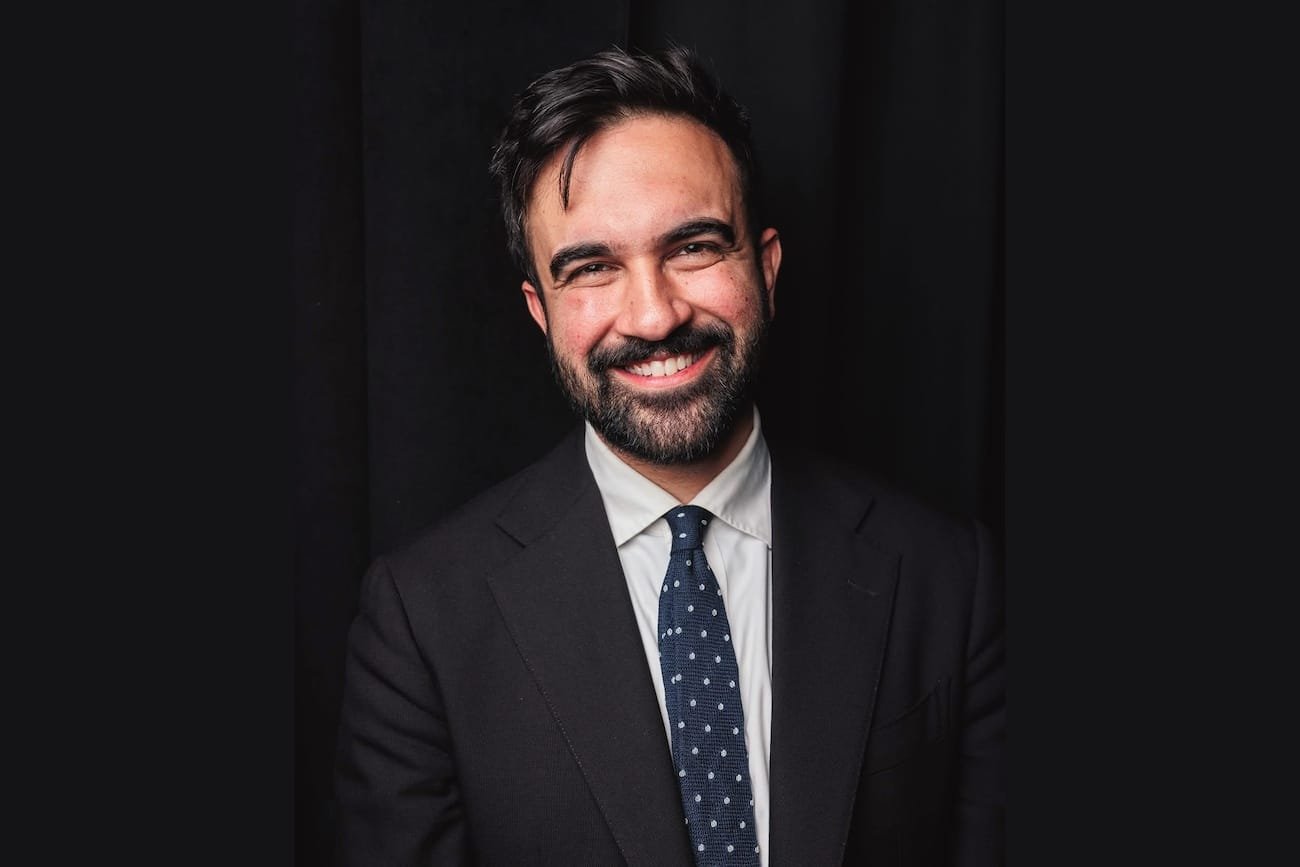




Zohran Kwame Mamdani, a 33‑year‑old New York State Assemblyman representing Queens (Astoria and Long Island City), shattered expectations in June 2025 by securing the Democratic nomination for New York City mayor. Born in Kampala, Uganda to Indian parents—his father a Gujarati Muslim academic and his mother a Punjabi Hindu filmmaker—Mamdani embodies a global, multicultural identity. He migrated to the U.S. at age seven and became a naturalized citizen in 2018. As the first South Asian man, second Ugandan-born, and only the third Muslim elected to the State Assembly, his rise has had profound symbolic and political resonance.
Political Platform: Zohranomics and Progressive Vision
Mamdani’s policies, branded colloquially as “Zohranomics,” center on working-class economic justice: rent freezes, fare-free buses, universal childcare, city-owned groceries, and a $30/hour minimum wage by 2030. He earned broad progressive support from groups like the Democratic Socialists of America (DSA), Alexandria Ocasio‑Cortez, and the New York Working Families Party, which ranked him as their leading mayoral pick in May 2025.
South Asian & Muslim Communities: Representation and Reaction
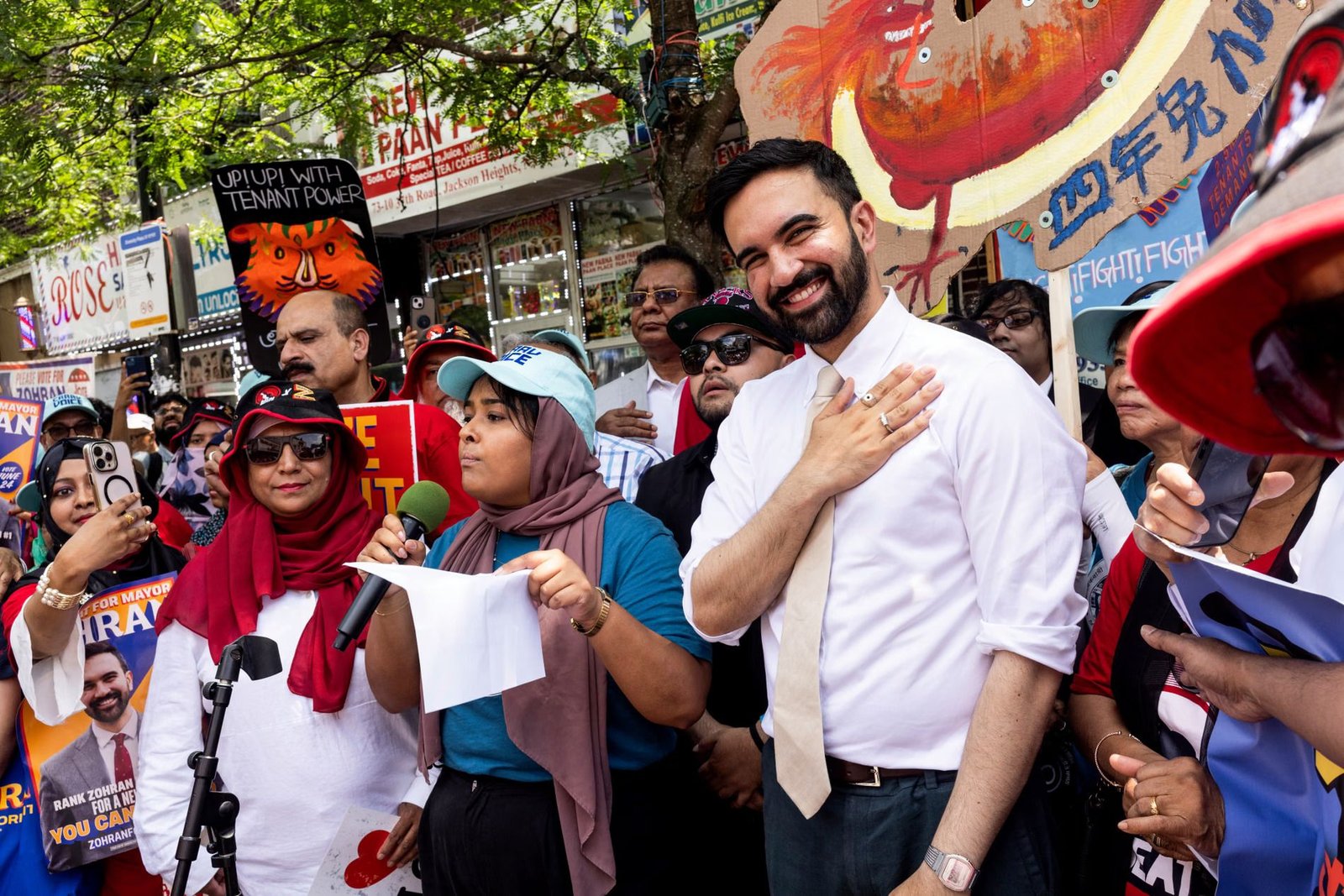
Mamdani’s campaign energized South Asian and Muslim voting blocs in New York City. His candidacy has been described as a “symbol of representation and hope” among Indo-Caribbean, Pakistani, Bangladeshi, and Muslim Americans—closing rifts created by Islamophobia and xenophobia post-9/11. His background strikes a chord in diasporic communities: a Pakistani Muslim narrative rooted in migration, global identity, and struggle for dignity in a major Western democracy. Many in these communities regard his success as a validation of immigrant aspiration and Muslim civic participation. Still, his candidacy also prompted internal debate within South Asian communities—particularly among Indian Americans—where Hindu/Muslim divisions surface amid discussions of faith, politics, and representation.
Islamophobia, Backlash & Cultural Stereotypes
Despite his authentic progressive agenda, Mamdani has faced overt Islamophobic and racist attacks. A campaign mailer from a PAC supporting his opponent skewered his image to invoke stereotypes—depicting him as a threatening “Muslim menace” based on his beard alone.
However, his ability to garner cross-cutting endorsements—from Jewish community leaders, unions, mothers’ groups, and civil rights advocates—has underscored the rejection of polarizing identity politics by many voters.
A Pakistani Muslim Perspective
From a Pakistani lens, Mamdani’s journey intersects with themes of exile, identity, and diaspora. Though not Pakistani by heritage, his Muslim roots and South Asian identity resonate deeply with Pakistan-origin communities abroad, who often navigate both faith and cultural identity in diasporic space.
You May Like To Read:
His political style—rooted in grassroots organizing, anti-rent profiteering activism, and solidarity with immigrant labor—mirrors many struggles faced by Pakistani communities around affordability, discrimination, and civic representation. His campaign slogan “Roti and Roses,” symbolizing both survival and dignity, reflects narratives familiar to families striving under economic precarity.
Moreover, his vocal support for Palestinian rights and criticism of U.S. aid to Israel have attracted solidarity from progressive sections of Pakistani Americans—but also scrutiny and pushback from more centrist Hindutva-aligned factions in South Asian communities.
Implications & Significance
- Broader Representation: Mamdani’s candidacy marks a shift in American urban politics—affirming Muslim-American and South Asian visibility in leadership roles.
- Diasporic Symbolism: His narrative symbolizes possibility for Pakistani Muslims and South Asians navigating racism and underrepresentation globally.
- Progressive Platform: By foregrounding affordability and public services, his campaign merges identity-based representation with universal working-class politics.
- Intersectional Backlash: The dual challenges of Islamophobic caricatures and internal intra-community critiques underline the complexities of representing faith in politics.
Zohran Mamdani is more than an insurgent candidate in NYC politics—he is a reflection of evolving South Asian and Muslim diasporic identity in democratic engagement. For Pakistani and Muslim observers, his rise embodies hope: that equitable representation, intersectional justice, and cultural pluralism are not ideological fringe but mainstream necessity. As he moves toward the general election, his campaign may well redefine not only New York’s political landscape but also the scope of South Asian Muslim influence in American civic life.