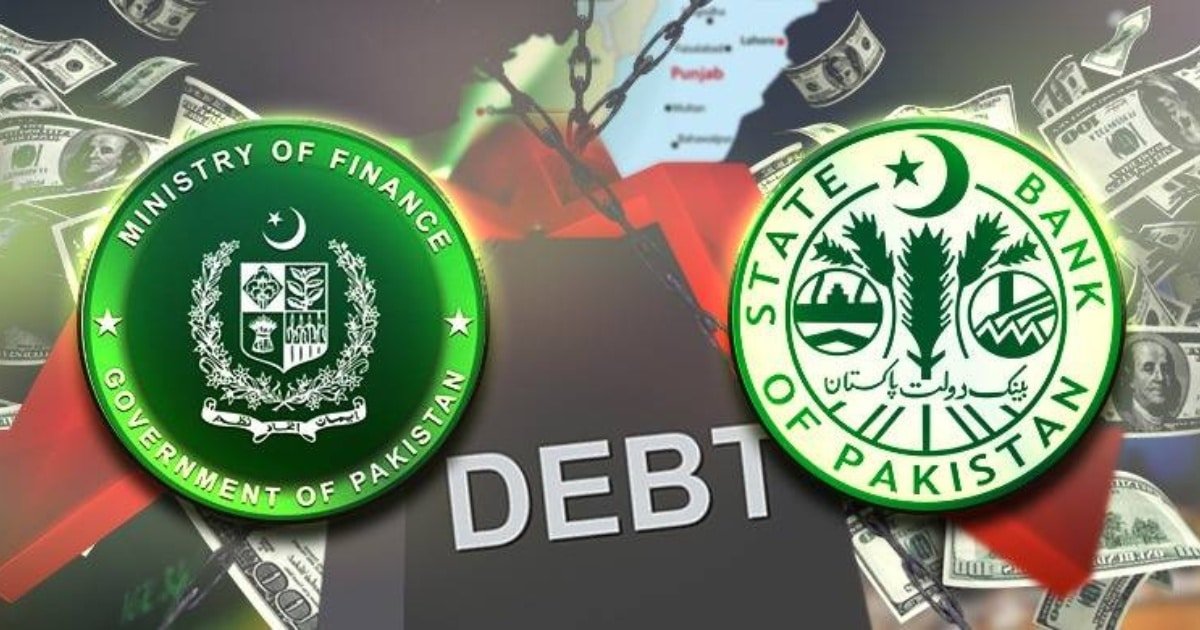





The national debt has proven to be a major problem in Pakistan as it has a direct impact on investment capacity by the country in key infrastructure, social projects and economic growth. By the year 2024, the national debt is estimated to be above USD 130 billion, which is still increasing because of both internal and external loans. The debt load is not only unsustainable but putting the country on long term fiscal prowl.
The Rise of Pakistan’s National Debt
Pakistan’s national debt has grown at a rapid pace over the past decade. Several factors contribute to this surge:
- Chronic budget deficits: Pakistan has consistently spent more than it earns, relying on borrowed funds to cover the gap.
- High defense and security expenditures: The military’s budget takes up a significant portion of Pakistan’s spending, contributing to the national debt.
- Inflation and currency depreciation: High inflation and a depreciating currency have made borrowing more expensive, increasing the debt burden.
In 2024, Pakistan’s external debt was around USD 86.6 billion, while domestic debt reached approximately USD 85 billion.
Economic Consequences of Growing Debt
The growing debt load has multiple negative consequences for Pakistan’s economy:
- Limited Government Spending: A large portion of the budget is consumed by debt servicing (repaying interest on loans), leaving little for development and public welfare programs like education, healthcare, and infrastructure.
- Rising Inflation: Debt financing through money printing by the central bank can lead to higher inflation, eroding the purchasing power of ordinary citizens.
- Reduced Foreign Investment: High debt levels may lead to a reduction in foreign investments, as investors may view the country as a risky environment.
- Increased Dependency on External Aid: A large debt burden increases Pakistan’s dependency on financial assistance from international organizations like the IMF (International Monetary Fund), placing Pakistan at a disadvantage in economic negotiations.
The IMF Dilemma: Pakistan’s Dependency on Financial Institutions
One of the main concerns in Pakistan is its growing dependence on the IMF and its other international financial institutions regarding loans. Pakistan has continuously signed contracts with IMF to obtain bailout funds over several years and loans carry with them harsh policy requirements like austerity, taxation rates, and structural reforms.
The IMF loans have been beneficial in the short-run but have led to chronic economic turbulence in the long run:
- Harsh austerity measures: These measures often involve cuts to public spending, which hurt the country’s poor and middle class.
- Debt Trap: With rising debt and mounting interest payments, Pakistan remains trapped in a cycle of borrowing.
- Policy sovereignty: The country often has to adjust its domestic policies to align with IMF recommendations, which may not always reflect the needs or realities of Pakistan’s economy.
While the IMF’s support is essential for stabilizing the economy, it has also highlighted Pakistan’s limited fiscal sovereignty and the need for homegrown solutions to its debt problem.
#IMF’s Corruption Assessment Mission flags gaps in #Pakistan’s system to curb graft & abuse of power, urging reforms in govt contracts & public office oversight.
It praised SBP, SECP & FBR steps but warns of limited data access on influential figures. #SamaaTV @shakeel_ahmed9 pic.twitter.com/21ia6KIRVw
— SAMAA TV (@SAMAATV) August 12, 2025
The Tax Collection Dilemma
One of the primary reasons for Pakistan’s increasing debt is its inability to generate sufficient revenue through taxes. The country’s tax-to-GDP ratio remains among the lowest in the world, hovering around 10%.
Key issues include:
- Inefficiency in tax collection: The Federal Board of Revenue (FBR) struggles with outdated systems, limited reach, and corruption within the tax administration.
- Wide informal economy: A large portion of Pakistan’s economy operates informally, and businesses and individuals avoid paying taxes.
- Exemptions and subsidies: Many industries and sectors, particularly large ones like agriculture, enjoy tax exemptions, reducing the government’s revenue intake.
Improving tax collection is critical for reducing Pakistan’s reliance on foreign loans and ensuring that the country can finance its own development.
You May Like To Read: Russia-Ukraine War | The New Energy Order
Tax Reforms for Debt Reduction: The Path Forward
Addressing Pakistan’s tax issues is central to tackling its growing debt. Comprehensive tax reforms are necessary, which could include:
- Broadening the tax base: Pakistan needs to bring more people into the tax net, particularly in rural areas and the informal sector.
- Digitalization of Tax Collection: Implementing modern digital platforms could help track transactions, reduce corruption, and make tax collection more efficient.
- Progressive Tax System: Implementing a more progressive tax system where the wealthy and large corporations pay higher taxes could help reduce inequality and increase government revenue.
- Reducing Exemptions: Tax exemptions for powerful industries and individuals should be phased out to ensure that everyone pays their fair share.
If Pakistan can increase its tax revenue, it could reduce its reliance on external debt and improve its fiscal position.
Investing in Infrastructure and Economic Growth
Reducing the national debt requires a long-term strategy that focuses on boosting economic growth. Key areas of focus include:
- Infrastructure Development: Investing in infrastructure such as roads, energy, and technology could spur economic activity and create jobs.
- Industrialization: Pakistan needs to focus on boosting local industries, particularly in manufacturing, which can reduce imports and increase export revenue.
- Renewable Energy Investment: Shifting to renewable energy sources like solar and wind can reduce energy costs, which are a significant burden on Pakistan’s economy.
By focusing on these sectors, Pakistan can create a more self-sustaining economy, which will reduce its reliance on external borrowing.
You May Like To Read: U.S. and China Extend Trade Truce for 90 Days
Conclusion: A Path to Sustainable Fiscal Health
National debt is a big problem that Pakistan faces, however it is not impossible to overcome. Through tax efficiency, less use of IMF loans, and pro-growth policies, Pakistan can ease its debt burden and achieve a more permanent fiscal position. Adopting sustainable economic practices, maintaining fiscal discipline, and implementing an inclusive growth that is beneficial to all the citizens are key.
Pakistan should take an initiative not only to overcome the debt crisis but to create a new and stronger and more robust economy.