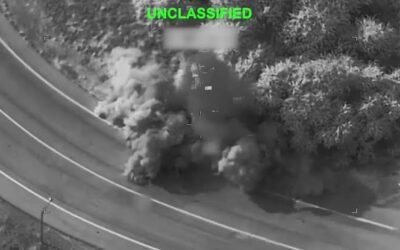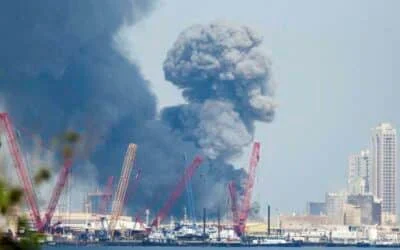


Sudan’s humanitarian crisis is being exacerbated by deliberate obstruction, with warring factions actively preventing aid delivery. As outlined in OCHA’s December 2024 access monitoring report, Sudan’s warring parties continue to systematically obstruct aid delivery despite nominal commitments. While authorities approved two routes to Khartoum in December 2023—enabling a WFP convoy to deliver food for 78,000 people for the first time in eight months—the Rapid Support Forces (RSF)-affiliated Sudanese Agency for Relief and Humanitarian Operations (SARHO) has since imposed new restrictive regulations in violation of the Jeddah Declaration.
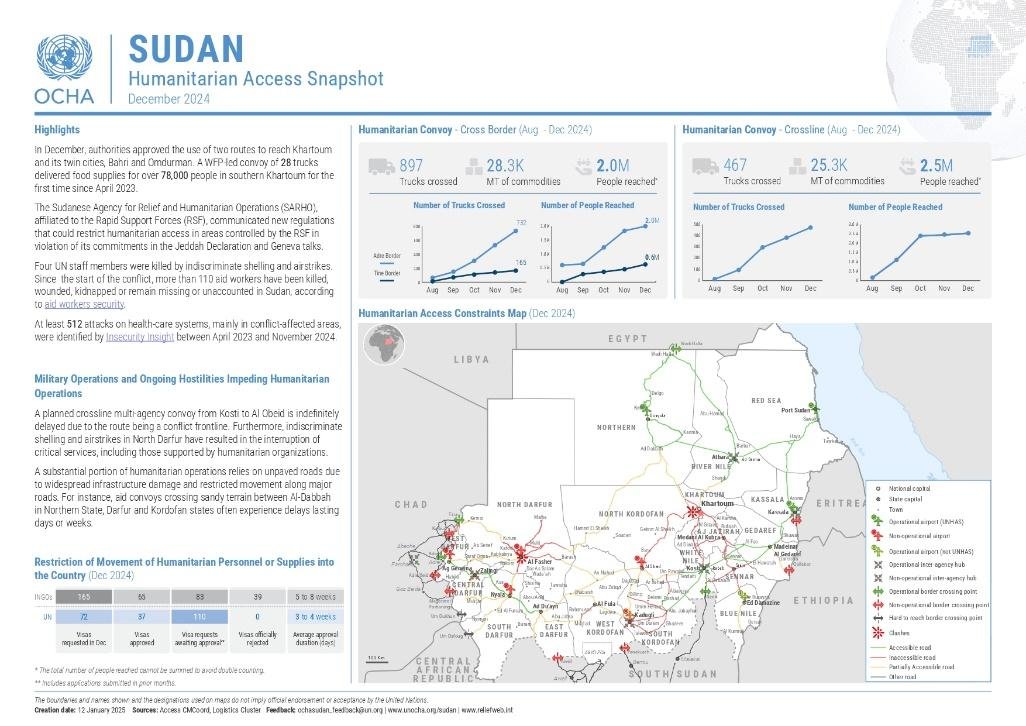
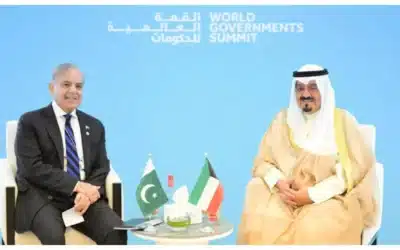
Source: UN OCHA
Bureaucracy of Death: Sudan’s Paper Blockades Kill More Than Bullets
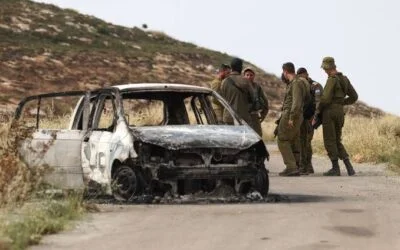
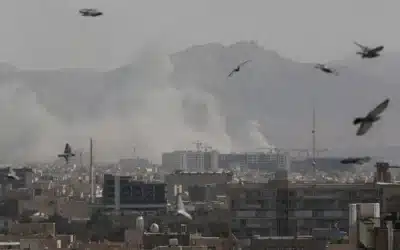
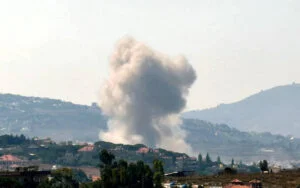
The security situation remains dire, as CNN investigations confirm that at least four UN staff were killed recently by indiscriminate shelling.
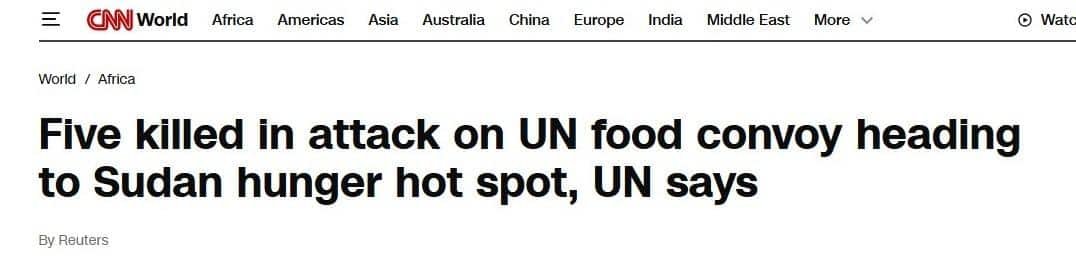
Source: CNN
The victims included two Sudanese aid coordinators and international humanitarian workers caught in crossfire during a failed ceasefire. Eyewitnesses described artillery barrages hitting marked UN facilities in Khartoum North, with rescue teams unable to reach the wounded for hours due to ongoing bombardment.
Cumulative data reveals more than 110 aid workers killed, wounded or missing since the conflict began, alongside a recent Insecurity Insight report that reveals a disturbing pattern of attacks on medical infrastructure, with 476 recorded cases of healthcare violence or obstruction occurring between April 2023 and mid-October 2024 amid clashes between SAF and RSF forces.
The Failure of Regional and International Actors in Sudan’s Crisis
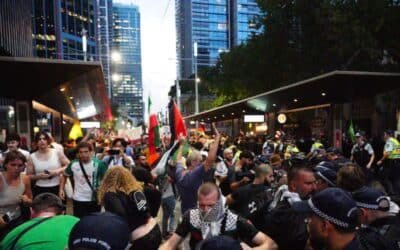
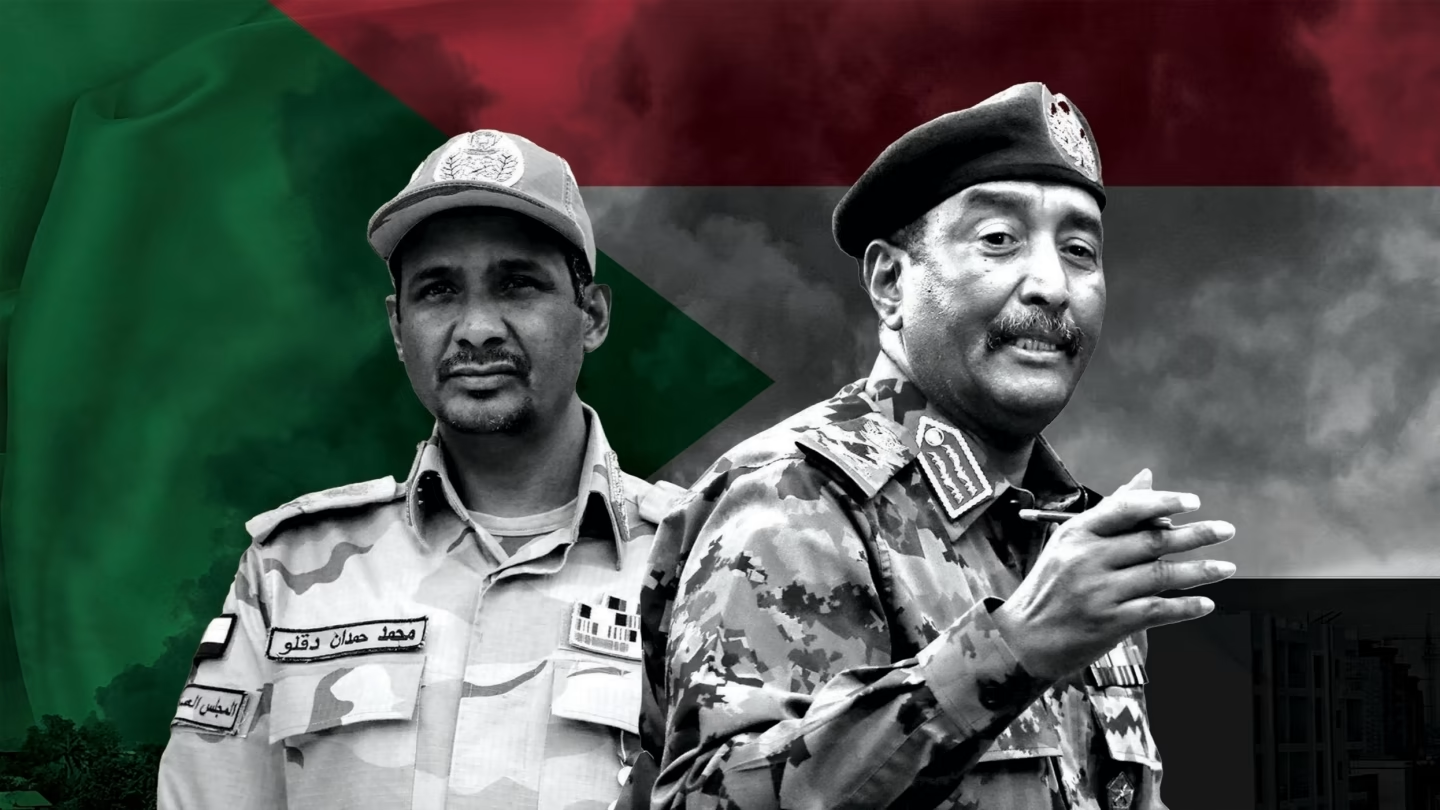
Regional and global powers have repeatedly failed to halt Sudan’s collapse, with competing interests and weak enforcement enabling continued atrocities. The African Union (AU) and IGAD have brokered over 12 failed ceasefires, undermined by member states like Egypt (backing SAF) and the UAE (arming RSF). The Jeddah Talks, co-sponsored by the U.S. and Saudi Arabia, collapsed after both warring factions violated agreements without consequences.
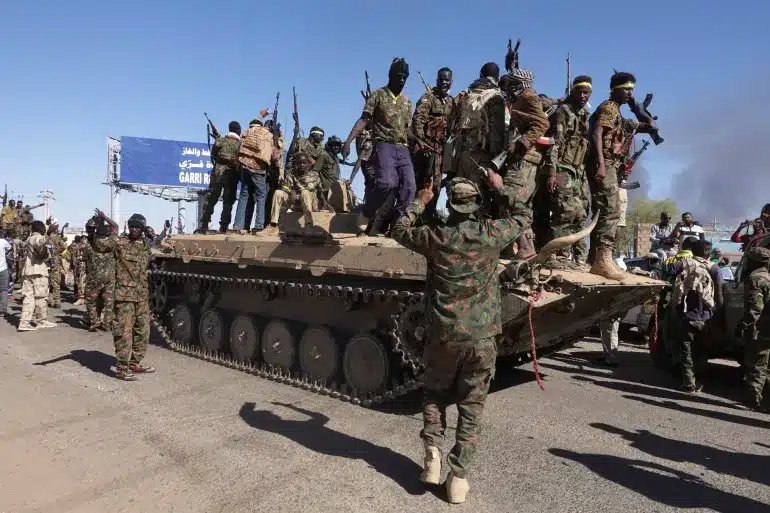
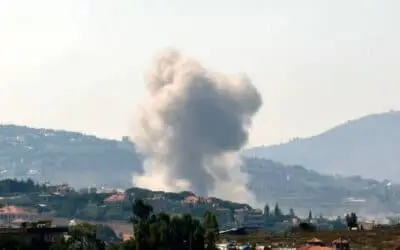
Courtesy of Al Jazeera
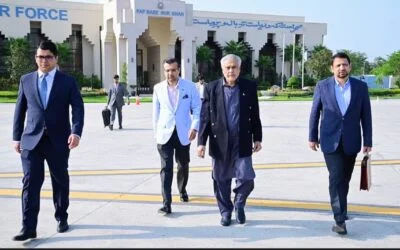
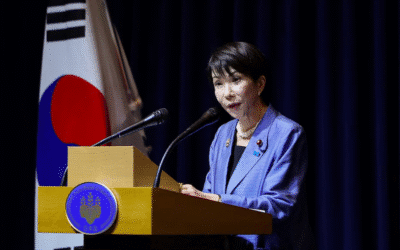
The UN Security Council remains paralysed by geopolitical rivalries. Russia and China have blocked sanctions, dismissing the crisis as “internal affairs.” Meanwhile, Western nations fund 85% of humanitarian aid ($2.6 billion in 2024) but refuse to sanction the RSF’s financial lifelines, including the UAE-facilitated $1 billion annual gold trade. The ICC, despite documenting mass graves in Darfur, has issued no new indictments since 2023—a stark contrast to its rapid response in Ukraine.
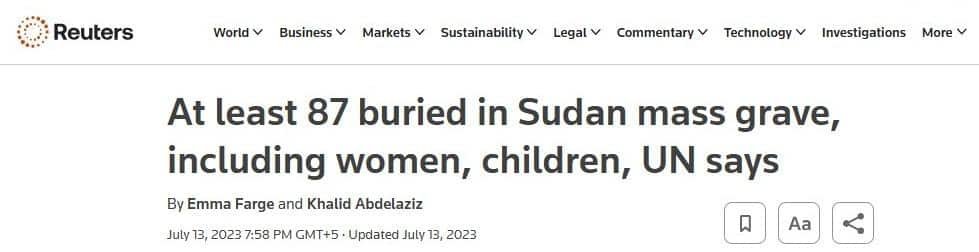
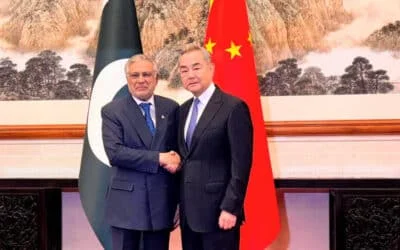
Source: Reuters
Without concrete action, such as strictly enforced arms embargoes and targeted sanctions against those funding the war, Sudan’s violence will only worsen. As Refugees International stated, Neutrality in this conflict is tantamount to supporting the perpetrators. Hence, the international community’s failure to act is not merely negligence, it is enabling mass atrocities.
Empty Promises, Real Graves: The Deadly Consequences of Half-Measures in Sudan
The international community’s inadequate responses to Sudan’s crises reveal painful but crucial lessons. The Darfur genocide (2003-2008) shows what happens when the world responds too late. For five deadly years, global powers debated while atrocities escalated, eventually deploying a weak UN-AU peacekeeping force (UNAMID) that arrived understaffed and underfunded. By then, the violence had already claimed over 300,000 lives. This tragedy teaches us that symbolic peacekeeping missions and temporary ceasefires achieve nothing when perpetrators face no real consequences.
The same failures are repeated in South Sudan’s ongoing conflict (2013-present). Despite arms embargoes, weapons kept flowing to war criminals who then manipulated peace agreements to maintain power. When the international community dismisses such violence as “internal affairs,” it effectively permits mass atrocities to continue unchecked. These cases prove that without robust enforcement mechanisms and genuine political will, diplomatic solutions remain empty gestures.
Most damning is the contrast between global responses to different crises. Some conflicts spur action, while others, like Sudan’s, face endless delays and half-measures. This inconsistency does not just fail victims – it encourages future atrocities by demonstrating that accountability depends on geopolitics rather than justice. The clear lesson: the world must either consistently enforce humanitarian principles or stop pretending they matter at all.
Conclusion
Sudan’s crisis is a man-made catastrophe fueled by global indifference and geopolitical manoeuvring. The systematic obstruction of aid, the targeting of humanitarian workers and the weaponisation of starvation reveal a chilling truth: the warring factions continue their atrocities because the world lets them.
The international community’s half-hearted responses –broken ceasefires, unenforced sanctions, and hollow condemnations have only deepened the suffering. Over 300,000 dead in Darfur, millions displaced today, and still, the cycle repeats. The lesson is clear, without coercive action –strict arms embargoes, asset freezes on enablers and ICC prosecutions, Sudan’s war will rage on, and the graves will multiply.
The time for empty promises is over. If “never again” is to mean anything, it must start with sanctioning the UAE’s gold trade, cutting off arms flows, and isolating the perpetrators diplomatically and financially. The victims of Sudan deserve more than sympathy, they deserve justice. History will judge this moment not by the statements made, but by the actions taken. Will the world finally act, or will it watch as Sudan burns?