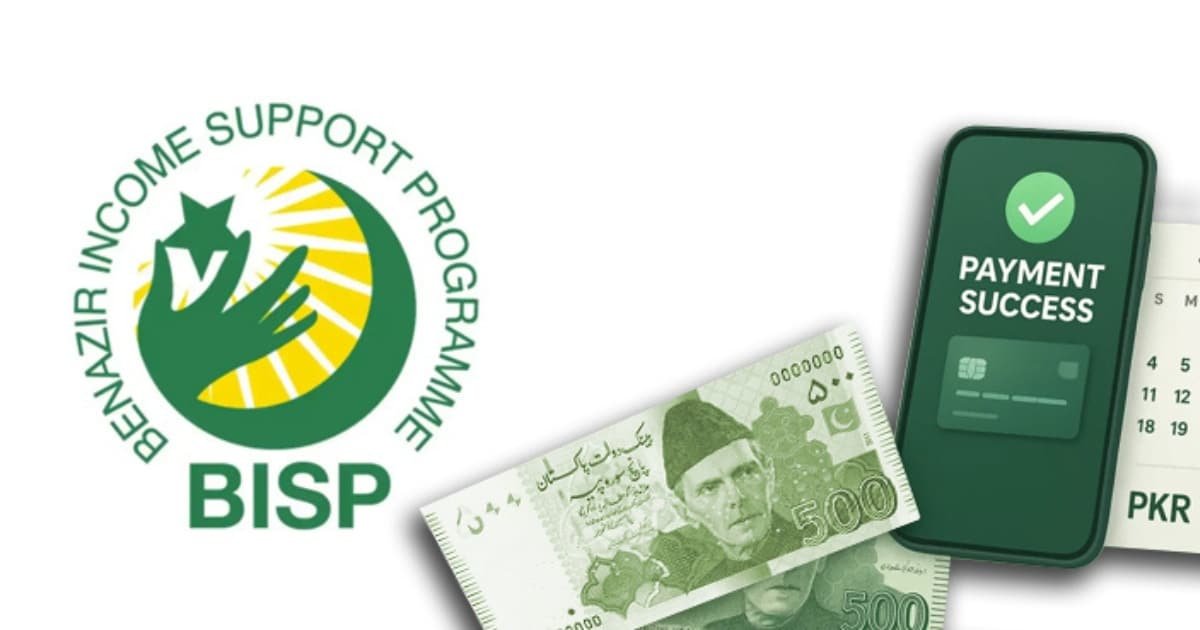





For over 15 years, the Benazir Income Support Programme (BISP) has been a financial lifeline for millions of Pakistanis living below the poverty line. With its vast reach supporting over 9.3 million families as of 2024, it has provided a safety net in the face of inflation, unemployment, and economic fragility.
But a key question lingers: Is cash support enough to end poverty? Or are we just sustaining the poor, not empowering them?
The Shift from Support to Self-Reliance
In a major policy evolution, BISP is now launching the Benazir Hunarmand Programme (BHP) a structured skills development initiative aimed at equipping beneficiaries with market-relevant skills.
According to BISP Chairperson Senator Rubina Khalid, “BISP is no longer just about financial support. With Hunarmand, we are enabling people to stand on their own feet.” This program aims to move beyond passive welfare and into active empowerment.
What Is BHP?
- Vocational training in trades like tailoring, plumbing, digital marketing, and IT.
- Special focus on women, rural youth, and underrepresented regions.
- Integration with a digital Hunarmand Portal for tracking and connecting to job markets.
You May Like To Read:The Political Discourse Deteriorates | Personal Attacks Replace Policy Debates
The Global Precedent: Relief Must Lead to Empowerment
Across the world, countries have learned that cash transfers work best when paired with investment in human capital.
- Brazil’s Bolsa Família reduced poverty and improved education and health by linking aid to school attendance and vaccinations. Source: World Bank
- Bangladesh’s BRAC Graduation Model moved over 95 percent of participants into sustained livelihoods by combining aid with skills, mentoring, and productive assets. Source: CGAP/World Bank
These examples show that skills, conditional aid, and market access are essential to breaking the cycle of generational poverty.
Pakistan’s Poverty Puzzle: More Than a Monthly Stipend
Despite record budget allocations PKR 716 billion for BISP in FY 2025-26, millions remain economically stagnant.
Shazia Bibi from Multan says, “BISP helped us survive, but it was never enough. I hope learning tailoring through the new program helps me earn and live with dignity.”
In Islamabad’s outskirts, Sughran Bibi sees hope in digital training: “If my children learn digital skills, they can start earning online. That’s the kind of help we need—not just money, but direction.”
These voices echo a national truth: relief without opportunity reinforces dependency.
The Core Challenge: No Exit Strategy Yet
Experts argue that BISP lacks a clear progression model. Beneficiaries receive support, but there’s no structured path to economic independence.
Without an exit strategy, the program risks creating a cycle of permanent dependence a burden on both the economy and society.
The ideal three-stage model would include:
- Emergency Relief – to cover basic needs.
- Social Investment – linking aid to schooling, health, and skills.
- Economic Mobility – enabling self-reliance through assets and market integration.
Can Hunarmand Programme Bridge the Gap?
The launch of BHP on June 21st, coinciding with the birth anniversary of Shaheed Mohtarma Benazir Bhutto, reflects the original vision: “Skill is your asset.”
The focus now is on competency-based, demand-driven skills that are not only employable but sustainable. This includes trades such as:
- Mobile repair
- Sewing and fashion design
- Welding and electrical work
- Digital freelancing
BISP’s new digital portal will match skill training to job market needs—a major step toward labour market alignment.
What Still Needs to Change?
- Monitoring Outcomes, Not Just Enrollments
- Skills training must lead to real jobs or income.
- Transparent tracking systems are essential.
- Integrating Women into the Workforce
- In 2023, only 21% of Pakistani women participated in the labour force.
- BISP must ensure women are linked to home-based or flexible work opportunities.
- De-Politicising Selection and Delivery
- Inclusion errors still plague the system.
- Strong oversight and grievance redressal mechanisms are needed.
- Scaling Up Gradually
- Pilots should be launched in targeted districts, especially in South Punjab, Interior Sindh, and Balochistan.
- Only after refining, should national expansion be pursued.
You May Like To Read: The Political Discourse Deteriorates | Personal Attacks Replace Policy Debates
The Risk: From Safety Net to Dependency Trap
Without reform, unconditional cash transfers, though compassionate, risk becoming permanent handouts rather than bridges to opportunity. The long-term goal must be to transform BISP from a poverty stabiliser to a mobility accelerator.
As Dr. Sania Nishtar, former Special Assistant to PM, once noted, “Social protection is not about charity. It’s about empowering people to participate in the economy.”
Conclusion: Dignity Over Dependency
BISP has saved lives. Now it must help build them. With BHP, the government has a chance to redefine poverty alleviation in Pakistan. But success depends on execution, integrity, and vision. It’s time we move from handing out cash to handing over tools, so people can earn, grow, and thrive with pride.