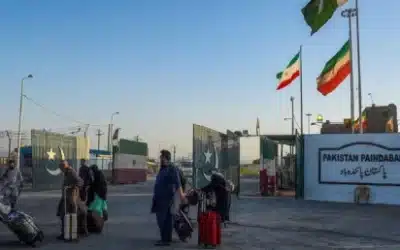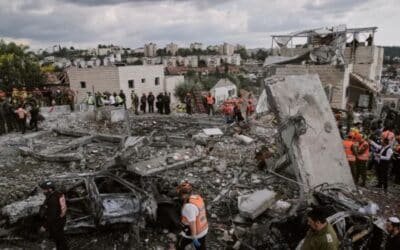
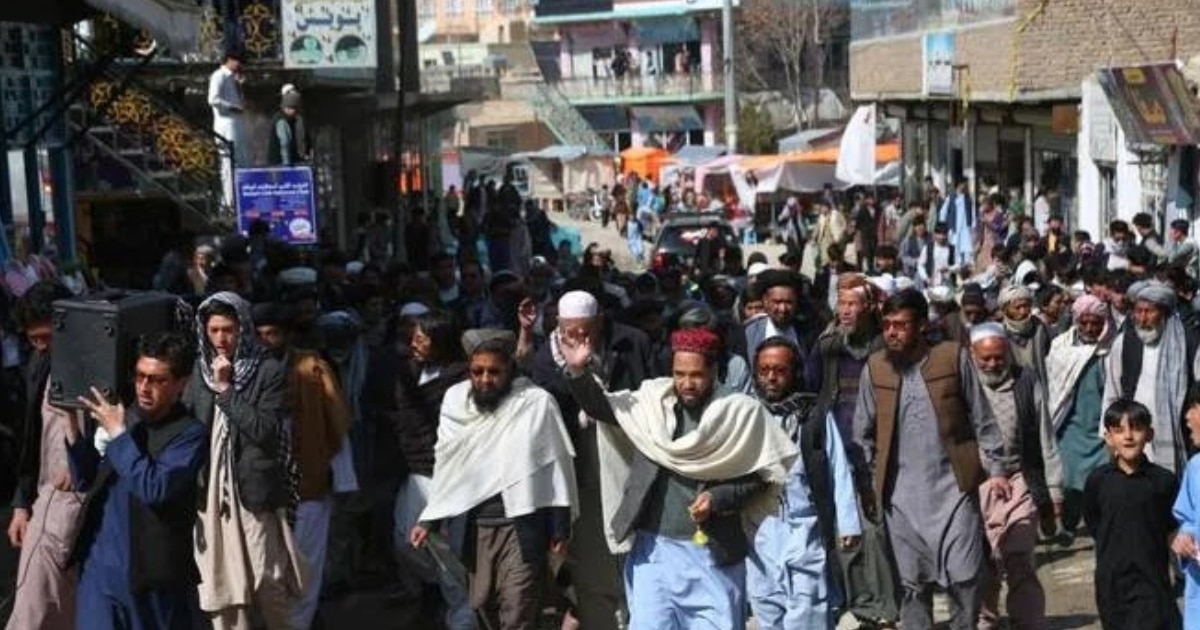



The border between Pakistan and Afghanistan witnessed intensified shelling and explosions, marking the seventh day of the most severe military confrontation between the two nations in years. The conflict, which escalated following Pakistani airstrikes on major Afghan cities, has left residents on both sides living in constant fear. In border towns like Landi Kotal and Lal Pur, families reported that heavy artillery exchanges typically begin at sunset, coinciding with the breaking of the Ramadan fast.
Heavy shelling, explosions spark fear along Pakistan-Afghanistan border https://t.co/OixN6s3nCi
— Reuters Asia (@ReutersAsia) March 4, 2026
The humanitarian toll is mounting rapidly. The Taliban government reported on March 3 that over 8,000 Afghans have been displaced, while officials estimate that approximately 1,500 families are currently living in makeshift tents or open fields. Afghanistan’s defense ministry claims that 110 civilians have been killed since hostilities began, though the United Nations has confirmed 42 deaths so far. In a significant escalation, Pakistan confirmed striking “critical equipment” at Bagram Air Base, while the Taliban claimed to have downed a Pakistani drone and captured seven border posts on Wednesday.
You May Like To Read: Mojtaba Khamenei Elected as Iran’s Third Supreme Leader
Amid the chaos, Turkish President Recep Tayyip Erdoğan has offered to mediate a ceasefire, filling a diplomatic void left by other regional powers currently distracted by the U.S.-Iran-Israel conflict. While Islamabad maintains it is only targeting militant infrastructure, the proximity of the strikes to civilian areas has triggered a mass exodus. International observers warn that without immediate de-escalation, the border region faces a protracted humanitarian catastrophe.
Check out our latest video: