


The False Narrative and the Reality of Pakistan’s Position
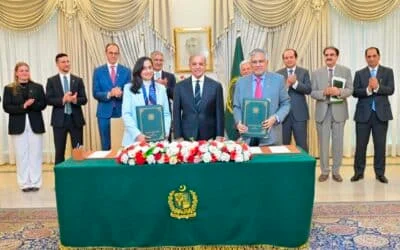
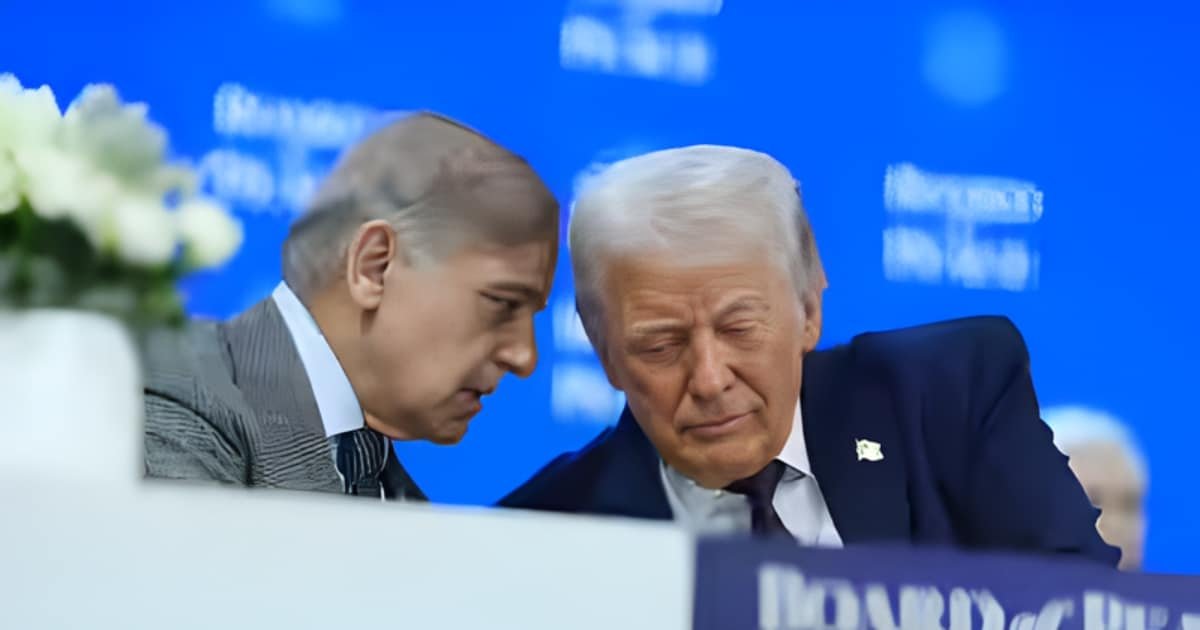
In recent times, a lot of criticism has emerged around Pakistan’s association with the Board of Peace (BoP), especially on social media and digital platforms. A strong narrative is being pushed that Pakistan has somehow “recognized Israel” by joining or engaging with this platform. This claim has created confusion, anger, and emotional reactions among people who deeply care about Pakistan’s ideological, religious, and political stance on Palestine.
However, this narrative is misleading, oversimplified, and far from reality. Pakistan’s official position on Israel has not changed, and there has been no formal recognition, diplomatic acceptance, or policy shift announced by the state.
What is happening instead is a classic case of misinformation mixed with emotional manipulation. The Board of Peace is not a state recognition platform, nor is it a diplomatic treaty organization that changes foreign policy positions. It is a dialogue-based international platform focused on peace-building, conflict resolution, humanitarian cooperation, and global engagement. Participation in such forums does not equal ideological alignment, diplomatic recognition, or political surrender. Pakistan has historically engaged with many international platforms that include countries with opposing ideologies, yet its national policies have always remained clear and consistent.
Reducing Pakistan’s participation in BoP to a single emotional slogan ignores diplomatic realities. Global engagement today is complex. Countries interact on multiple platforms without compromising their core principles. Dialogue does not mean agreement, and presence does not mean acceptance. Pakistan’s involvement in international peace platforms is part of modern diplomacy, not ideological betrayal. The narrative being pushed is not based on policy facts, official statements, or legal decisions. It is based on fear-driven interpretation, not evidence.
Strategic Gains and Diplomatic Leverage for Pakistan
Joining the Board of Peace offers Pakistan strategic leverage on multiple levels. First, it gives Pakistan a voice in international peace discourse. Instead of being isolated or misrepresented by others, Pakistan gets a platform to present its own narrative and its own perspective on global conflicts, justice, and human rights.
Secondly, BoP strengthens Pakistan’s soft power. Soft power is not built through weapons or pressure; it is built through dialogue, diplomacy, humanitarian values, and moral positioning. By engaging in peace platforms, Pakistan presents itself as a responsible, peace-seeking state rather than a reactionary one. This improves Pakistan’s global image, credibility, and influence, especially in international institutions and diplomatic circles.
Thirdly, Pakistan gains diplomatic access. Platforms like BoP create informal diplomatic channels that allow communication, influence, and negotiation without formal treaties or recognitions. This is crucial in modern geopolitics, where influence often flows through networks rather than official embassies. Pakistan can use these spaces to build alliances, protect its interests, and counter hostile narratives that already exist internationally.
Most importantly, joining BoP does not weaken Pakistan’s stance on Palestine. Being part of international dialogue allows Pakistan to raise humanitarian issues, highlight occupation, and advocate for justice on global platforms. Silence does not help Palestine; voice does. Engagement creates space for advocacy, while isolation removes influence.
Long-Term Vision
Pakistan’s future depends on strategic engagement, not emotional isolation. In a globalized world, countries that refuse dialogue do not become stronger; they become irrelevant. Participation in international peace platforms does not mean compromise on ideology; it means confidence in identity. A strong nation does not fear dialogue because it trusts its principles.
The criticism against BoP is rooted more in fear than in facts. It assumes weakness instead of strength. It assumes surrender instead of strategy. But real diplomacy is not built on slogans; it is built on positioning, influence, and long-term vision. Pakistan’s joining peace platforms shows maturity, not weakness. It shows confidence, not confusion. It shows strategy, not submission.
You May Like To Read: Pakistan Advocates for Time-Bound Process Toward Palestinian Statehood at UN Security Council
If Pakistan wants to protect its interests, defend its ideology, and strengthen its voice globally, it must be present in global forums. You cannot shape the world by standing outside it. You shape it by engaging with it. BoP offers Pakistan visibility, influence, diplomatic space, and narrative control, all essential tools in modern statecraft.
In the end, the question is simple: does Pakistan want to be a silent observer or an active participant in global peace discourse? Joining the Board of Peace positions Pakistan as a contributor, not a follower. It gives Pakistan leverage, voice, and strategic space in a complex global system. The narrative of “recognition” is not just false, it is harmful, because it pushes people to reject platforms that actually strengthen Pakistan’s global standing.
True strength lies not in isolation, but in confident engagement, and Pakistan’s presence in BoP reflects not compromise, but strategic maturity, diplomatic intelligence, and a long-term vision for influence, peace, and global relevance.
Check out our latest video: