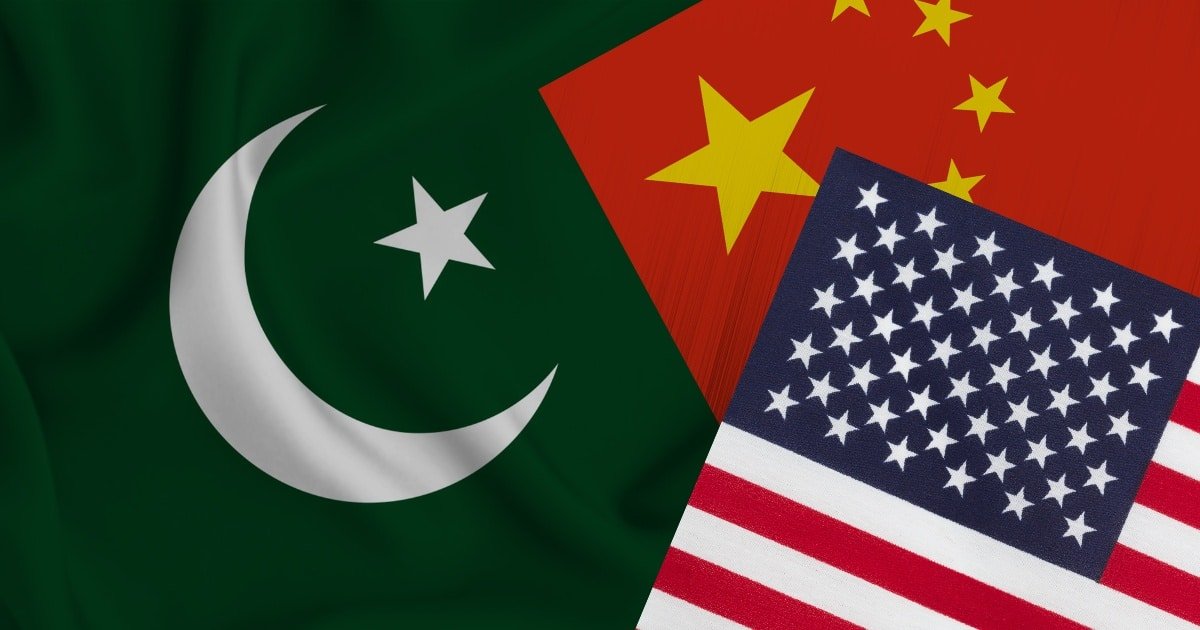

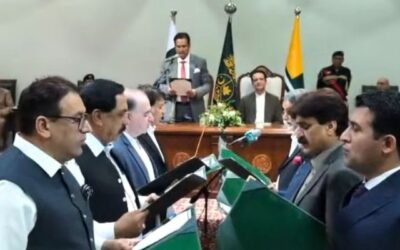


Amid rising great‑power competition between the United States and China, and the increasing significance of middle powers, Pakistan is recalibrating its foreign policy via what analysts describe as a strategic re‑orientation. At the center of this shift is a careful balancing act: reaffirming “iron‑clad” ties with China, deepening engagement with the U.S., and expanding relations with Russia.
Strategic Foundations: Hedging vs. Multipolar Alignment
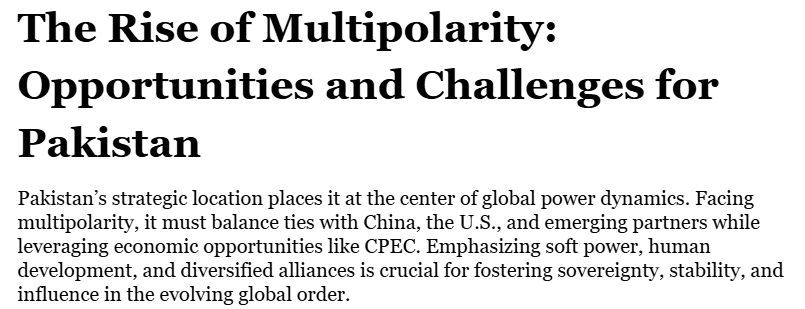
Pakistan’s approach reflects classic hedging logic from international relations theory: it simultaneously engages multiple great powers to avoid dependence and maximize strategic options. As academic analysis shows, Islamabad has sought to diversify its security and economic partnerships, leveraging CPEC’s infrastructure investments, expanding defense ties with Russia, and reviving U.S. engagements on counterterrorism and mineral development.
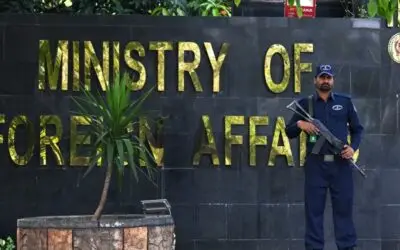
Source: Spine Times
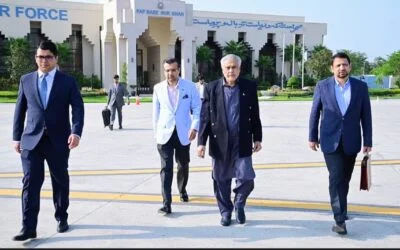
Field Marshal Syed Asim Munir, Pakistan’s Chief of Army Staff, has publicly articulated a vision of strategic neutrality, positioning Pakistan as a middle power that “eschews bloc politics and believes in maintaining balanced relationships with all friendly countries.” Nonetheless, full multipolar alignment, implying genuine non‑aligned autonomy, remains constrained by Islamabad’s continuing dependence on foreign aid, especially IMF and Western bailouts, and on Chinese investment and infrastructure.
The China Axis: Iron‑clad and All‑Weather
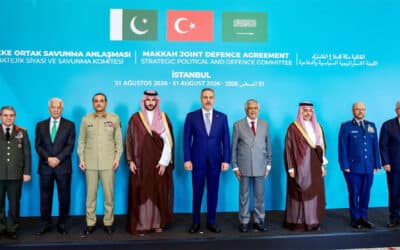
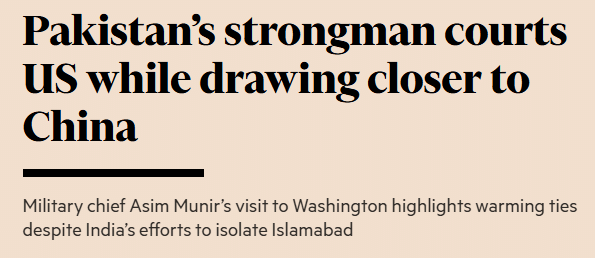
In July 2025, Field Marshal Syed Asim Munir undertook a high‑profile visit to Beijing, meeting Foreign Minister Wang Yi and senior PLA leadership, including Zhang Youxia. China reiterated its “iron‑clad friendship”, emphasized protection of Chinese nationals and projects, and pledged to support Pakistan’s counterterror and military modernization agenda.
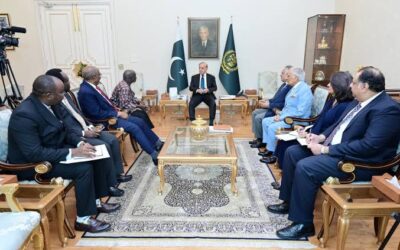
Source: FT
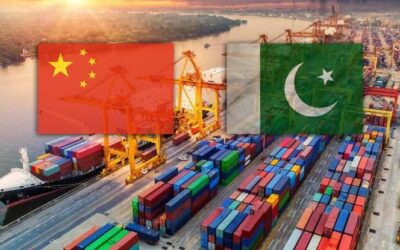
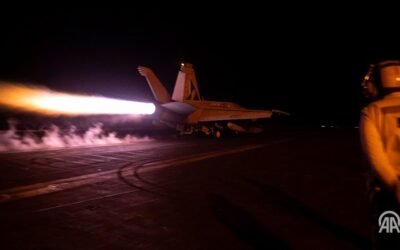
Military cooperation is deepening: Pakistan counts as China’s single largest arms buyer, sourcing over 80% of its defense imports from Beijing, including J‑10 fighters and proposed J‑35 stealth jets, technologies not matched by India’s domestic initiatives. CPEC remains the centerpiece of Sino‑Pak economic collaboration; although some infrastructure projects have slowed, Beijing continues to expand investment, recent estimates place its CPEC stake at $62 billion.
U.S. Re‑Engagement: Security, Minerals, Investment
Simultaneously, Pakistan has rekindled ties with Washington. Field Marshal Syed Asim Munir visited the U.S. in December 2023 and again in early 2025, where he met senior officials, including Secretary Marco Rubio and CENTCOM’s Michael Kurilla, focusing on defense partnerships, counterterrorism coordination, and economic outreach to U.S. investors via Pakistan’s Special Investment Facility Council (SIFC).
You May Like To Read: Trump Announces Tariff Deal, Boosting Pakistan’s Trade Prospects
Importantly, Washington is now framing Pakistan’s mineral wealth, especially rare earths and lithium in Gilgit‑Baltistan, as a strategic interest to counter Chinese dominance in critical supply chains. U.S. firms are exploring investment opportunities in these sectors, offering Pakistan an alternative to over‑reliance on China and enhancing its geo‑economic leverage.
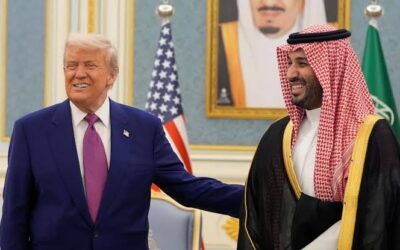
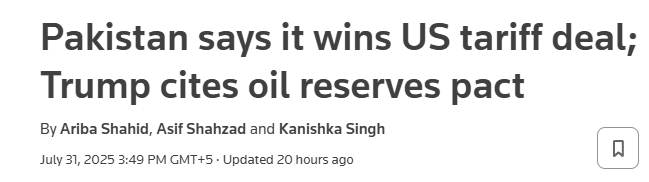
A major diplomatic indicator arrived on July 30, 2025; U.S. President Trump announced a joint oil‑reserve development deal with Pakistan, a possible signal of a deeper U.S. regional pivot via energy co‑operation following escalating tensions with India tied to trade and diplomatic friction.
Source: Reuters
Russia: Emerging Partner in the Eurasian Equation
Although historically distant, Pakistan–Russia relations have warmed steadily. Since Islamabad joined the Shanghai Cooperation Organisation in 2017, defense and economic cooperation have gradually expanded, including joint military drills, energy agreements (e.g. Pakistan Stream Gas Pipeline), and port access at Gwadar.
In particular, Russia’s discounted deliveries of crude oil and proposed pipeline infrastructure align with Pakistan’s energy needs, while Moscow gains a strategic foothold in South Asia amid its pivot to the Global South.
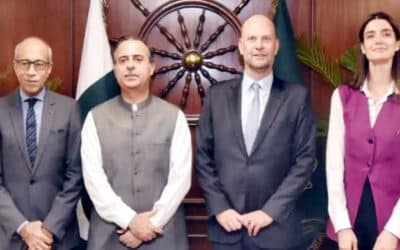
Source: The Diplomat
Risks and Opportunities for Pakistan as a Middle Power
Opportunities
- Diversification: By simultaneously engaging U.S., China, and Russia, Pakistan reduces strategic dependency and gains bargaining leverage.
- Economic leverage: CPEC investments and U.S. interest in mineral and energy sectors enable Islamabad to attract foreign capital and revive growth.
- Strategic relevance: Hosting and aligning with multiple great powers enhances Pakistan’s profile as a regional connector and gateway to Central Asia.
Risks
- Over‑dependence on aid: Until Pakistan reduces its reliance on foreign assistance, it cannot achieve true strategic autonomy, even as it projects multipolar alignment.
- Security entanglements: Enhanced defense cooperation with China or Russia risks antagonizing the U.S., especially under sanctions related to missile development; U.S. officials have raised alarms over Pakistan’s long‑range ballistic missile program capable of striking beyond South Asia.
- Geopolitical contradictions: As U.S.–China competition intensifies, Pakistan’s efforts to stay equidistant may strain over time. Beijing has made clear that Chinese concerns about security of its nationals and infrastructure must be prioritized; simultaneously, Washington demands loyalty in economic ventures, it’s a tightrope walk.
- Regional blowback: India views Pakistan’s strengthening ties with the U.S. and Russia with suspicion, complicating regional stability and possibly driving New Delhi deeper into U.S. embrace.
Hedging or Emerging Multipolarity?
Pakistan’s strategy aligns more closely with neo‑realist hedging than with full multipolar realignment. Hedging, defined as diversification of alignments to avoid over‑commitment to any single great power, captures Islamabad’s simultaneous courting of Beijing, Washington, and Moscow without clear ideological allegiance.
Notwithstanding rhetorical appeals to neutrality and middle‑power agency, genuine multipolar alignment would require Pakistan to minimize dependency on external patronage and build independent military and economic capacity. That remains aspirational.
You May Like To Read: Trump Announces Tariff Deal, Boosting Pakistan’s Trade Prospects
Pragmatism in a Fragmenting Order
Through a combination of economic diplomacy, defense outreach, and strategic rhetoric, Pakistan is positioning itself as a pragmatic middle power navigating a fragmenting global order. While it aspires to a multipolar posture, its current alignment is better understood as calculated hedging, maximizing options, managing risks, and seeking relevance amid U.S.–China rivalry.
How Islamabad consolidates these ties and whether it can reduce reliance on foreign aid and enhance internal governance will determine whether it transitions from tactical hedging to strategic autonomy, becoming a true actor in a multipolar world, or remains dependent on the ebbs and flows of great‑power competition.