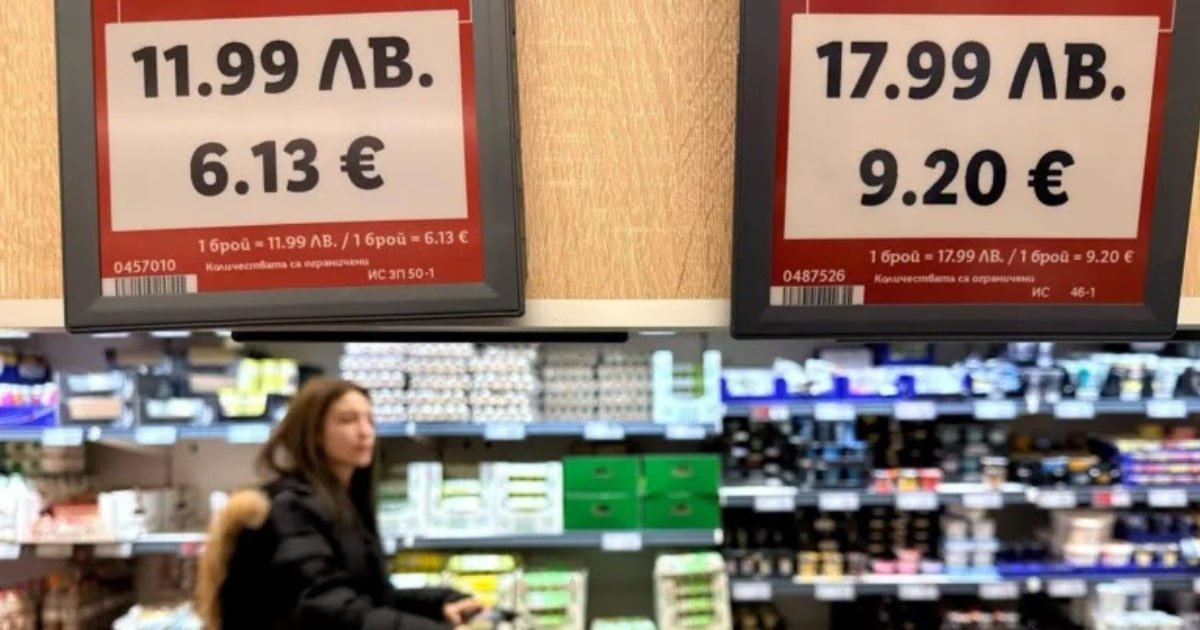




The Republic of Bulgaria has officially adopted the euro, becoming the 21st member of the eurozone. This milestone completes Bulgaria’s decades-long journey toward full European integration, leapfrogging other regional candidates and cementing its place in the European mainstream alongside its memberships in NATO, the EU, and the Schengen Area.
Bulgaria joined the eurozone, becoming its 21st member, as fireworks and crowds celebrated outside the central bank in Sofia https://t.co/XlWxaruYtb pic.twitter.com/sQNfBXhwF5
— Reuters (@Reuters) January 1, 2026
A Strategic Economic Leap
The transition from the Bulgarian lev (the “lion”) to the euro represents a final step in a process of fiscal alignment that began in 1997. While the lev has been pegged to European currencies for nearly three decades, the official adoption of the single currency is expected to eliminate transaction costs, streamline trade for the nation’s growing entrepreneurial sector, and simplify the lives of the 1.2 million Bulgarians living abroad who regularly send remittances home.
Prime Minister Rosen Zhelyazkov’s administration emphasizes that the move is more than a technical change; it is an optimistic leap designed to increase Bulgaria’s attractiveness to foreign investors and lower borrowing costs.
Today, Bulgaria becomes the 21st member of the 💶 euro area, adopting the euro as its official currency. 🎉
The euro makes it easier for Bulgarians to travel, work, and do business across the euro area.
👏 БЪЛГАРИЯ, ДОБРЕ ДОШЛА В ЕВРОЗОНАТА!👏#EUROinBulgaria pic.twitter.com/Vwxhxn59Dy
— EU Economy & Finance (@ecfin) January 1, 2026
A Nation Divided
Despite the strategic benefits, the transition comes during a period of significant political and social complexity. Public opinion remains divided among Bulgaria’s 6.5 million citizens:
- The Urban & Young: Entrepreneurs and professionals in hubs like Sofia generally welcome the change as a “technical formality” that reflects existing market realities, where high-value assets like real estate and automobiles are already priced in euros.
- The Rural & Conservative: Older populations in the provinces express concern over the loss of a national symbol that has served the country since 1881. Fears of inflation and the “imposition” of the currency without a referendum have fueled local resentment.
Transition Logistics
To ensure a smooth transition, the Bulgarian government has implemented a dual-circulation period:
- January 1 – January 31, 2026: Consumers may pay in both lev and euros. However, all change must be returned in euros.
- February 1, 2026: The euro becomes the sole legal tender in Bulgaria.
Political Context
The accession arrives amidst a turbulent political landscape. Following a lost confidence vote on December 11 sparked by budget protests, Bulgaria faces the prospect of its eighth election in four years. Government officials maintain that while political leadership may change, the commitment to the eurozone is a permanent structural improvement for the Bulgarian economy.
You May Like To Read: OGDCL Announces Major Oil and Gas Discovery in Khyber Pakhtunkhwa
Check out our latest video: